Xiaomi is all set to launch the Redmi Note 9 series in India on the March 12.
And if the rumours are true, the Chinese smartphone maker will shake things up a bit this year and will unveil three phones – the standard Redmi Note 9, Redmi Note 9 Pro, and a Redmi Note 9 Pro Max. Just a day prior to the launch, the Redmi Note 9 has allegedly been spotted on Geekbench. The upcoming phone’s visit on the benchmarking platform suggests a MediaTek processor at its heart, ticking alongside 6GB of RAM.
The alleged Redmi Note 9 Geekbench listing mentions the phone under the “Xiaomi Merlin” codename. The motherboard field on the benchmarking platform’s database mentions MT6769V/CZ, which many reports claim is the MediaTek Helio G70. The clock speed mentioned on the Geekbench database is 1.80GHz, but the Helio G70 listing on the official MediaTek website mentions the base clock speed at 1.70GHz, while the peak frequency is 2GHz. Interestingly, we also ran Geekbench on the Realme C3, which is powered by the same Helio G70 SoC, but the results mentioned the CPU build as MT6763. A similar disparity was spotted when system information was accessed via the AIDA64 app.
It would also be a bit surprising to see the Redmi Note 9 using the same chip as the entry-level Realme C3. Needless to say, do take the new leak with the proverbial pinch of salt. SoC dilemma aside, the alleged Redmi Note 9 Geekbench listing also indicated 6GB of RAM. However, other variants with 4GB or 8GB RAM might also be in the pipeline. Notably, the Geekbench listing hints that the Redmi Note 9 will run Android 10, most likely with the MIUI 10 custom skin on top. As per Xiaomi’s official teasers, the Redmi Note 9 will pack quad rear cameras and a larger battery compared to its predecessor. We’ll get to know more about the Redmi Note 9 series at the launch tomorrow.
Speculations about the launch of Note 9 Pro Max are rife. Here’s all we know about the phone
HIGHLIGHTS
A new model, named Redmi Note 9 Pro Max has appeared online.
Redmi Note 9 Pro may come in two variants in India – 4GB RAM with 64GB storage, and 6GB RAM with 128GB storage.
The phone is tipped to be made available in Aurora Blue, Glacier White, and Interstellar Black colour options
Redmi is all set to launch its next Note series on March 12. However, this time around, the company may announce three variants of the Redmi Note 9. A new model, named Redmi Note 9 Pro Max has appeared online. Going by the name, the purported Redmi Note 9 Pro Max could be a top-of-the-line offering with the most powerful hardware of the series. It may sport quad rear cameras and a big battery.
The latest development comes from popular tipster Ishan Agarwal, who took to Twitter to say that Xiaomi might use the #RedmiNote9ProMax hashtag to promote its upcoming phones. Interestingly, a report from 91Mobiles claims that Xiaomi won’t launch the Redmi Note 9 at its March 12 event, and might unveil it at a later date.
Brace yourselves for the biggest #Redmi product launch of 2020! 🤩#ProCamerasMaxPerformance is going to be nothing like you have ever seen before! A new #RedmiNote is coming on 12th March! 😎
While we are yet to come across any credible leaks regarding the design or specifications of the Pro Max model, it is said to be powered by the MediaTek Dimensity 800 chipset. Further, the Redmi Note 9 Pro is rumoured to use the Qualcomm Snapdragon 720G SoC.
Moreover, Xiaomi Vice President Manu Kumar Jain has teased that the company is, in fact, looking forward to launching three models of the Redmi Note 9. However, this is just a speculation and we suggest you take it with a pinch of salt.
According to previous leaks, the Redmi Note 9 Pro may come in two variants in India – 4GB RAM with 64GB storage, and 6GB RAM with 128GB storage. It is expected to feature expandable storage as well. The phone is tipped to be made available in Aurora Blue, Glacier White, and Interstellar Black colour options.
Previously, the Redmi Note 9 Pro has been spotted on Geekbench. It scored 569 in the single-core test and 1755 in the multi-core test.
As per the recent leaks doing rounds, Redmi Note 9 Pro is said to have a new MediaTek Dimensity 800 processor.
HIGHLIGHTS
Redmi Note 9, Redmi Note 9 Pro to launch in India on March 12.
Redmi Note 9 Pro is said to be powered by MediaTek Dimensity 800 SoC.
The Redmi Note 9 is said to rock the Snapdragon 720G processor.
Redmi Note 9 series will be officially announced on March 12 via an online event. The next-generation Note devices from Redmi will bring more advanced features than on their prequels. According to a new tip on Weibo, the Redmi Note 9 Pro will be the first smartphone to rock the MediaTek Dimensity 800 processor while the Redmi Note 9 is, separately, rumoured to be powered by a Snapdragon 720G processor. Additionally, a concept render of the Redmi Note 9 Pro has surfaced on the Internet that shows its entire look.
According to the tipster, the Redmi Note 9 Pro will be powered by the MediaTek’s Dimensity 800 processor that was launched recently. The processor is meant for mid-range phones, providing them with 5G network capabilities. This also begs the question of whether the Redmi Note 9 Pro will be a 5G phone. But if it does, the India variant of the Redmi Note 9 Pro may have different specifications, owing to the lack of 5G networks. The Dimensity 800-powered Redmi Note 9 Pro is likely meant for the China market.
There is no official word on what internals the Redmi Note 9 Pro will pack but it could be a serious competition to the likes of Realme 6 Pro in India. The Realme 6 Pro packs the Snapdragon 720G processor, which could also be featured on the Redmi Note 9 series.
As per a recent leak, the vanilla variant Redmi Note 9 will be powered by the Qualcomm Snapdragon 720G processor. It will come in two RAM and storage variants 4GB/64GB and 6GB/128GB. The colour options on the Redmi Note 9 have also been tipped Aurora Blue, Glacier White, and Interstellar Black.
Moreover, the Redmi Note 9 series is confirmed to feature the NavIC navigation system developed by ISRO. Back in February, Xiaomi had announced that it will be using NavIC on its Redmi phones that will be launched in March. However, to Xiaomi’s dismay, Realme launched the Realme X50 Pro 5G and Realme 6 Pro, both equipped with NavIC.
Separately, tipster Ben Geskin has shared what is claimed to be a concept render of the Redmi Note 9 Pro. By the looks of it, the Redmi Note 9 Pro will have a square-shaped camera island that will house four sensors. A dual-LED flash is given under the camera module. There is a punch-hole design on the Redmi Note 9 Pro with a single camera on the front. There are bezels on the smartphone as well. It is shiny blue in colour, which could be one of the variants for the Redmi Note 9 Pro.
At present, all LCD screen mobile phones only use physical fingerprint sensor on the back or the side. The Redmi R&D team has now overcome this problem with a new method and in-screen fingerprint on LCD screens is also ready for mass production, said the company.
The working principle of the screen fingerprint is simply to record the characteristics of the fingerprint and feed it back to the sensor below the screen to determine whether it coincides with the fingerprint that had already been registered.
However, because the fingerprint sensor is below the screen, there needs to be a channel to transmit optical or ultrasonic signals, which results in the current implementation only on OLED screens. LCD screens can’t feature this visible unlocking method because of the backlight module.
In the new and innovative method Redmi has used infrared high-transmittance material that greatly improves the transmittance of infrared light. The infrared transmitter at the bottom of the screen emits infrared light. After the fingerprint is reflected, it penetrates the screen and shines on the fingerprint sensor to complete the fingerprint verification, which solves the LCD Fingerprint problem.
The company has also demoed it on a Redmi Note 8 Pro prototype after replacing the screen with the new LCD screen that has an in-display fingerprint scanner. As you can see, the fingerprint recognition looks as fast as an OLED screen, however the fingerprint sensor is present closer to the bottom bezel of the screen. We will have to wait to see how this compares to the in-display fingerprint scanning on an OLED display.
Redmi K30 Pro Likely to Come With LCD Screen and In-Display Scanner
The timing of the announcement coincides with the launch of Redmi Note series in India. Xiaomi has announced the Redmi Note 9 and Redmi Note 9 Pro will be unveiled on March 12. It is speculated that Redmi might just bring this new technology in its Note series.
Also expected to feature this new technology is the global version of the Redmi K30 Pro. The current K30 Pro model available in China comes with LCD display and a side-mounted fingerprint sensor. It is expected to launch globally at the end of this month and we might possibly see the first LCD display fingerprint scanner featured in this phone.
As usual, these are mere speculations at the moment, and there hasn’t been any official confirmation from Redmi as to when we will actually see LCD phones with in-display fingerprint technology.
Apple may be working on expanding the health capabilities of its Apple Watch series by adding the ability to detect blood oxygen levels.
The feature was spotted in a code snippet of iOS 14, indicating that Apple is developing a new health notification based on the blood oxygen measurement.
For reference, a blood oxygen level of 95% to 100% is considered to be normal while below 95% is considered abnormal (also known as Hypoxemia). Low blood oxygen levels can lead to Hypoxia which can cause anaemia and in severe cases it can cause strokes and heart attacks.
Similar to the irregular heart beat notification on the Apple Watch with ECG reading capabilities, Apple is likely designing a new notification to warn the user when the blood oxygen levels drop below a threshold. It is unclear whether detecting blood oxygen levels would require extra hardware that may or may not be available with the current Watch Series 5. If the hardware is unavailable, we can expect the feature to come with the upcoming Watch Series 6 along with WatchOS 7 later in 2020.
While buying a new smartphone, the performance it provides is an important factor for a lot of consumers. Especially, in a spec-driven market like India, the SoC plays a major role in influencing one’s decision of buying a certain phone.
With the mid-range smartphone segment being competitive as ever, brands are fighting to provide the best possible chipsets for the price and the Snapdragon 730G was a favorite in this segment. This is due to the fact that apart from being a solid performer, the suffix “G” emphasizes the gaming capabilities which is a huge attraction to the youth given the rise of games like PUBG in the country.
The MediaTek Helio G90T on the Redmi Note 8 Pro and now on the Realme 6 is also popular for the same reason – supreme gaming performance on a budget. Recently, Qualcomm announced the Snapdragon 720G specifically catered towards the Indian market and while we initially considered this chip to slot right between the Snapdragon 730G and Snapdragon 712, going by the moniker, it turns out, the Snapdragon 720G actually performs even better than the 730G in some scenarios. The Snapdragon 730G is relatively old now and the 720G also has a slightly faster CPU which gives us this surprising result. Let’s delve in a little deeper and see how we arrived at this conclusion.
Snapdragon 720G vs MediaTek G90T
Let’s first address the slightly more controversial comparison between the Snapdragon 720G and the MediaTek G90T. The Redmi Note 8 Pro from just a few months ago came with the Helio G90T chipset which was indeed mighty powerful. The biggest highlight of the SoC was the fact that it could run PUBG on the smoothest graphics setting resulting in a 60fps frame rate. The newly launched Realme 6 also has the same capability.
However, the elder sibling, the Realme 6 Pro has the new Snapdragon 720G chipset which CANNOT play PUBG on the highest setting. The frame rate is capped at 40fps which naturally makes the general consumer believe that the G90T is more powerful than the 720G. This, however, is true only to a small extent.
Snapdragon 720G vs Helio G90T (Antutu)
When we benchmarked the two phones on Geekbench 5 as well as AnTuTu, the scores are clearly higher on the Snapdragon 720G, albeit not by a very high margin. Also, if you observe the split-up on AnTuTu, you can see that the G90T actually scores higher in terms of the GPU score whereas the 720G is ahead in terms of CPU points. This explains the fact that the G90T touting Redmi Note 8 Pro and Realme 6 can play PUBG on the highest setting whereas the 720G, or for that matter, even the 730G cannot.
What does this imply? In real-world usage, the Snapdragon 720G will perform slightly better than the G90T, although the difference isn’t enough to see an actual variation in terms of speed. Also, the Snapdragon 720G is more power efficient when compared to the Helio G90T which means you’ll get better battery life along with better thermals.
As much as the ‘+10’ in the nomenclature may suggest, the Snapdragon 720G achieves equivalent, or even better performance in some cases when compared to the Snapdragon 730G which was as surprising to us as it is to you. When the Snapdragon 720G was announced, we did a spec-based comparison where we concluded that the SD 720G would be providing equivalent performance to the SD 730G at a lower price. And in that same post, we highlighted the fact that the 720G has a slightly higher clock speed when compared to the 730G. And that certainly shows in the benchmark results as well.
Snapdragon 720G vs 730G (Antutu)
When we ran Geekbench 5 and AnTuTu on the Poco X2 which has the Snapdragon 730G and on the Realme 6 Pro which comes with the Snapdragon 720G, we found that the 720G scored slightly higher in terms of the single-core performance which makes sense given the higher clock speed. In multi-core performance, both chipsets produced an almost-equivalent score. Even on AnTuTu, the Realme 6 Pro scored higher in terms of CPU performance and contrary to our belief that the 730G would perform better in terms of GPU as it is overclocked by 15%, both chipsets have a similar score.
Snapdragon 720G vs 730G (Geekbench)
This should give you a better general overview of both chipsets rather than comparing them just based on specifications. Barring a few improvements in AI and connectivity and the inclusion of NavIC, both the Snapdragon 720G and Snapdragon 730G are identical and the fact that Snapdragon 720G is newer gives it an upper hand in terms of newer updates to the components and chips onboard. In day-to-day scenarios, you surely won’t be able to tell both chipsets apart be it with regular apps or gaming.
We hope we were able to clear the air around the confusion regarding the chipsets as to which one is more powerful and why brands are opting for these particular chipsets in the mid-range segment. With the new Redmi Note Pro and the rumored Max variant right around the corner, let’s see what chipsets Xiaomi opts for on those phones and how they compare to phones from Realme and other brands.
Major Tech Companies had lined up their events besides the major MWC 2020, for upcoming launches, however all of them have landed in soup due to recent havoc created by Corona Virus
Tech companies like Google, Microsoft, Facebook and others have cancelled their annual conferences and events due to the coronavirus disease outbreak. While most of the cancelled events were scheduled to take place in the US and Europe, tech events in India have also started to get cancelled.
Cyber-security professionals who couldn’t attend some of their favorite conferences before — primarily due to time, travel, or health reasons — may find that some events are now being streamed and they may be able to watch sessions from the comfort or their home or workspace.
The coronavirus disease (COVID-19). The outbreak has claimed over 3,000 lives globally while over 89,000 people have been diagnosed with COVID-19. The SARS-CoV-2 virus was first reported in December 2019 in Hubei, central China and has spread to over 60 countries. Here is the list of tech events that got cancelled due to the spread of coronavirus disease.
Some conferences have canceled, some have postponed the event, while others have gone virtual.
The list below encompasses a list of upcoming events and their respective status. Conferences not listed are scheduled to go on as planned. The list includes only cancellations, postponed conferences, or those who announced plans to stream their content.
FIRST CTI – March 9 to March 11, Zurich – Current status: Canceled. Wild West Hacking Fest – March 10 to March 13, San Diego – Current status: Virtual. Red Team Summit – March 11 to March 12, Menlo Park – Current status: Postponed to June 11-12. Women in Cybersecurity – March 12 to March 14, Aurora (Colorado) – Current status: Canceled. ICS West (trade show) – March 17 to March 20, Las Vegas – Current status: Postponed to July, new date to be announced. Cyber Security & Cloud Expo (trade show) – March 17 to March 18, London – Current status: Postponed, new date to be announced. Pwn2Own CanSecWest (hacking contest) – March 18 to March 20, Vancouver – Current status: Optional remote-participation. Hackers participating in the Pwn2Own hacker contest can attend, but they can also ask content organizers to execute exploits on their behalf. InfoSecurity Belgium – March 18 to March 19, Brussels – Current status: Postponed to May 27 – 28. InsomniHack – March 19 to March 20, Geneva – Current status: Postponed to June 4 – June 5. Fast Software Encryption – March 22 to March 26, Athens- Current status: Postponed. New date to be announced later. BSides Budapest – March 26, Budapest – Current status: Postponed to May 28. Black Hat Asia – March 31 to April 3, Singapore – Current status: Postponed for September 29 – October 2. BSidesCharm – April 4 to April 5, Baltimore – Current status: Proceeding on adjusted rules. Remote speakers will be given the option to use video conferencing and avoid traveling to the conference. BountyCon – April 4 to April 5, Singapore – Current status: Postponed to August 31. FIRST TC – April 6 to April 8, Amsterdam – Current status: Postponed to next year. GISEC – April 6 to April 8, Dubai – Current status: Postponed to September 1 – 3. Kaspersky’s Security Analyst Summit – April 6 to April 9, Barcelona – Current status: Postponed for September. Exact date to be announced later. DEF CON China – April 17 to April 19, Beijing – Current status: Postponed, new date to be announced. Mediterranehack – April 18, Salerno – Current status: Postponed, to September 5. Internet Freedom Festival – April 20 to April 24, Valencia – Current status: Canceled. Area41 – June 11 to June 12, Zurich – Current status: Postponed to June 2021, next year. BSides Liverpool – June 29, Liverpool – Current status: Postponed to later this year.
Conferences scheduled past May have not announced any changes to their schedule yet. Most are hoping the COVID-19 outbreak would subside and they can go as planned. ZDNet will update the list with new cancelation announcements as we draw near the scheduled dates.
Reliance Jio price hike request has increased the anxiety among the mobile subscribers in India. Afer Vodafone Idea expressed his willingness to raise its data and price by 7X, it’s Reliance Jio which has request authorities to allow the telco to raise its data price minimum 4X.
If Vodafone’s recent request was not enough to surprise you, Reliance Jio price hike request has will only make the situation worse for telecom customers in India – if that gets accepted by the authorities.
Recent changes in the Indian telecom industry have revealed that some of the biggest players in the sector have encountered losses that seem to be progressing with time.
Vodafone Idea, Airtel, and Reliance Jio have all sought for extensions on the payment of their adjusted gross revenue. Additionally, to make up for incurred losses, all companies have gradually been increasing the prices of their data plans. In light of this strategy, Vodafone Idea, and, now, Reliance Jio has submitted requests to the government to increase floor prices of mobile data.
Earlier this week, Vodafone Idea requested for the floor price of mobile data to be Rs. 35 per GB. This would be a steep hike as compared to its current prices that range from Rs. 3 – Rs. 4 per GB.
In a similar vein, Reliance Jio has solicited their own proposed floor price from the TRAI. The hike seems to be less dramatic than Vodafone’s demands, at Rs. 20 per GB.
Along with the hike, Jio also wishes for a uniform floor price, irrespective of one’s plan.
Jio’s strategy of increasing tariffs is a gradual one, where the company plans to introduce hikes every 6 – 9 months, so as not to shock its customers and ensure maximum retention possible.
In the coming months, mobile data will become considerably expensive compared to the past few years.
In December, the big 3 telecom operators increased the prices of their plans.
Airtel’s daily tariff increased from Rs. 0.50 to Rs. 2.22, thus making plans more expensive by Rs. 140 at least and Rs. 190 at most. However, Airtel gave its users the option to hold off on adopting the new plans for a 1 year period.
Vodafone Idea’s plans offer no such buffer period, possibly due to the company’s deep state of crisis, with losses amounting to Rs. 50,000 crore in the previous quarterly.
Both companies’ plans have increased by an estimated 50%, according to Business Insider.
On the other hand, Jio’s plans increased by 40% but offered a 3-fold increase in benefits.
The Indian Telecom industry has an approximate 1,151.44 million users. with 370 million users Reliance Jio dominates the Indian telecom industry in India. Both Reliance Jio and Vodafone Idea, together, account for little over 60% of the telecom subscriber base in India.
The industry was a duopoly until 2016, with Bharti Airtel and Vodafone Idea being the biggest competitors. However, the telecom sector’s landscape changed radically with the launch of Jio 4G in 2016.
Jio 4G offered free calling and generous data allowances at a very cheap price. Owing to this, the company acquired an enormous 16 million subscribers in its first operational month.
To keep up with the competition, Airtel and Vodafone responded by decreasing the prices of their data plans.
While this has led to the accumulation of severe losses over the years for the other two companies, Reliance Jio has fared better even in crisis, with the lowest AGR of Rs. 13, 000 crore.
However, previous acquisitions and having spent a long time in one of the world’s cheapest data markets are also contributors to the current crisis the former big 2 are in.
As of now, the situation looks dire for the Indian telecom industry. The government is now involved in monitoring and possibly alleviating the situation, but has not offered any relief measures yet. The request from Jio, after Vodafone, would only add up pressure on the authority to revisit their strategies and could end up making mobile subscribers in India paying at least 4X more.
Honda Motorcycle and Scooter India launched the BS6-compliant version of the Activa called the Activa 6G last month.
The changes on the new scooter, as compared to the outgoing BS4 Activa 5G are not just limited to BS6-compliance, but go a little deeper than that. Let’s compare the newest generation of the Activa scooter to its predecessor to see what improvements have been made to the country’s best selling scooter
The changes on the new scooter, as compared to the outgoing BS4 Activa 5G are not just limited to BS6-compliance, but go a little deeper than that. Let’s compare the newest generation of the Activa scooter to its predecessor to see what improvements have been made to the country’s best selling scooter.
In terms of size, the Honda Activa 6G has grown over the Activa 5G in length by 72 mm, has a 22 mm longer wheelbase, and a best-in-class ground clearance of 171 mm. The kerb weight of the BS6 scooter has been reduced by 2 kg as compared to its BS4 iteration, however, the outgoing Activa 5G is 13 mm wider and 2 mm taller than the new Activa 6G.
Let’s Take a look at the exact dimensions of the new BS6 Activa 6G, in comparison with the outgoing BS4 Activa 5G:
Dimensions
Honda Activa 6G
Honda Activa 5G
Length
1833 mm
1761 mm
Width
697 mm
710 mm
Height
1156 mm
1158 mm
Wheelbase
1260 mm
1238 mm
Ground Clearance
171 mm
153 mm
Kerb Weight
107 kg
109 kg
Features
Honda has equipped the Activa 6G with a telescopic front fork and a larger 12-inch front wheel as compared to Activa 5G’s 10-incher. The new scooter also gets a pass light switch and external fuel filler cap that can be opened via a switch near the keyhole. Apart from that, the updated Activa 6G gets the ‘Silent Start’ system, also seen on the bigger Activa 125.
On the flip side, the digital-analogue speedometer that came with the Activa 5G has been replaced by an analogue speedometer on the new Activa 6G.
Powering the Activa 6G is a BS6-compliant 109.51 cc single-cylinder motor which comes with a fuel-injection system, unlike the BS4 109.19 cc engine of the Activa 5G. Motor on the BS4-spec scooter which was a carbureted unit. However, the power output has gone down from 7.96 hp at 7500 rpm to 7.79 hp at 7500 rpm, while the torque is also decreased by 0.21 Nm from 9 Nm at 5500 rpm, to 8.79 Nm at 5250 rpm.
Design and Colours
In terms of design, a layman would likely not be able to differentiate the two scooters. The Activa 5G came with a split LED headlamp with an LED DRL placed on the top of the main headlamp, as a separate unit. However, the Activa 6G gets the DRL integrated into the LED headlamp. Aside from these changes and the badging of course, there’s not much that sets the two scooters apart in terms of styling.
Newlaunches
The new Activa 6G retains the Activa 5G’s Pearl Spartan Red, Dazzle Yellow Metallic, Black, Pearl Precious White, Matte Axis Grey Metallic paint schemes, while gets a new Glitter Blue Metallic paint scheme.
Honda offered the Activa 5G at a starting price of Rs 55,934 for the Standard variant, and Rs 57,799 for the Deluxe variant. However, the in order to make the scooter BS6-compliant, the price has been hiked between by Rs 7,978 for the Standard trim, and Rs 7,613 for the Deluxe variant, which now cost Rs 63,912 and Rs 65,412 (all prices, ex-showroom, Delhi) respectively.
Along with the Find X2 series, OPPO also introduced the company’s first smartwatch, the OPPO Watch in China.
The 46mm version has a 1.91-inch 3D flexible AMOLED 326 PPI Retina display with 100% P3 wide color gamut, has 50 meter water resistance and the company says that it has applied for 42 patents for it. The 41mm version has a 1.6-inch 301 PPI AMOLED screen. These have eSIM support for 4G and native calling, thanks to speakers and microphone, feature NFC support for payment and use Snapdragon 2500 & Apollo 3 dual processors.
In intelligent mode, 46mm model with 430mAh battery can be used for 40 hours on a single charge and in the long battery life mode, the battery life is up to 21 days. With Watch VOOC flash charge technology, the battery can be charged from 1% to 50% in 17 minutes.
OPPO Watch specifications
1.6-inch (320 x 360 pixels) (41mm) AMOLED screen / 1.91-inch (402 x 476 pixels) (46mm) curved AMOLED screen
Tracking indoor and outdoor running, outdoor walking, outdoor cycling, swimming ad more
ColorOS Watch, compatible with Android 6.0 and above
Water resistant (5ATM 46mm / 3ATM 41mm)
4G via eSIM, WiFi 802.11n 2.4GHz, Bluetooth 4.2 LE, built-in GPS, NFC for payments
300mAh (typical) / 289mAh (minimum) for 41mm with 20 hours of usage, 14 days in long battery mode
430mAh (typical) / 416mAh (minimum) for 46mm with 40 hours of usage, 21 days in long battery mode
The OPPO Watch 41mm version in elegant black, rose gold and fog silver colors is priced at 1499 yuan (US$ 216 / Rs. 15,930 approx.), 46mm aluminum alloy version in Black and rose gold is priced at 1999 yuan (US$ 288 / Rs. 21,325 approx.) and the 46mm stainless steel version that uses the stainless steel case and ceramic bottom, sapphire glass and with leather band imported from Italy is priced at 2499 yuan (US$ 360 / Rs. 26,660 approx.).
The Realme 6 series recently launched in India with the vanilla Realme 6 debuting as the successor to the Realme 5 Pro. Starting at Rs 12,999, the Realme 6 is shaping up to be a real game-changer in the under 15K smartphone market.
However, the Realme 6 series is not alone in this competitive smartphone market space as it will face competition from the Samsung Galaxy M31 and Xiaomi Redmi Note 8 Pro. So how does the latest addition to Realme’s smartphone portfolio fare against the competition; let’s find out.
Realme 6 vs Galaxy M31 vs Redmi Note 8 Pro
Specs
Galaxy M31
Realme 6
Redmi Note 8 Pro
Chipset
Exynos 9611
MediaTek G90T
MediaTek G90T
Display
6.4-inch FHD+ Super AMOLED (1080*2340 pixels), 411 ppi, 60Hz
6.5-inch FHD+ Super AMOLED (1080*2400 pixels), 405 ppi, 90Hz
The Realme 6 and Redmi Note 8 Pro feature a glass back and front along with an aluminium frame. Samsung, on the other hand, opts for a plastic frame for the Galaxy M31, which is light but feels cheap. The Realme 6’s new comet design coupled with its punch-hole notch looks better than the Redmi Note 8 Pro and Galaxy M31. However, design is always subjective, and preferences can vary.
In terms of display, Realme and Redmi have opted for an IPS LCD panel, while Samsung sticks to its Super AMOLED screen. While the Galaxy M31’s Super AMOLED screen is more colour accurate and vibrant than the competition, the Realme 6 does offer a 90Hz refresh rate, which is much smoother than the typical 60Hz. While the 90Hz screen might not make a difference now, it will be great when game designers begin to raise fps limitations. But as things stand, we’d prefer Samsung’s AMOLED panel as it has a clear advantage in saving battery, watching content and can be less strenuous on the eye.
Performance
While the MediaTek G90T on the Realme 6 and Redmi Note 8 Pro is one of the best mid-range chipsets for gaming, the Exynos 9611 on the M31 does leave a lot to be desired. All three phones will be able to run all games, but in the case of Redmi and Realme, we’re talking about being able to run all games on high settings. We’d also recommend opting for the 6GB+128GB Realme 6 variant, which is 1K more than the Redmi Note 8 Pro, making it the winner in terms of price-to-performance.
Camera
All three phones have a similar quad-camera setup on the back with a 64-megapixel primary sensor, an ultrawide lens, and two cameras for depth and macro mode. The front camera setup on all three devices is also pretty evenly matched, although Samsung has an edge in megapixel count. While we still have to put the Realme 6 through its paces, it is safe to assume that Samsung is going to have a clear advantage here as its camera software is way ahead of Realme and Xiaomi.
Software
Speaking of software, none of these three phones delivers the stock Android experience, but Samsung’s One UI is the closest. The new Realme UI isn’t technically bloatware-free but is a lot cleaner than previous ColorOS skins. The Redmi Note 8 Pro is still stuck on Android 9 Pie, while its MIUI skin is a little bloatware heavy. If you want the best software experience go with the Galaxy M31 and its One UI 2.0 skin over Android 10.
Battery
There’s very little difference between the battery capacity of the Realme 6 and Redmi Note 8 Pro. However, the Galaxy M31’s 6,000 mAh battery is significantly larger than its competition. But what Realme lack in size, it makes up for in fast charging, offering almost double the charging speed of the M31 and Note 8 Pro. While the Galaxy M31 will get you a day and a half of battery life, the Realme 6 offers twice the charging speed, capable of juicing your phone up to 100% in a little over 60 minutes.
Verdict
All three smartphones offer excellent value with their top tier mid-range specs. However, if we had to pick one, we’d go with the Realme 6. While the Galaxy M31 has the best camera and software; the Realme 6 is not far behind on both fronts and well ahead in terms of performance. Moreover, the Realme 6 also looks and feels like a premium offering. The Redmi Note 8 Pro does offer performance on par with the Realme 6 but falls short on most other fronts.
Along with the realme 6 series, the company also launched the realme Band its first fitness band in India, as it had promised.
The realme Band has a 0.96-inch LCD screen, comes with heart rate sensor, has 9 sports modes that includes run, walk, hiking, climbing, yoga, fitness, spinning, bike and cricket mode, and can store 3 modes in the band at a time. It will come with sleep tracking similar to most other bands, and feature built-in charging port.
90mAh battery, Built-in USB connector, 6 to 9 days (9 days without heart rate function enabled; 6 days with heart rate function enabled)
The Realme Band comes in Black, Green and Yellow colors, is priced at 1499 and available from 9th March on Amazon.in and hate to wait limited-time sale n Realme.com, March 5th from 2 to 4PM.
Realme today launched Realme 6 Pro, successor of last year’s realme 5 Pro in India, as it had promised.
The phone comes with a 6.6-inch Full HD+ LCD screen with 90Hz refresh rate and 120Hz touch sampling rate, and 90.60% screen-to-body ratio. It is the first phone to be powered by the latest Snapdragon 720G 8nm SoC.
The phone features a 64-megapixel primary rear camera with 1/1.7″ Samsung GW1 Sensor, an 8-megapixel 119° ultra-wide angle lens, 12-megapixel telephoto sensor for up to 20x zoom and a 2-megapixel sensor for 4cm macro shots. There is a 16-megapixel camera on the front along with an 8-megapixel 105° ultra-wide sensor.
It has a side-mounted fingerprint scanner that can unlock the phone in 0.29 seconds, gradient glass back with Corning Gorilla Glass 5 protection, comes with dedicated dual SIM and microSD card slots, and packs a 4300mAh battery with support for 30W VOOC Flash Charge that can charge the phone up to 68% in 30 minutes and 100% in an hour.
6GB LPPDDR4x RAM with 64GB (UFS 2.1) storage, 6GB / 8GB (LPPDDR4x) RAM with 128GB (UFS 2.1) storage, expandable memory up to 256GB with microSD
Dual SIM (nano + nano + microSD)
Android 10 with realme UI 1.0
64MP rear camera with 1/1.72″ Samsung GW1 sensor, 0.8μm pixel size, f/1.8 aperture, LED flash, EIS, 8MP 119° ultra-wide angle lens with f/2.3 aperture, 12MP telephoto sensor for up to 20x zoom and 2MP 4cm macro sensor with f/2.4 aperture
16MP front camera with f/2.1 aperture, Sony IMX1471, secondary 8MP 105° ultra-wide sensor with f/2.2 aperture
Side-mounted fingerprint sensor
3.5mm audio jack, Dolby Atmos, FM Radio
Dimensions: 163.9×75.8×9.4mm; Weight: 195g
Dual 4G VoLTE, WiFi 802.11 ac (2.4GHz + 5GHz), Bluetooth 5, Dual Frequency (L1 + L5) GPS, NavIC, USB Type-C
4300mAh (typical) / 4120mAh (minimum) battery with 30W VOOC Flash Charge fast charging
The realme 6 Pro comes in Lightning Blue and Lightning Orange colors, is priced at Rs. 16,999 for the 6GB RAM with 64GB storage, Rs. 17,999 for the 6GB RAM with 128GB storage and the top-end 8GB RAM with 128GB storage version costs Rs. 18,999.
It will be available from Flipkart, realme.com as well as offline stores starting Frome March 13th. Axis Bank Credit / Debit card and EMI users get flat Rs. 1000 discount on Flipkart.
Relame just launched realme 6, the company’s latest smartphone in India, as it had promised. This is a major upgrade compared to the realme 5
Realme 6 comes with a 6.5-inch Full HD+ LCD screen with 90Hz refresh rate and 120Hz touch sampling rate, and 90.5% screen-to-body ratio. The phone is powered by the latest MediaTek Helio G90T SoC.
The phone features a 64-megapixel primary rear camera with 1/1.7″ Samsung GW1 Sensor, an 8-megapixel 119° ultra-wide angle lens, 2-megapixel mono sensor and a 2-megapixel sensor for 4cm macro shots. There is a 16-megapixel camera on the front.
It has a side-mounted fingerprint scanner that can unlock the phone in 0.29 seconds, gradient polycarbonate back, comes with dedicated dual SIM and microSD card slots, and packs a 4300mAh battery with support for 30W VOOC Flash Charge that can charge the phone up to 68% in 30 minutes and 100% in an hour.
4GB LPPDDR4x RAM with 64GB (UFS 2.1) storage, 6GB / 8GB (LPPDDR4x) RAM with 128GB (UFS 2.1) storage, expandable memory up to 256GB with microSD
Dual SIM (nano + nano + microSD)
Android 10 with realme UI 1.0
64MP rear camera with 1/1.72″ Samsung GW1 sensor, 0.8μm pixel size, f/1.8 aperture, LED flash, EIS, 8MP 119° ultra-wide angle lens with f/2.3 aperture, 2MP mono sensor and 2MP 4cm macro sensor with f/2.4 aperture
16MP front camera with f/2.0 aperture
Side-mounted fingerprint sensor
3.5mm audio jack, Dolby Atmos, FM Radio
Dimensions: 162.1×74.8×8.9-9.6mm; Weight: 191g
Dual 4G VoLTE, WiFi 802.11 ac (2.4GHz + 5GHz), Bluetooth 5, GPS + GLONASS, USB Type-C
4300mAh (typical) / 4120mAh (minimum) battery with 30W VOOC Flash Charge fast charging
The realme 6 comes in Comet Blue and Comet White colors, is priced at Rs. 12999 for the 4GB RAM with 64GB storage, Rs. 14,999 for the 6GB RAM with 128GB storage and the top-end 8GB RAM with 128GB storage version costs Rs. 15,999.
It will be available from Flipkart, realme.com as well as offline stores starting from March 11th. Check out the unboxing and first impressions here.
As Xiaomi heads to launch next Redmi Note Series of its devices, have surfaced a few renders of Redmi Note 9 Pro with its front and rear camera design.
On March 12, Xiaomi will be launching the Redmi Note 9 smartphone in India. Since the Note series includes a vanilla version like Redmi Note 8 and a Pro model like the Redmi Note 8 Pro. The Note 9 series could feature two devices such as Redmi Note 9, and Redmi Note 9 Pro. Concept designer Benjamin Geskin has shared a concept model of the Redmi Note 9 Pro.
The landing page of the Redmi Note 9 on Xiaomi India’s website revealed that it is equipped with a Huawei Mate 20 like square-shaped camera setup. It could be housing four cameras. The concept render by Geskin shows the Redmi Note 9 Pro with quad cameras housed inside a square-shaped module. An LED flash unit is placed below the camera module.
The fingerprint scanner is not present on the backside of the Redmi Note 9 Pro concept model. It seems to be integrated with the power button on the right side of the phone. The frontside of the smartphone is fitted with a display that has a punch-hole at the top-left corner. Shown below is a live shot of the alleged by Redmi Note 9 Pro from 9TechEleven. While it appears real, the image clearly mentions that it is an image of the Redmi Note 9 Pro concept.
Xiaomi is yet to reveal any information on the Redmi Note 9 series. The company is expected to tease on its specs and features ahead of the launch. The rumor mill claims that the Redmi Note 9 / Pro smartphone will be driven by the upcoming 5G-ready mid-range SoC from Qualcomm that is said to have a model number of SM6250. The SoC is expected to arrive with support for NSA and SA dual-mode 5G connectivity.
The Redmi launch will be live streamed starting 12pm (noon) IST on Mar 12 through the Mi.com website as well as Redmi and Xiaomi social media channels.
Xiaomi has reveled that the Redmi Note 9 will offer exhilarating fast charging experience. A charger that has a model number of MDY-11-EM with support for up to 22.5W quick charging has appeared on 3C. It could be for the Redmi Note 9 series.
Last week both Realme and Redmi announced their events in India to launch the realme 6 series and Redmi 9 series smartphones on March 5th & 12 respectiVely.
Yesterday Realme decided to cancel the event due to coronavirus concerns in the country. The company will still offer live stream of the event, in which the CEO Madhav Seth will give live speech at the Indira Gandhi Stadium in New Delhi.
The company sold launch event tickets at Rs. 599 starting from February 28th and said that it will include goodies worth Rs. 2500 and complimentary snacks, in addition to entry for the event. realme CEO said that it will offer full refund for the tickets and will also offer a free realme Band for those who bought the tickets.
Providing full refund of ticket value. I know how excited you were for #realme6series launch, so as a special gesture will be giving a #realmeBand to every single person who booked a ticket. Details will be sent via mail.
In light of current reports of #coronavirus impact & related advisory by health officials to maintain social distance as a precautionary measure, I'm calling off our biggest event. Will still give live speech in stadium with you watching #realme6series event online. #HealthFirst
Redmi has also announced that it will not host any on-ground product launch events in March due to safety concerns, so the Redmi Note 9 series launch has been cancelled, and it will have online-only event on March 12th.
The Redmi launch will be live streamed starting 12pm (noon) IST on Mar 12 through the Mi.com website as well as Redmi and Xiaomi social media channels. You can certainly stay tuned to us to see what’s new Redmi has for the Indian market.
Now WhatsApp has announced the roll out of dark mode for all the Android and iOS users. This lets users choose from light or dark theme. The dark theme is more like dark gray unlike pure black available in some apps. Chats appear with dark background, and your messages are shown in green bubbles.
WhatsApp said that when designing dark mode it spent time researching and experimenting with a focus on two particular areas:
Readability: When choosing colors, we wanted to minimize eye fatigue and use colors that are closer to the system defaults on iPhone and Android respectively.
Information Hierarchy: We wanted to help users easily focus their attention on each screen. We did this by using color and other design elements to make sure the most important information stands out.
Users on Android 10 and iOS 13 can use dark mode by enabling it in system settings. Users on Android 9 and below can go into WhatsApp Settings > Chats > Theme > select ‘Dark’.
The WhatsApp for iOS v2.20.303 update also brings new search options that allow you to filter by author and content type. You can download WhatsApp v2.20.65 for Android from the official website, if it is not available for you on Google Play update yet.
the Chinese manufacturer is showing it off in its full glory, ahead of the March 6 launch event.
OPPO’s upcoming smartwatch, dubbed OPPO Watch Series, showed up in reports last month, but now the Chinese manufacturer is showing it off in its full glory, ahead of the March 6 launch event.
If you are initially tempted to confuse it with the Apple Watch, we won’t blame you, as it strikes a major resemblance with Apple’s wearable.
While little is known about the watch, aside its looks and the fact that it will run most likely Wear OS, we can tell from the images used by OPPO that it will have the ability to take phone calls. Whether that’s on its own, or while tethered to a phone is yet unknown, though we’re inclined towards the latter.
Apple’s digital crown on the Apple Watch is replaced with a secondary, larger button, pretty much in line with other Wear OS devices, and the bands themselves look different from Apple’s.
OPPO just launched Enco Free, the company’s latest true wireless earphones in India along with the Reno 3 Pro, as expected
It has 13.4mm drivers that promises dynamic bass, Bluetooth 5.0 support and has IPX4 ratings for protection against sweat and splashes. OPPO says that it is the world’s first true wireless headset that uses ultra dynamic speakers with dual magnetic circuit design used in high-end audio devices and is also the industry’s first to use aluminum-magnesium-titanium composite diaphragm, which makes treble clear.
The OPPO Enco Free comes in Black and White colors, is priced at Rs. 7990 and will go on sale in India from Amazon.in as well as offline starting from The OPPO Enco Free comes in Black and White colors, is priced at Rs. 7990 and will go on sale in India from Amazon.in as well as offline starting from March 4th.
It has low-latency if as low as 120ms, has dual microphones with beaming forming tech and AI for better call quality with AI noise reduction and has touch controls for volume and music control. You can choose between three different tips to perfectly fit your ears. The headset has wearing detection sensor that automatically pauses the audio when the headset is removed and it automatically connects with the phone when you open the case. It promises up to 25 hours of battery life with the case and 5 hours standalone and has USB Type-C charging.
Bluetooth 5.0 to connect to Android and iOS devices
13.4mm driver
Touch controls for volume, call control, track change
Dual microphones for AI call noise reduction, voice control
Infrared sensor for intelligent wear detection so it automatically pauses when you remove them
120ms low-latency
Water resistant (IPX4)
Weight: 4.6g for each headset; 48.2 g for the case
31mAh battery offers 5 hours of standalone music playback / 3 hours calling (50% volume), 25 hours with the 410mAh battery case, USB Type-C charging for the case to charge in 110 minutes, 70 minutes to charge the earbuds
The OPPO Enco Free comes in Black and White colors, is priced at Rs. 7990 and will go on sale in India from Amazon.in as well as offline starting from March 4th.
OPPO also introduced the Enco W31 wireless earbuds in India priced at Rs. 4499, and said that it will be available soon.
As the Indian government re-imposed 10% service welfare cess over and above existing 20% basic customs duty in India, Apple has increased the price of its iPhones
As the Indian government re-imposed 10% service welfare cess over and above existing 20% basic customs duty in India, Apple has increased the price of its iPhones, including its iPhone 8, iPhone 8 Plus, iPhone 11 Pro and 11 Pro Max smartphones in the country. The government last month increased the import duty on PCBA from 10% to 20%, chargers from 15% to 20% and mobile phone components such as display panel, touch panel, microphone and receiver from 0 to 10%.
The iPhone 7 and the iPhone XR currently assembled in India don’t see a price hike. The iPhone 11 and iPad have also seen an exception. Other models such get up to 1.3% hike. The high-end iPhone 11 Pro Max 512GB version now costs Rs. 1,43,200, compared to launch price of Rs. 1,41,900. To remind you, the older iPhone models received a price cut in India after the launch of new iPhone 11 series in September last year.
Even though Apple sets a standard MRP, some third-party retailers sell the smartphones at cheaper rates. So you can get it online at cheaper even after this price hike. Check out the change in price below.
The rivalry in India’s budget smartphone market is about to get even cut-throat. After announcement of Realme 6 Series,Redmi NOTE 9 is to Debut With Quad Rear Cameras, a square-shaped camera.
HIGHLIGHTS
Redmi Note 9 series has been teased online
It is likely to include Redmi Note 9 and Redmi Note 9 Pro phones
Redmi Note 9 series is expected to have 5G support
As we await the launch of the Realme 6 series later this week, its arch-nemesis Xiaomi is now ready to launch the next Redmi Note smartphone. Redmi Note 9 series will succeed the uber-popular Redmi Note 8 Pro.
Xiaomi has set up an official landing page for the upcoming Redmi Note 9 series and it gives you a sneak peek at the aqua-colored 3D glass back panel. The company is coyly giving us a look at the front as well but the image isn’t as clear as you might expect. It appears like the device may include a notch-less or a dual punch-hole display.
As for the internals, you can expect the recently launched Snapdragon 720G to power the Redmi Note 9. However, we suggest you take this with a pinch of salt and wait for an official word from the Chinese giant. The camera system should be led by a 64MP sensor, same as the Redmi Note 8 Pro, so that’s great. You will find a USB Type-C port, a 3.5mm headphone jack, and speaker grill at the bottom,
In an official tweet, Xiaomi India MD Manu Kumar Jain confirmed that the Redmi Note 9 series is set to arrive on March 12, merely a week after Realme 6 and 6 Pro. The tweet further reads, “Brace yourselves because #ProCamerasMaxPerformance is going to be nothing like you’ve ever seen before!” And you can notice in the teaser image that the Redmi Note 9 will boast a square quad-camera setup.
Brace yourselves for the biggest #Redmi product launch of 2020! 🤩#ProCamerasMaxPerformance is going to be nothing like you have ever seen before! A new #RedmiNote is coming on 12th March! 😎
If we look at the teaser image released by the Redmi India Twitter account on Monday, the Redmi Note 9 series will come with a quad rear camera setup. The phones appear to have a square-shaped camera setup — similar to what we saw on the Huawei Mate 20 Pro and Nova 5i Pro. Some users are also relating the setup appears in the teaser image with the camera module available on the iPhone 11 Pro models, though the latter have triple cameras over a quad camera setup.
Alongside the camera setup, the teaser image suggests a faster refresh rate on the new Redmi Note-series phones. You can safely expect a 90Hz display.
The new series should include the Redmi Note 9 and Redmi Note 9 Pro — the successors to the Redmi Note 8 and Redmi 8 Pro, respectively. The last-generation Redmi Note phones were launched in India in October. Since Xiaomi’s Redmi Note series is popular for its affordability, the Redmi Note 9 and Redmi Note 9 Pro both are expected to come under the price bracket of Rs. 20,000 and offer a list of compelling features.
Xiaomi has also created a video that has been released through the Redmi India YouTube channel. The video gives a glimpse at the history of the Redmi Note series in India and highlights that its legacy would continue with the new phones.
In November 2014, the Redmi Note 4G was launched as the first 4G Android phone under Rs. 10,000 price range. We can expect that the new Redmi Note phones would come with 5G support at a price significantly affordable than the Realme X50 Pro 5G and iQoo 3 that both are the initial 5G phones in the country.
Xiaomi India Managing Director Manu Kumar Jain in January announced its partnership with Qualcomm to launch one of the first Snapdragon 720G phones in the country. That phone might just be one of the Redmi Note 9 models.
Well, speculations aside, you should stay tuned to us to catch all the latest details with respect to what Xiaomi has for the Indian market.
Oppo Reno 3 Pro is set to make its way to India on March 2, and the model launched in India will be quite different from the model launched in China last year. Called the global variant of the Oppo Reno 3 Pro, the company is detailing information about the smartphone in bits and pieces. Its dedicated promotional page for the upcoming phone has been updated to reveal camera specifications and features. Even new colour options have been teased in fresh promotional material on the page. The Oppo Reno 3 Pro is teased to sport a dual selfie hole-punch display with a 44-megapixel main selfie camera on board. The phone also has a quad rear camera setup at the back.
The promotional page for the Oppo Reno 3 Pro in India now has more details of the phone ahead of launch. The second selfie camera is listed to sport a 2-megapixel depth of field sensor alongside the 44-megapixel ultra-clear sensor. Front camera features will include ‘Dual Lens Bokeh ‘ that claims to achieve binocular bokeh effect with sharper edges and background gradients. The Oppo Reno 3 Pro is also listed to offer ‘Ultra Night Selfie Mode’ that essentially takes multiple shots to create an ideal image.
The quad camera setup at the back is listed to sport a 64-megapixel main camera, a 13-megapixel telephoto lens, an 8-megapixel ultra-wide-angle camera, and a 2-megapixel monochrome lens. The Oppo Reno 3 is also listed to come to India in Aurora Blue, Midnight Black, and Sky White colour options at launch. Other specifications are not known at the moment, but the renders shared on the page suggest volume buttons on the left edge, and the power button on the right. There is no rear fingerprint sensor in sight, hinting at an in-display sensor.
Apart from this, the company has also confirmed that the Oppo Reno 3 Pro is backed by a 4,025 mAh battery which comes with 30W VOOC fast charging support. Oppo claims that the new VOOC Flash charge 4.0 provides consumers to charge 50% of the battery in flat 20 minutes for an uninterrupted entertainment experience.
The Oppo Reno 3 Pro is said to come in three colour options — Auroral Blue, Midnight Black, and Sky White.
The company has also said that the customers can avail 10% cashback on the purchase of Oppo Reno 3 Pro. The cashback is applicable on HDFC bank debit and credit card, ICICI Bank debit and credit card, RBL Bank and Yes Bank credit card.
You also get one FREE (Green) Oppo Bluetooth speaker.
The customers can now pre-book the smartphone in Flipkart, Amazon and authorised offline stores in the country.
To recall, the Oppo Reno 3 5G phone was launched in China last December, and the phone was introduced with a single hole-punch display. The Indian or global variant, on the other hand, will be 4G-only and it is confirmed to sport a dual selfie hole-punch camera setup. The main rear camera setup has also been bumped to 64-megapixel, whereas the China variant has a 48-megapixel main sensor.
According to a tweet shared by OnePlus UK, this is not a smartphone or even a commercial product and the company may be gearing up to reveal another concept project to the world.
Updated News – 4:00 pm: A 5G-connected, snowball firing robot called Snowbot has been launched.
We've created 5G-connected, snowball-firing robots (they fire at 120+ mph; we're not messing around).
We're calling them Snowbots. And you can control them from your phone to shoot Snowbots controlled by other OnePlus fans, from March 9. Get ready. #OnePlus5GSnowbots
Earlier: Chinese smartphone maker OnePlus has posted a short video clip on Twitter to tease a new device that will be revealed on March 3.
According to a tweet shared by OnePlus UK, this is not a smartphone or even a commercial product and the company may be gearing up to reveal another concept project to the world.
“We are working on a special project (not a phone/commercial product!) and we’d love your thoughts on it. Reply to this tweet with if you are happy to give feedback, and we will DM a small number of you some photos,” the tweet reads.
Additionally, OnePlus is also expected to launch the OnePlus 8 and the OnePlus 8 Pro in the coming months.
Putting together all the rumours and speculations of the upcoming OnePlus 8 series, the likely specs sheet could include an obvious Qualcomm Snapdragon 865 chip and Android 10 bits.
Recently, a OnePlus 8 Pro prototype has been spotted in the wild hinting at dual punch-hole display and a curved display like the OnePlus 7 Pro.
The back panel of the device shows off the quad-camera setup with three lenses along with an LED flash arranged in a vertical strip and a fourth camera placed alongside it.
Realme will be launching the Realme 6 and the Realme 6 Pro on March 5 at an event in New Delhi.
Realme announced a few days back that it will be launching the new Realme 6 series in India on March 5. Days ahead of the launch, alleged pricing of the Realme 6 and the Realme 6 Pro have leaked. It is expected that the new Realme 6 Series will be coming on Flipkart introduced at a starting price of Rs 9,999. With that, the company has teased some of the expected features including a quad-camera setup, punch-hole displays with 90Hz refresh rate.
Unconfirmed sources claim that the Realme 6 will be priced at Rs 9,999 while the Realme 6 Pro could launch at Rs 13,999. Now this is similar to the Realme 5 series that was launched last year, so do take this with a grain of salt.
As per the previous rumours and teasers, the Realme 6 Pro is expected to feature a 90Hz FHD+ screen and it may come with 30W flash charge tech. Also rumoured are quad camera setup that includes 64MP rear sensors. The device is said to be powered by Qualcomm Snapdragon 720G SoC. As for Realme 6, the smartphone is also expected feature a 90Hz screen with multi-cam support at the back.
Realme has also announced a blind order sale along with offers for the Realme 6 and Realme 6 Pro. By paying Rs 1,000 before March 4, customers can pre-book the device and pay the remaining amount before the first sale which is scheduled for March 15. If you pro-book the Realme 6, customers can get the Realme Buds 2 earphones. Realme 6 Pro buyers get a discount coupon of Rs 1,000 for the Realme Buds Wireless earphones.
Dre Twenti paid £1,200 for a MacBook Pro and three iPhone 11s, but ended up with lemonade.
Highlights
A UK student was conned into paying £1,200 for 2 bottles of lemonade.
He actually thought he was getting a Macbook Pro and three iPhones.
The trickster even had receipts showing “proof” of purchase, before switching the bags at the last second.
A UK student who thought he was buying a MacBook Pro and three iPhones was actually tricked into spending £1,200 i.e approx. $1500 on two bottles of lemondae.
According to Express and Star: Dre Twenti, from Tipton in the Midlands, says he and his girlfriend were approached by a stranger in the street, who asked him if he’d like to buy a laptop.
He says:
“I was asked if I’d like to buy a laptop which I thought was dodgy but still went and had a peek, it was a Apple Mac Pro.
“He also had few other items so I asked to take a look – three iPhone 11s.
“He showed me all the receipts which were brought from Liverpool Apple store, now I just had to withdraw the money.
Twenti paid about £700 cash and made up the rest in purchases from a local sports outlet. He continues:
“Got back to his car and we were greeted by an accomplice. He told me to check the items again which I did.
“So I proceeded to count the money as he passed the bag to my partner supposedly carrying the items.
When he got home, Twenti opened his back to find two bottles of lemonade and some cardboard. Devastated, he took to Facebook to share how he had been scammed:
I’ll honestly put my hands up and say it was a lesson learnt but an expensive one, they must of switched bags.
“This was done professionally. He seemed genuine. So don’t be fooled. Because I was. But that will only ever happen to me once.”
So there you have it. If you’re in the hunt for a new device from Apple, probably best not to buy it from a stranger in the street. And remember, if it sounds too good to be true, it probably is.
Antutu releases the list of the global Top 10 best performing Android phones for January based on the data collected from Antutu database.
It has been over a month since the beginning of 2020. Time passes more quickly than we have imaged. Athough some new 5G smartphones have been released during the past month, there are not so many sales of the new phones and the benchmark data of them are insufficient. Therefore, the first list of the global top 10 best performing Android phones are still dominated by 4G flagship processors, and there are no major changes in the ranking of this month.
Who was be the king of performance most recently? Let’s take a look at the rankings below.
As usual, we have included separate lists for flagship phones and mid-range phones. The rankings of the smartphones are more likely to depend on the SoCs powering them.
The data are collected between January 1, 2020 to January 31, 2020. The list consists of Android devices that have at least 1,000 units running Antutu benchmark V8, and the scores are averaged across all devices, making the results more representative.
1. Flagship Phones
In January, the powerful gaming phone Asus ROG Phone 2 with 12GB of RAM and 512GB of storage topped the list once again with an average Antutu score of 507,051 points. This is the fourth consecutive month for the phone to occupy the top position on the list. As the phone is released in September 2019, that means it has been ranking the first on the list since its release. That makes the powerful performance of the phone more impressive.
Coming second is One Plus 7T 8GB+256GB variant, which achieves an average Antutu score of 493,154 points. This is also the fouth consecutive month for a OnePlus device to occupy the second position on the list with very small changes in score. realme X2 Pro claimed one position to reach third place with an average Antutu score of 483,651 points, 10967 points higher than the fourth ranked OnePlus 7 Pro, which is a relatively large score gap.
The fifth position also goes to OnePlus, namely the OnePlus 7 8GB+256GB variant, with an average Antutu score of 467,834 points, which is also pretty good performance with only 4850-point score gap compared to OnePlus 7 Pro.
Making up the rest of this month’s Top 10 flagship phone list are, in order, Samsung Note10+ (SDM855) 12GB+256GB variant (avg. sore: 467,180), Redmi K20 Pro Premium Edition 12GB+512GB variant (avg. sore: 462,955), Samsung Note10+ (9825) 12GB+256GB variant (avg. sore: 454,500), Samsung Note10 (9825) 8GB+256GB variant (avg. sore: 449,922) and Mi 9 6GB+128GB variant (avg. sore: 447,988).
Above is the top 10 flagship phone list for January 2020. In general, there are no big changes in the ranking of this month compared to last month. With a series of new smartphones powered by Snpadragon 865 coming to the market soon, we expect there will be some changes in the ranking list of next month. Let’s stay tuned.
2. Mid-range Phones
The first place for mid-range phones is occupied by Redmi Note 8 Pro 6GB+128GB variant once again, which achieves an average Antutu score of 290,239 points. It is not the first time for the phone to appear on the top position of the mid-range phone list. Although Samsung and Qualcomm have already released their new mid-range SoCs and the smartphones powered by these SoCs are already available on the market, there are yet few scores of the new phones that can be found in Antutu database which may be due to insufficient sales, and therefore no new phones can be found on the mid-range phone list of this month.
Coming second is Mi Note 10 6GB+128GB variant, which achieves an average Antutu score of 264,898 points. The biggest selling point of the phone is that it is the first smartphone in the world to ship with a 100 million-pixel camera. It comes with Snapdragon 730G SoC. Although it is top performer in terms of camera, the performance ranking depends largely on the processor, therefore it can only rank second on the list.
The third place is also occupied by smartphone from Xiaomi -the Mi 9T 6GB+128GB variant which scored 260,382 points. The Chinese smartphone maker Xiaomi swept the top three positions of the list this time.
Other devices that have made it to the list of the Top 10 best performing mid-range phones are, in order, Samsung A80 8GB+128GB variant (avg. score: 250884), realme XT 8GB+128GB variant (avg. score: 224,011), Mi 9 SE 6GB+ 64GB variant (avg. score: 223,441), realme Q 8GB+128GB variant (avg. score: 222,718), Mi 9 Lite 6GB+128GB variant (avg. score: 215,624), Redmi Note 7 Pro 6GB+128GB variant (avg. score: 215,060) and Vsmart Live 6GB+64GB variant (avg. score: 214421).
As the first performance ranking list in 2020, smartphones on the list are still the familiar ones in 2019 and there is nothing new. However, with smartphones powered by the new 5G SoC going on sale, we can expect some changes in the ranking list of next month. Hopefully, SoCs like Snapdragon 865/765G/765, MediaTek Dimensity 1000/1000L/800 and Samsung Exynos 980 will add vitality to the list and are expected to occupy the top positions of the list for a long time.
This page puts together the Basemark benchmark scores for all the devices tested so far.
While acknowledging that there are many other excellent benchmarking tools out there, we’ve settled on using Basemark due to the tool’s wide platform support.
Basemark OS II is a compound, all-in -one benchmarking tool for measuring the overall performance of smartphones and tablets on Android, iOS and Windows phone 8.
Similarly, Basemark X is a cross-platform benchmarking tool, which is meant for evaluation and comparison of gaming and graphics performance for the same groups of mobile devices.
The Samsung Galaxy M series has gained a lot of popularity thanks to affordable prices and up-to-date hardware.
Samsung has managed to lower prices by selling these models online, reducing distribution costs. The sub-Rs. 15,000 Samsung Galaxy M30 set the pace, and a refreshed version, the Galaxy M30s, really helped the company strengthen its position in this segment. Samsung has now launched a successor to the Galaxy M30s, called the Galaxy M31. You now get a quad-camera setup, an upgrade from the triple camera setup on the M30s. However, the processor and the battery capacity remain unchanged. Will this be enough to keep the Galaxy M series competitive in the market? We review the Galaxy M31 to find out.
Samsung Galaxy M31 design
At first glance, it is hard to distinguish between the Samsung Galaxy M30s (Review) and the Galaxy M31 from the front. Both smartphones sport big 6.4-inch displays with waterdrop notches, which Samsung calls Infinity U displays, The bezels aren’t thin, but are acceptable for the price. Just like with other M series smartphones, Samsung has used plastic in the construction of the Galaxy M31. The earpiece is sleek and sits right above the display in the frame of the smartphone.
Pick the Galaxy M31 up and it feels comfortable to hold in the hand. The sides are slightly curved which helps with grip. Samsung has positioned the power and volume buttons on the right of the device. The power button is easy to reach but the volume buttons could have been positioned better. On the left is the SIM tray which did not sit perfectly flush on our review unit. The Galaxy M31 has a 3.5mm headphone jack, primary microphone, USB Type-C port, and speaker at the bottom. The top only has the secondary microphone.
When you look at the back of the Galaxy M31, you’ll see some changes. The camera module is similar to that of the Galaxy M30s but it now packs a fourth camera. Next to this is the fingerprint scanner which was comfortable for us to reach while holding the smartphone.
The Galaxy M31 sports a 6.4-inch AMOLED display.
The Galaxy M31 packs in a big 6,000mAh battery and weighs 191g makes the device feel a little heavy. Samsung has thankfully bundled a 15W charger in the box which should help keep charging times down. The company offers the Galaxy M31 in two colours, Ocean Blue and Space Black. We had the Space Black variant for review, and it picked up fingerprints and smudges very easily. There is no case in the box, so you may want to buy one.
Samsung Galaxy M31 specifications and features
The spec sheet of the Galaxy M31 looks similar to that of the Galaxy M30s. It sports a 6.4-inch AMOLED display with full-HD+ resolution. It also has Corning Gorilla Glass 3 for protection which should keep it from picking up scratches too easily. The display has good viewing angles and is legible when outdoors. There are two colour profiles to choose from, and you can also change the white balance.
Samsung has retained the Exynos 9611 SoC from the Galaxy M30s. This is an octa-core processor with four performance ARM Cortex-A73 cores clocked at 2.3GHz and four efficiency Cortex-A53 cores clocked at 1.7GHz. For graphics, it has the Mali-G72 GPU. You get 6GB of RAM and a choice between between a 64GB storage variant and a 128GB storage variant for Rs. 15,999 or Rs. 16,999 respectively. However, Samsung is offering a Rs. 1,000 discount which brings the prices down to Rs. 14,999 and Rs. 15,999 respectively. The duration of this offer has not been specified.
The Galaxy M31 sports dual Nano-SIM slots and a microSD card slot
The Galaxy M31 has two Nano-SIM slots and has support for 4G as well as VoLTE. It also supports Wi-Fi, Bluetooth, and GPS. Storage is expandable by up to 512GB.
On the software front, Samsung ships the new Galaxy M31 with OneUI 2.0 on top of Android 10. The software is similar to what we have seen on the recently launched Galaxy S10 Lite and Galaxy Note 10 Lite We did find a fair amount of bloatware on Galaxy M31. Apart from the Google apps, Netflix, Facebook, Candy Crush Saga, and Samsung Max were preloaded on the smartphone. Samsung also has its own apps such as My Galaxy and Samsung Shop. We found My Galaxy to be a tad annoying as it kept pushing notifications through the day.
You need to be careful of what you allow while setting up the device, or Samsung will also send you marketing information. The setup process suggests that you download several other apps which we suggest you skip.
The Galaxy M31 does get Android 10 goodies such as Dark Mode and Focus Mode, which can be enabled very easily through the notification shade. Dolby Atmos is available but it only works with earphones. Digital Wellbeing and Parental Controls are also present on the device. Traditional gestures like double-tap to wake, gesture screenshot are present on the Galaxy M31 as well. You also get the option to ditch the three-button navigation layout in favour of full-screen gestures.
Samsung Galaxy M31 performance and battery life
Samsung has bumped up RAM on the Galaxy M31 compared to its predecessor which should give it some leverage while multitasking. We did not notice any lag or stutter while using the smartphone. The device is fairly quick to load up apps however big apps do take slightly longer. Since there is plenty of RAM, multitasking is a breeze and we did not find ourselves waiting for an app to load all over again.
The fingerprint scanner is quick to unlock the smartphone, and the selfie camera does a decent job with face recognition. We enjoyed watching content on the AMOLED display. There is Widevine L1 support which should let you stream full-HD content.
We ran our usual benchmarks on the Galaxy M31. In AnTuTu, it managed to score 191,981 points which is higher than the Galaxy M30s did. The Galaxy M31 also scored 348 and 1,247 respectively in Geekbench’s single-core and multi-core tests. As for graphics benchmarks, the Galaxy M31 managed 41fps in GFXBench T-Rex, and 8.9fps in GFXBench Car Chase.
The Galaxy M31 packs a 6,000mAh battery
We played PUBG Mobile on the Galaxy M31, and the game defaulted to high settings by default with the graphics set to HD and the frame rate to High. The game was playable at these settings and we did not notice any issues. After playing for 20 minutes we noticed a four percent battery drop, and the device did get warm to the touch. The big battery will allow you to play for quite long without needing to plug the smartphone into the charger. In our HD video loop test, it lasted for 22 hours, 31 minutes.
With our usage, the battery lasted us for close to two days without any issues. If battery life is important to you, the Galaxy M31 will not disappoint.
Samsung Galaxy M31 cameras
The Galaxy M31 sports a quad-camera setup at the back and a single 32-megapixel selfie shooter. The primary camera on the Galaxy M31 has a 64-megapixel resolution and f/1.8 aperture. This camera takes 16-megapixel binned shots by default but you can switch to the full resolution. There’s also an 8-megapixel ultra-wide-angle camera with a 123-degree field of view and an f/2.2 aperture. The other two are a 5-megapixel depth sensor and a 5-megapixel macro camera. Samsung’s camera app is the same as before and we could find our way around it very easily. There’s a toggle to switch between the primary and the wide-angle cameras. The Scene Optimiser is quick to detect scenes and set the camera up accordingly.
The Galaxy M31 has a rear quad-camera setup
We found the Galaxy M31 to be quick to detect what it’s pointed towards and lock focus in daylight. Photos turned out well and had decent details. Text at a distance was legible on zooming in. The smartphone enables HDR automatically if required. Switching to the wide-angle-camera is easy and you can get a wider field of view. However, while these shots look great as is, zooming in reveals that this sensor misses out on details. Wide-angle shots also have barrel distortion at the edges.
Samsung Galaxy M31 daylight sample (tap to see full-size image)
The Galaxy M31 is capable of separating subjects and backgrounds when shooting close-ups, giving a natural depth effect. However, we felt that bright colours were reproduced too aggressively, resulting in a loss of detail. The macro camera takes decent shots outdoors but the quality dips when indoors. The output is restricted to 5 megapixels in resolution.
Portrait shots were good and the camera app does give you the option to set the level of blur before taking a shot. Edge detection is very good and the Galaxy M31 does a good job of separating the subject from the background.
In low-light the Galaxy M31 takes longer to lock focus, so you will need to be patient while taking shots. Photos taken in low-light looked good as in but you can notice fine grain in the output on zooming in. Switching to Night mode helps reduce grain in the output.
Samsung Galaxy M31 low-light sample
Samsung Galaxy M31 night mode sample Selfies taken with the Galaxy M31 were decent when shot with adequate lighting around, but in low light, the quality goes down a notch and results are grainy.
Video recording maxes out at 4K for the primary rear camera and 1080p for the selfie shooter. The Galaxy M31 meters light properly when shooting during the day, however, we found that the footage wasn’t well stabilised. There is a Super Steady mode that uses the wide-angle-camera and crops the frame to minimise shakes. We got well-stabilised output using this mode, but the video lacked detail. There’s no stabilisation at 4K.
Verdict
Samsung has seen success with the Galaxy M30s, so it didn’t want to fix what isn’t broken. What the company has done is upgraded the RAM, put in a fourth rear camera, and preloaded Android 10. The Galaxy M31 does not feel like a completely new device, but more like an update to the Galaxy M30s.
The Exynos 9611 is capable but we wouldn’t have complained if this phone had a more powerful processor to fend off the competition. The upgrades make this phone slightly better and more versatile, but it isn’t a significant step up.
Battery life is still the main highlight, and we could easily go on for two days without needing to be plugged in, something the competition at this price level cannot do very easily. The Redmi Note 8 Pro and the Realme X2 will still offer you more bang for your buck overall, but if you don’t care for benchmark scores and just want a device that covers the basics and has a great battery, the Galaxy M31 will do just fine.
After the MWC got cancelled, the company today confirmed that it will introduce the Find X2 series at a global launch event on March 6th
Update: OPPO has confirmed that the phone will feature 6.78-inch (3168 x 1440 pixels) 3K OLED 513PPI screen with 120Hz refresh rate and 240Hz touch sampling rate. OPPO is also expected to introduce its first smartwatch alongside.
Earlier: OPPO at the Qualcomm tech summit confirmed that it will introduce its next flagship smartphone powered by Snapdragon 865 Mobile Platform in Q1 2020. OPPO VP Brian Shen has confirmed punch-hole camera on the top left.
When we use punch hole camera solutions for smartphone displays we select the top left area for a reason. 🤔 The left hand covers the camera leaving a full screen image when gaming. Full screen innovation for users comes in many forms. 🤓
Details about the phone’s screen surfaced recently revealing a 6.5-inch Samsung OLED curved display with (3168×1440 pixels) QHD+ resolution, becoming OPPO’s highest quality screen till date. For refresh rate, it is said to feature a 120Hz refresh rate. Charging will also be one of its fastest with a 65W wired charger, same as Reno Ace. Rumors say that it will pack a 4065mAh battery.
In the camera department, the OPPO Find X2 will feature a punch-hole front camera. For the rear camera, OPPO will use Sony’s new 48MP IMX689 sensor with the all Pixel Omni-directional PDAF technology, which will improve the focusing speed.
Xiaomi’s Redmi brand has started teasing the launch of Redmi K30 Pro, the company’s flagship smartphone ahead of announcement in March.
The company has confirmed no-notch screen with pop-up camera, similar to the Redmi K20. It has also confirmed that the phone will be powered by Snapdragon 865 and will support 5G. It should run Android 10 with MIUI 11.
Other specifications are not known yet, but it is expected to feature FHD+ AMOLED screen with 90Hz refresh rate, in-display fingerprint scanner, LPDDR5 RAM, 40W fast charging, retain the 3.5 headphone jack, and a slightly bigger 4700mAh battery compared to the predecessor.
Rumors about Apple’s own retail outlet in India has been surfacing for quite some time now.
Yesterday at its annual shareholders meeting at Steve Jobs Theater Apple CEO Tim Cook has confirmed that Apple will open its first retail store in India in 2021. He said that the company had to seek special approval for this because the Indian government wanted it to work with a partner. “We wouldn’t be a very good partner in retail. We like to do things our way,” he said.
He also said that Apple will start selling its products on its online store starting this year. The company is currently selling its products online on Flipkart, Amazon.in, Paytm Mall, and offline through third-party brand-authorized retailers.
A report from last year said that Apple has chosen Mumbai’s Maker Maximity Mall in Bandra Kurla Complex (BKC) as the venue for its first own India outlet and added that Apple has leased around 20,000-25,000 sq ft space for its outlet and is spread over three floors in the Maker Maximity Mall. It is said to be the largest Apple Store in India and will be three times the size of Apple Flagship Premium Reseller’s 8000 sq.ft outlet in Mumbai which opened in August 2019.
Apple is said to be planning to open 2-3 retail offline retail stores in India in the next few years.
Redmi is the brand that brought smartphones to every home, regardless of how much one could afford it.
When devices like Huawei, OnePlus and iPhone were striking higher and higher with their premium, flagship mobiles, and Samsung and Nokia were trying to give massive comebacks, Redmi changed the game of the market by manufacturing feature-packed devices in the lowest of rates one could ever dream of.
With the massive success of the Note series of Redmi, the brand is all set to launch its latest device – Xiaomi Redmi Note 9 Pro. Like other models of this series, the Note 9 Pro will be a mid-range device adding on to the incredibly high features that we got to see in Redmi 8 series.
With a screen protected by Corning Gorilla Glass 6, the device will be equipping a 6.53-inches display with a screen resolution of 1080 x 2340 pixels. This model will rock a quad camera, just like other devices in this range that are providing similar camera features.
With a 64MP + 8MP + 2MP + 2MP camera setup for the primary sensor, wide-angle, macro capture and depth sensor respectively, the device will equip a 20MP selfie shooter. Some other features that the camera will be supporting are Digital Zoom, Auto Flash, Face detection and Touch to focus.
The Mi Note 9 Pro will be powered by an Octa-core processor with a Qualcomm Snapdragon 730G Chipset. The known variant as of now is the 6GB RAM and expandable memory up to 256GB. The device is expected to run on a 4500mAH battery.
Though reports state that the Note 9 Pro will run stable Android 10 OS, it has been revealed that the predecessor Note 9 will be out with Android Pie. The utter disappointment has led to people desperate for the official details, expecting the latest Android at least on the Note 9 Pro. Also, the processor and chipset in the Note 8 series received some major backlash. As expected, the best of news to the people would be the confirmation of 730G chipset currently for the Note 9 Pro.
As mentioned earlier, the device is a mid-range mobile loaded with some high-end specifications just like what Redmi always promises to do. This model is expected to cost around Rs. 15,990.
Redmi Note 9 Pro Release Date
The device is expected to launch on March 14, 2020, with a pre-installed Android 10 OS. To read the dedicated article about the Redmi Note 9 that we covered a few days ago, Rest assured, we will update the article when we receive more details about the device, so stay tuned. Also, share this story with all those who are waiting for Redmi Note 9 Pro.
After teasers yesterday realme today confirmed that the realme 6 and realme 6 Pro smartphones will be launched in India on March 5th.
The company announced Bollywood actor Salman Khan as its brand ambassador. It has also revealed some specifications of the smartphone.
The realme 6 will feature a single punch-hole screen and the realme 6 Pro will have dual punch-hole screen that will house an additional ultra-wide camera in addition to the normal camera.
The realme 6 Pro will feature a 90Hz Ultra Smooth FHD+ Display.
Regarding the cameras, both the phones will feature 64MP AI quad cameras, and the realme 6 Pro will feature ultra-wide lens, telephoto lens for 20x zoom and an ultra-macro lens.
The realme 6 Pro will also come with 30W Flash Charge that promises 40% charge in 15 minutes. It also shows side-mounted fingerprint scanner, so the phone will have an LCD screen.
As far as the realme 6, the live images from the FCC certification revealed rear-mounted fingerprint scanner, 5000mAh battery with 18W USB Type-C fast charging. It measures 164.4 x 75.x 9.0mm and weighs 195g. It will likely feature HD+ screen, runs Android 10 with realme UI.
The company also announced blind order sale for Rs. 1000 and will go on sale from March 15th.
Realme will also sell launch event tickets at Rs. 599 starting from February 28th. This will include goodies worth Rs. 2500 and complimentary snacks, in addition to entry, says the company. The event takes place at Indira Gandhi Stadium in New Delhi.
Last October we got our first look at the OnePlus 8 Pro through leaked CAD renders and now a live image of the smartphone has surfaced.
This picture, showing the back of the OnePlus 8 Pro, doesn’t reveal anything new but corroborates previous leaks. You can see there are three cameras aligned vertically in the center, with a 3D ToF unit placed on the left side and the flash right below.
We’ve also seen renders of the vanilla 8, which looks similar to the Pro version but skips the 3D ToF module, has a smaller earpiece and a thinner top bezel.
OnePlus has a Lite variant as well, but it has a different design and comes with a dual camera setup on the back.
Realme launched the realme 5 smartphone back in August, since then the company had launched several smartphones in the realme 5 series including the realme 5s with a 48MP rear camera and the realme 5i.
Today the realme India CEO Madhav Seth has posted an image captured using the upcoming realme 6 smartphone, which confirms quad camera setup, similar to the realme 5 series, but this has a 64-megapixel main camera.
After bringing you the best of Tech World, now it’s time to bring to you the best of Entertainment World.
Realme phone with the model number RMX2040 has been certified by the FCC, which shows quad camera set up, notch display, rear-mounted fingerprint scanner and a USB Type-C port. This could be the relame 6 or realme 6i, based on the rumors.
The phone also comes with an 18W charger and USB Type-C cable. This also reveals a 5000mAh battery. It measures 164.4 x 75.x 9.0mm and weighs 195g. It will likely feature HD+ screen, runs Android 10 with realme UI. The phone has dual SIM support, Wi-Fi b/g/n (2.4GHz) and Bluetooth 5.0. No details about the SoC, RAM or storage yet.
iQOO has officially entered the Indian smartphone market with the launch of iQOO 3.
Highlights
iQOO 3 features a 6.44-inch Super AMOLED display with 2400 x 1080 pixels resolution.
The smartphone packs a 4440mAh battery that supports 55W fast charging tech.
iQOO price in India starts at Rs 36,990.
The handset boasts of a 91.40 percent screen to body ratio, supports 55W fast charging and more. Both the 4G and 5G variants are powered by the Qualcomm Snapdragon 865 chipset. Here’s everything you need to know about the handset.
IQOO 3 SPECIFICATIONS
iQOO 3 features a 6.44-inch Super AMOLED display with 2400 x 1080 pixels resolution. It supports HDR 10+ and has a 409 PPI. The company says it sports a 91.40 percent screen to body ratio. The display is protected by Gorilla Glass 6 and it has 180Hz touch screen frequency rate. It is powered by the Qualcomm Snapdragon 865 chipset, paired with Adreno 650. The storage options include 128GB or 256GB of UFS 3.1 and 8GB or 12GB of LPDDR5 RAM. The handset also comes equipped with a “monster touch button” for better gaming.
As for the optics, the iQOO 3 sports a quad rear camera setup: 48MP (f/1.79) + 13MP (f/2.46) +13MP (f/2.2)+ 2MP (f/2.4). It comes with features like Super night mode, Super Anti Shake, Portrait Bokeh, Portrait light effects, AR stickers, AI Makeup, Super wide-angle (Photo+Video), Super macro, Portrait framing, AI HDR, slow-mo, Pro Mode and more. On the front lies a 16MP selfie shooter with f/2.45 aperture. The handset supports up to 4K 1080P and 720P video recording resolution and 4K at 60FPS.
The smartphone packs a 4440mAh battery that supports 55W fast charging tech, which is being called “Super FlashCharge.” The phone comes equipped with an in-display fingerprint sensor. Other features include Game Center, Ultra Game Mode, Smart Split, and Eye Protection Mode. It runs Android 10 based on iQOO UI.
The smartphone comes in Volcano Orange, Quantum Silver and Tornado Black colour options. The base variant with 8GB RAM + 128GB storage is priced at Rs 36,990. The 256GB 4G model costs Rs 39,990. Further, the 5G model has been priced at Rs 44,990. The sale starts on March 4, 12 noon onwards.
At the realme X50 Pro launch event company’s CEO has confirmed that the realme band will be launched on March 5th, a slight delay since the company had previously announced that it will launch in February.
Update: February 28, 2020 — realme has posted a new teaser that shows Black, Green and Yellow colors. It has also confirmed 9 sports modes that includes run, walk, hiking, climbing, yoga, fitness, spinning, bike and cricket mode. It will come with sleep tracking similar to most other bands, and feature built-in charging port. The band will come with IP68 ratings for water resistance and offer smart notifications. There will be hate to wait limited-time sale on the launch day March 5th from 2 to 4PM, said the company.
Update: February 24, 2020 — At the realme X50 Pro launch event company’s CEO has confirmed that the realme band will be launched on March 5th, a slight delay since the company had previously announced that it will launch in February. He recently showed off the realme Band, which will come with a color AMOLED screen, built-in charging port and in three colorful straps, including Black and Yellow strap. He also said that it will be the most affordable fitness band with built-in heart rate sensor.
Update: January 23, 2020: At the event the Realme CEO recently showed off the realme Band, which will come with a color AMOLED screen, built-in charging port and in three colorful straps, including Black and Yellow strap. He also said that it will be the most affordable fitness band with built-in heart rate sensor.
Update: January 23, 2020 — In the latest episode of Ask Madhav, the company’s CEO has confirmed that the realme fitness band will be launched in February.
Update: January 9, 2020 — At the realme 5i launch, CEO Madhav Sheth has teased the realme fitness band by showing the strap. We should know more details in the coming weeks.
Earlier: In the latest episode of #AskMadhav for the month, the company’s CEO, Madhav Sheth has answered some questions about their realme band, VOOC power bank and more. He has confirmed that the realme fitness band will arrive in the first half of 2020 without giving any hints about it. He also said that the company has plans to launch VOOC power bank after OPPO launched in recently. It also plans to launch IoT devices next year. The CEO said that his goal is to build realme as a tech lifestyle brand.
When asked about the older phones like realme 1, 2, U1 and C1 not getting Android 10 update he said that the company offers at least one major Android update and 24 months of consistent updates for its phones and will add new features in the minor ColorOS updates. He also said that realme offers timeline for Android updates.
He confirmed that internal audio recording when screen recording will be added only in ColorOS 7 that is coming next year since it has had some issues when testing it. It will also add Dolby Atmos support in Bluetooth headphones in realme XT and other devices with ColorOS 7 and Android 10 update.
The company already said that bootloader unlocking will disable fingerprint scanner, but this will be fixed in the upcoming update said the CEO. It will also release a separate flash tool in Q1 2020.
Realme just launched the X50 Pro 5G, the company’s first flagship 5G smartphone at an event in India as it had promised.
It packs a 6.44-inch FHD+ Super AMOLED screen with 90Hz refresh rate, 180Hz sampling rate, hardware-level DC dimming and 92% screen to body ratio and the punch-hole screen houses a 32MP camera as well as an 8MP 105° ultra-wide sensor, is powered by Snapdragon 865 with up to 12GB LPDDR5 RAM, VC cooling that has Vapor Chamber+Multilayer Solid Graphite and support for built-in 5G stand alone and non-stand alone (SA/NSA) sub-6GHz networks.
It features upgraded five-dimensional Vapor Cooling System, which includes Vapor Chamber and Multilayer Solid Graphite, enables higher heat dissipation performance. Vapor Chamber dissipates heat from an area of up to 1821 mm2, compared with the previous generation of heat pipes increased by 339%, said the company.
The X50 Pro features quad rear cameras that includes a 64-megapixel primary rear camera with 1/1.72″ Samsung GW1 sensor and f/1.8 aperture, 8MP 119° ultra-wide angle lens that can also shoot macro, 12-megapixel telephoto lens for 20x hybrid zoom and 2MP black and white depth sensor. It has a 3D AG glass back with Corning Gorilla Glass 5 protection, features in-display fingerprint scanner that can unlock the phone in 0.27 seconds, features Dolby Atmos, Hi-Res audio certification, but it doesn’t have a 3.5mm audio jack. It packs a 4200mAh dual-cell battery with 65W SuperDart fast charging that can charge the phone from 0 to 100% in 35 minutes.
6.44-inch (1080 × 2400 pixels) Full HD+ 20:9 Super AMOLED screen with 90Hz refresh rate, 1000+nits brightness, HDR10+, 100% DCI-P3 and 105% NTSC color gamut, Corning Gorilla Glass 5 protection
2.84GHz Octa-Core Snapdragon 865 7nm Mobile Platform with Adreno 650 GPU
6GB/8GB LPDDR5 RAM with 128GB (UFS 3.0) storage / 12GB LPDDR5 RAM with 256GB (UFS 3.0) storage
Android 10 with realme UI
Dual SIM
64MP rear camera with 1/1.72″ Samsung GW1 sensor, 0.8μm pixel size, f/1.8 aperture, LED flash, UIS stabilization, 12MP Telephoto lens with f/2.5 aperture for 5X optical hybrid zoom, up to 20x hybrid zoom, 8MP 119° ultra-wide angle lens with f/2.3 aperture with 3cm macro option, 2MP B&W depth camera with f/2.4 aperture
32MP front-facing camera with Sony IMX616 sensor, f/2.5 aperture, 8MP 105 ° ultra-wide sensor with f/2.2 aperture
In-display fingerprint sensor
USB Type-C audio, Dual Linear Speaker, Dolby Atmos, Hi-Res Audio certification
4200mAh (Typical) / 4100mAh (Minimum) battery with 64W SuperDart fast charging, also supports 18W QC/PD charging, 30W VOOC 4.0 Flash Charge
The Realme X50 Pro 5G comes in Moss Green and Rust Red colors, is priced at Rs. 37,999 for the 6GB RAM with 128GB storage version, 8GB RAM with 128GB storage version costs Rs. 39999 and the top-end 12GB RAM with 256GB storage version costs Rs. 44,999. It will go on sale on Flipkart starting from today, February 24th 6PM.
Owned by Chinese OEM, Redmi is a sub-brand that devotes solely to manufacture some of the stunning mid-rangers and budget centric devices out there. After continuously conquering the tag of the No.1 Smartphone brand in India, Redmi is still thriving to come up with awesome innovations and amazing devices with every passing day. Well, that’s Redmi for you.
The Redmi Note series smartphones are the most loved among users. The Note series devices provide an extremely amusing value for money and offer specs that are on par with most of the devices of the same price point. The Redmi Note 8 is not to forget, an amazing smartphone offered by Redmi. Yet, here again, Redmi is all set to launch the ninth iteration to the Note series devices, The Redmi Note 9.
The Redmi Note 8 comes with a 6.3 inch 1080p IPS LCD screen and boasts a 48 MP camera as one of its sensors on its quad-camera setup. The device sports a massive 4000 mAh battery which can power it throughout the day with sufficient ease.
Redmi Note 9 Specifications
The Redmi Note 9 is expected to have a 6.4-inch display. The device features an FHD+ IPS LCD screen. The Note 9 is going to house the relatively outdated Qualcomm Snapdragon 675 chipset. There is no upgrade in the camera department, which is a major setback for many of us. The Redmi Note 9 houses the same rear camera setup with a 48 MP sensor being the primary camera as seen in its predecessor, the Redmi Note 8. The front camera remains the same 13 MP as well. The device does not support 5G.
Well, looks like Redmi got a slight update for the battery by increasing it to 4100 mAh. This seriously is not at all any major upgrade. The device will be having support for Fast Charge. The Redmi Note 9 is supposed to come with Android 9 Pie out of the box which is a total disappointment. It is strange how Redmi still decided not to have Android 10 on its latest to-be-launched smartphone.
Redmi Note 9 Price and Release Date
The Redmi Note 9 is expected to be priced around 11,190 for the 4 GB RAM/64 GB storage variant. Talking about its launch, the Redmi Note 9 is expected to be launched on February 28, 2020.
Stay tuned for more updates about the Redmi Note 9. Also, share this article with those who have been waiting for this device.
The Cupertino-based tech giant, Apple is set to launch its new, low-cost phones. The latest report suggests that Apple is considering launching the successor to the low-cost iPhone SE.
It is unclear whether Apple will name this phone as the iPhone SE 2 or iPhone 9. The company will reveal the device on March 31. The speculated features and specification of the device have surfaced on the internet. The smartphone is likely to come with the same A13 CPU as the iPhone 11, along with 3G of RAM and either 64GB or 128GB of storage option.
Apart from this, iPhone SE 2 photos and videos also showcase that the smartphone might carry iPhone 8-like design with a single primary camera. Apple might pack the device with an advanced single-lens camera to deliver better picture output. The quality of photographs will be much better than iPhone 8.
On the design front, iPhone SE 2 will be slightly thicker than the 2017 iPhone 8. The smartphone will have slightly thick bezels, and the Touch ID button. The new phone will boast 7.8mm of width instead of the 7.3mm. The new smartphone will retain the same 4.7-inch IPS LCD Retina display.
Considering the features, looks and design, the iPhone SE 2 might seem dated. Some of these features are already available in Apple’s older released models. But the performance will get a significant boost. The launch is likely to happen in March.
The budget iPhone will be launched along with a new 13-inch MacBook Air, and new tracker gadget that will help people find missing objects. iPhone is expected to cost roughly around $399, (approx Rs 28,500).
OnePlus 8 Pro is expected to come with 120Hz Fluid Display at QHD+ resolution
OnePlus 8-series could be launched in Q2 2020, and the high-end variant is said to rock the newly announced Quad HD+ 120Hz panel. Now, an alleged new leaked hands-on image of the OnePlus 8 Pro by a OnePlus insider reveals the screen refresh rate options in the Settings menu. Users will have the choice of switching between 60Hz, 90Hz and 120Hz refresh rates. A report from True Tech claims that the hands-on image could belong to a pre-production unit. Furthermore, OnePlus 8 Pro image show a punch-hole display and slim bezels, as seen in past renders. The volume rocker is on the left edge, while the alert slider and power button are on the right
OnePlus 8 Pro could have Quad HD+ resolution, while the regular OnePlus 8 and OnePlus 8 Lite are likely to max out at FHD+. Switching the screen mode to 120Hz will offer a smooth scrolling experience, but it will drain the phone’s battery faster. The OnePlus 8 Pro and the standard OnePlus 8 are expected to be powered by the Snapdragon 865 SoC coupled with up to 12GB RAM and 256GB storage and have 5G connectivity.
On the other hand, the OnePlus 8 Lite will ship with MediaTek Dimensity 1000 SoC and will have 5G connectivity as well, but it could have either 60Hz or 90Hz refresh rate and a flat panel. As for the optics, the OnePlus 8 Pro could house a 32MP selfie snapper and quad cameras setup at the back consisting of a 64MP Sony IMX686 primary sensor, a 20-megapixel ultra-wide-angle lens, a 12-megapixel telephoto lens and a ToF sensor. Since we’re still months away for the launch, things might change at any point.
Samsung’s Galaxy Z Flip launched on February 14, and it’s already nearly impossible to find. This is partially due to the low amount of stock Samsung initially produced, and partially because, well, it’s arguably the best foldable phone on the market.
Meanwhile, the Motorola Razr was announced months ago, and it only officially went on sale on February 6 — just over a week before the Z Flip. The Razr has been met with so-so reviews, at once praising its nostalgic feel, while also criticizing its low-end specs sheet and questionable display quality. So when the Galaxy Z Flip was announced with unquestionably better specs and a more refined design at a lower price, most people hurried to deem the Razr dead on arrival.
But what exactly are the differences between these two foldable devices? Let’s get into it.
From a pure specs perspective, it’s clear the Galaxy Z Flip reigns supreme. The Z Flip employs a Qualcomm Snapdragon 855 Plus processor, compared to the much older and weaker Snapdragon 710 chipset in the Motorola Razr. Additionally, there are 8GB of RAM in the Z Flip, vs. 6GB of RAM in the Razr, and 256GB of storage vs. 128GB. The Z Flip also uses a much larger 3,300mAh battery, stunting the 2,510mAh cell in the Razr.
Main “Flex View” display: 6.2-inch foldable pOLED 2,142 x 876 resolution 21:9 aspect ratio
External “Quick View” display: 2.7-inch gOLED 600 x 800 resolution 4:3 aspect ratio
Battery
3,300mAh 15W Wired charging
2,510mAh 15W Wired charging
Storage
256GB
128GB
RAM
8GB
6GB
Cameras
Main: Dual-lens
Selfie: Single lens 10MP
Main camera: 16MP sensor, ƒ/1.7 aperture, 1.22μm, EIS, Dual Pixel autofocus, Laser autofocus, Color Correlated Temperature (CCT) dual LED flash Video: MPEG4, H.263, H.264, H.265, VP8, VP9
Front camera: 5MP sensor, ƒ/2.2 aperture, 1.12μm, screen flash
SoC
Qualcomm Snapdragon 855+
Qualcomm Snapdragon 710
Security
Side-mounted fingerprint sensor
Front-mounted fingerprint sensor
Software
Android 10
Android 9 Pie
Colors
Mirror Black, Mirror Purple
Mirror Gold (select countries)
Black, Gold
From a power perspective alone, it’s pretty clear who the winner is here. Motorola says its specs are lower because it took a really long time getting the design of the phone just right. It says there were 26 iterations of the hinge design, which minimizes the size of the waterdrop display that gets hidden in the hinge. Unfortunately, Motorola is also behind in the quality of its display technology.
The Motorola Razr uses the same plastic OLED display we’ve come to know from foldable devices, but the Galaxy Z Flip is using a new technology called ultra-thin glass. This means the display feels much more similar to a real smartphone display compared to the plastic OLED on the Razr. Interestingly though, a recent durability test by Zack Nelson of JerryRigEverything showed the device taking nearly the same amount of damage as a plastic OLED. Samsung said in a statement that the Z Fold’s display should be handled with care, but that doesn’t exactly inspire confidence in the device’s longevity.
The display on the Galaxy Z Flip is much sharper than the one on the Motorola Razr. The Z Flip’s display comes in at a resolution of 2636 x 1080, versus the 2142 x 876 display on the Razr. That means you can’t even watch FHD content at full resolution on the Razr, which is a big letdown.
One aspect Moto beats out the Z Flip is in the usefulness of its front display. Samsung’s Z Flip features a small 1.1-inch screen for checking the time and notifications, but Moto’s much larger 2.7-inch display shows much more information. You can also use both displays as camera viewfinders for selfies, but it’s much more enjoyable to use the Razr’s, which doesn’t crop nearly as much of the shot.
In terms of cameras, the Z Flip once again nudges out the Razr. There are two rear cameras on the Z Flip, one wide and one ultra-wide, and both are 12MP. On the inside, you’ll find a 10MP selfie camera, seated in a punch hole similar to what you’d find on the Samsung Galaxy Note 10 or Galaxy S20 series. The Razr, by contrast, uses a 16MP main sensor and 5MP internal sensor. While we haven’t been able to spend much time with the Razr ourselves, early reviews have noted that its camera performance isn’t exactly best-in-class.
And finally, we come down to price. While the Motorola Razr costs a whopping $1,499, the Samsung Galaxy Z Flip comes in at $1,380. While there is no doubt both of these phones are extremely expensive, it’s almost impossible to recommend the Razr, especially when it is a Verizon exclusive device.
Samsung announced a new clamshell foldable phone at its Galaxy Unpacked 2020 event on February 11. While the device has been made available in the US, it was yet to be launched in India.
Samsung Galaxy Z Flip is priced at Rs 1,09,999 in India.
It is being offered in Mirror Black, Mirror Purple, Mirror Gold colour options.
Users can pre-order the phone via Samsung e-store and select offline retailers.
The company has finally begun taking pre-orders for the Galaxy Z Flip in the country. The foldable phone is priced at Rs 1,09,999 for the sole 8GB + 256GB model. It is being offered in Mirror Black, Mirror Purple, Mirror Gold colour options. Users can pre-order the phone via Samsung e-store and select offline retailers.
Samsung will start delivering the Galaxy Z Flip pre-orders from February 26. The company is packing a free cover and AKG headphones inside the box. The open sale is said to start on a later date.
Samsung Galaxy Z Flip features a foldable 6.7-inch full-HD (1080×2636 pixels) Dynamic AMOLED Infinity Flex display with 21.9:9 aspect ratio and 425ppi pixel density. It has a secondary 1.1-inch (112×300 pixels) Super AMOLED display with a 303ppi pixel density. The handset is powered by the Qualcomm Snapdragon 855+ SoC. It comes with 8GB RAM and 256GB of internal storage. However, there is no option to expand the storage further with a microSD card.
As for the optics, the Galaxy Z Flip sports a dual rear camera setup: a 12MP wide-angle sensor (f/1.8, 1.4-micron pixels, 78-degree FoV) + a 12MP ultra-wide-angle lens (f/2.2, 1.12-micron pixels, 123-degree FoV, OIS). On the front lies a 10MP selfie shooter. The handset packs a 3300mAh battery and has a single mono speaker.
The Galaxy Z Flip comes with a new Flex mode UI that lets the Galaxy Z Flip open at varied angles. The small screen also has a swipe-to-see notification feature for scanning through all important notifications without opening the phone. Moreover, Samsung has added small nylon fibres on the edges of the hinge to repel dust. The hinge is touted to open and close 200,000 times.
Chinese manufacturing giant, Xiaomi, recently released its latest flagship series, Xiaomi Mi 10 series.
However, there were arguments amongst netizens that the upcoming Redmi K30 Pro will have better specs. Xiaomi’s VP and general manager of the Redmi brand, Lu Weibing, cleared the air in this regard. He said that two flagships were released in February but there won’t be any more than the Mi 10 Pro. A netizen specifically asked, “Redmi K30 Pro surpasses the Xiaomi 10 Pro?”. Lu Weibing replied, “No, don’t think about it”.
One of the biggest highlights of Xiaomi Mi 10 Pro is the camera. It has a 108MP main camera with a 20MP super-wide-angle, 8MP telephoto, and 12MP portrait sensors. The main camera and telephoto lens support OIS (Optical Image Stabilization) and 8K video recording. On DxOMark ranking, Xiaomi Mi 10 Pro score hit 124 points making it the top-performing device.
108MP rear camera with 1/ 1.33″ Samsung sensor, 0.8μm pixel size, f/1.69 aperture, OIS, 8P lens LED flash, 12MP 1/2.6-inch 2PD sensor with 1.4um for 2x zoom and portrait, 8MP telephoto lens for 10x hybrid zoom and 50x digital zoom, 5x optical zoom, OIS, 20MP 117° (13MP 123° in Mi 10) ultra-wide angle lens, 8k at 30fps, 4k 60fps, 960fps at 720p.
Redmi K30 Pro has reportedly passed through 3C certification in China. It has two model numbers – M2001J11E and M2001J11C.
The Redmi K30 Pro could reportedly come with a 4700mAh battery.
The 3C listing reveals that the phone will support 33W fast charging.
The Redmi K30 is available in China in 4G and 5G variants.
While the listing doesn’t reveal much information about the phone, Chinese media ITHome claims that this is the upcoming Redmi K30 Pro 5G. The 3C listing reveals that the phone will support 33W fast charging.
The Redmi K30 became the talk of the town when Redmi General Manager Lu Weibing made the official announcement on Weibo in late August last year. Since then, we’ve been learning more and more about the handset’s more powerful ‘Pro’ version, which is expected to hit the market soon. The Redmi K30 was officially launched in China in late 2019 and came to India earlier this week in the form of the Poco X2. Now though, we’re learning from a recent Gizmochina report that the Redmi K30 Pro could feature a large 4700mAh battery that has support for 33W fast charging.
According to the report, a pre-production unit of the Redmi K30 Pro was spotted featuring a 4700mAh battery by online tipster Digital chat station. The handset is expected to be bundled with a Xiaomi charger that, according to the 3C regulatory body in China, bears the model numbers MDY-11-EF and MDY-11-EX. The charger is rated at 33W for fast charging. For reference, the Redmi K30 has a 4500mAh battery. Since this information hasn’t come directly from Redmi, we suggest you take it with a pinch of salt till the Redmi K30 Pro officially hits the market.
The outgoing Redmi K20 Pro and Redmi K20, by contrast, ship with a smaller 4000mAh battery. Though the bundled charger is an 18W unit, they have support for a 27W fast charger. The Redmi K20 Pro is similar to its ‘non-Pro’ sister in almost every except the processor. While the Redmi K20 Pro sports a flagship-grade Qualcomm Snapdragon 855 chip, the Redmi K20 makes do with a Qualcomm Snapdragon 730 chip. If the upcoming Redmi K30 Pro indeed sports a larger battery than the Redmi K30, then it’s possible its camera setup, too, is more sophisticated.
Since the battery capacity doesn’t appear to be increasing by much, there’s a good chance the Redmi K30 Pro isn’t a larger device in the user’s hands. The screen on the Redmi K30 Pro is expected to be the same 6.67-inch IPS LCD unit that currently does duty on the Redmi K30. The screen’s resolution, too, should be the same 1080 x 2400 pixels. When it becomes available, the Redmi K30 Pro is expected to run the company’s proprietary MIUI 11 software that’s based on Android 10. We expect to learn more about the Redmi K30 Pro in the coming weeks.
Note: Cover image represents outgoing Redmi K20/Redmi K20 Pro series
Chinese handset maker OnePlus, last year for the first time, launched two smartphones at the same time with OnePlus 7 and OnePlus 7 Pro and it seems that this year the company is going to take it up a notch
A couple of leaks in the past have suggested that we may also see a third handset. If the leaks are to be believed, the three handsets that we may see from the company this year will be called OnePlus 8, OnePlus 8 Pro and OnePlus 8 Lite.
As of now, there is no launch date on the horizon but a UK-based e-commerce website called Giztop has listed these three handsets on its website — revealing specs as well as price. All three phones are right now listed as ‘out-of-stock
OnePlus 8 Lite: Price and specs
As per the listing, the OnePlus 8 Lite is priced at $499 (approximately Rs 35,600). In terms of specs, the handset is said to offer a 6.4-inch AMOLED display with 90Hz refresh rate. Expected to be powered by MediaTek Dimensity 1000 octa-core SoC, the OnePlus 8 Lite is said to come in two storage models — 8GB+128GB and 8GB+256GB. For imaging duties, the handset is rumoured to house a triple rear camera setup of 48MP+16MP+12MP. For selfies, the OnePlus 8 Lite is claimed to house a 16MP Sony IMX471 selfie camera. Said to be backed by a 4000mAh battery, it is said to offer Warp 30T fast charging.
OnePlus 8: Price and specs
Priced at $799 (approximately Rs 57,000), the top-end OnePlus smartphone of 2020 is expected to offer 120Hz refresh rate for the 6.55-inch AMOLED FHD+ punch-hole display housing a dual front camera of 32MP+ToF. On the back, the handset is listed to house 60MP+16MP+13MP cameras. Rumoured to be backed by a 4500mAh battery, the OnePlus 8 Pro is said to offer Super Warp fast charging.
OnePlus 8 Pro: Price and specs
Listed at $549 (approximately Rs 39,100), the OnePlus 8 is said to offer a 6.55-inch AMOLED FHD+ punch-hole display that houses a 32MP Samsung GD1 selfie camera with 90hz refresh rate. Expected to be powered by Qualcomm’s latest Snapdragon 865 processor with Adreno 640 GPU, the OnePlus 8 is also speculated to be backed by a 4000mAh battery with Warp 30T fast charging. On the camera front, the OnePlus 8 is listed to house a triple camera setup with 48MP+16MP+2MP sensors.
Xiaomi a brand that serves mid-range budget devices like cakes to the people. The crown of ‘the best-selling’ smartphones seems unconquerable by other brands as Xiaomi has no stopping anytime soon
For a while, the brand has started paying more attention to flagship and premium mobiles as well. Two of the most famous premium series of Xiaomi is the POCO series and K20.
The recent launch of the Xiaomi POCO X2 has brought some incredible specs to sight, that you will later read about. But the biggest question of the decade, where is POCO F2?
The POCO F2 is the successor model of POCO F1 that people have a huge expectation about. But Xiaomi decided to launch the POCO X2, leaving the audience waiting for F2 once again
POCO F2 Features and Specifications
With an IPS LCD Display, the POCO F2 is rumored to rock a 6.3-inches full HD display with an aspect ratio of 19:9. The resolution is expected to be 1080 x 2340 pixels and 409 PPI pixel density. This clean display will be protected by Corning Gorilla Glass.
Coming to the most awaited part of the phone that people love- Camera. The device is expected to equip a triple camera setup at the rear end where 16MP would be the primary sensor, 8MP for wide-angle and 5MP for depth. With a selfie shooter of 20MP, the audience is slightly disappointed with the camera specs as of what the other models provide for even a lesser price.
The device is likely to equip a 6GB RAM and 128GB internal storage, expandable up to 256GB. The POCO F2 will be powered by an Octa-core processor with a Snapdragon 855 chipset, an ultimate beast presently. The battery backup is expected to be 4100mAH.
The first and foremost thing that reminds us about POCO F1 is its appearance, which was way too subtle and simple to the cost. The POCO F2 is expected to equip a premium design back about which no details have been revealed yet. Also, the POCO F2 doesn’t seem to launch with an Android 9, which is a huge disappointment in comparison with what the current trend is crazy about. As people expect, all that we can hope is for a change to Android 10.
POCO F2 Price
The Xiaomi is expected to release the people’s favorite POCO series’ F2 at Rs. 27,000 approximately. The device is expected to be available in black and grey colors.
POCO F2 Release Date
This section of the article is pretty upsetting as the X2 is already out and no official F2 release date is revealed by Xiaomi. But March 8, 2020, is the expected and unofficial launch date of POCO F2.
And talking about POCO X2, the device is now available in the global market for Rs. 15,999. The device was released on February 11, 2020.
Thanks for reading. Stay tuned to receive more updates and official specs about POCO F2. Also, share this article with all those who are waiting for this device.
Vivo‘s sub-brand for premium smartphones, iQOO, which has already launched a few devices in the market, is all set to launch its next-generation flagship smartphone named iQOO 3 on 25th February in China as well as in India.
Ahead of the phone’s official launch, several key specifications and features of the smartphone have been confirmed by the company. Now, in the latest development, the device has appeared on AnTuTu benchmark, registering the highest ever score.
The iQOO 3 has scored 597,583 points on AnTuTu, making it the highest scoring smartphone on the benchmarking platform so far. Currently, ASUS ROG Phone 2 has been ranked at the top in terms of performance with a score of 507,051. Besides the Realme X50 Pro 5G and Mi 10 series of phones are no less behind.
Along with that, a new leak related to the device also confirms the battery specifications of the upcoming flagship smartphone. It has been confirmed to come with 4,440mAh battery along with 55W ultra-fast flash charge technology. It is claimed to charge the phone up to 50 percent in just 15 minutes.
While the company has not yet revealed the full specifications of iQOO 3, the TENAA listing of the phone has revealed almost everything. It features a 6.44-inch S-AMOLED display with a punch-hole screen that will offer full HD+ resolution of 1080 x 2,400 pixels, an aspect ratio of 20:9 and 120Hz refresh rate.
The phone is expected to come powered by Qualcomm Snapdragon 865 SoC along with 6/8/12 GB of RAM and could be the first smartphone in the world to arrive with the latest UFS 3.1 storage technology.
It will be running the latest Android 10 operating system out of the box. As for the camera, the device could come with a front-faxing camera of 16-megapixel while the rear shell of the device has a 48-megapixel quad-camera system.
As iQOO 3 is set to debut on 25th February in China as well as India, we expect the company to launch a 4G-only variant as well, at least in the Indian market where the 5G infrastructure deployment is yet to take place.
Redmi fans are getting an all new version of the Redmi 8A. The company has revealed the new Redmi 8A Dual that comes with a new camera setup and a few tweaks that make it an impressive contender in the budget segment
The primary change in this new phone, over the Redmi 8A is the dual camera
The phone features one 13MP lens along with a 2MP depth sensor
The primary change in this new phone, over the Redmi 8A is the dual camera. The phone features one 13MP lens along with a 2MP depth sensor. While the second lens can’t work independently, it will support better portrait images.
The front facing camera comes with an 8MP lens that also supports an AI mode that delivers portrait images. The camera is integrated with Google Lens as well.
The smartphone, like the Wave Grip texture on the Redmi 8A, will get a new Xgrip Aura texture that provides a better grip, according to the company. The Redmi 8A dual will be available in three colours, Sea Blue, Sky White and Midnight Gray. The screen of the device is covered with Corning Gorilla Glass 5.
Performance
Redmi fans are getting an all new version of the Redmi 8A. The company has revealed the new Redmi 8A Dual that comes with a new camera setup and a few tweaks that make it an impressive contender in the budget segment.
Here’s all that you need to know about the device:
Camera
The primary change in this new phone, over the Redmi 8A is the dual camera. The phone features one 13MP lens along with a 2MP depth sensor. While the second lens can’t work independently, it will support better portrait images.
The front facing camera comes with an 8MP lens that also supports an AI mode that delivers portrait images. The camera is integrated with Google Lens as well.
Design
The smartphone, like the Wave Grip texture on the Redmi 8A, will get a new Xgrip Aura texture that provides a better grip, according to the company. The Redmi 8A dual will be available in three colours, Sea Blue, Sky White and Midnight Gray. The screen of the device is covered with Corning Gorilla Glass 5.
Performance
The device is powered by Snapdragon 439 chipset that is clocked at 2GHz and is built on 12nm architecture. The device also gets an additional boost in the form of a dedicated MicroSD card slot that can support cards of upto 512GB.
The USP of the device, the battery is a 5000mAh unit that also supports reverse charging. The company claims a battery life of two days. The phone supports 18W fast charging through a USB Type C port and also, gets a dedicated 3.5mm headphone jack.
The Redmi 8A Dual also supports both VoLTE and VoWiFi for better internet speeds. The phone also gets splash resistance.
Availability and Price
The smartphone is available in two variants. The cheaper variant is priced at ₹6,499 and comes with 2GB RAM and 32GB storage. The more expensive variant comes with 3GB RAM and 32GB storage. The 3GB RAM variant is priced at ₹6,999. The device will be available on Amazon India and Mi Online store from 18 February at 12pm.



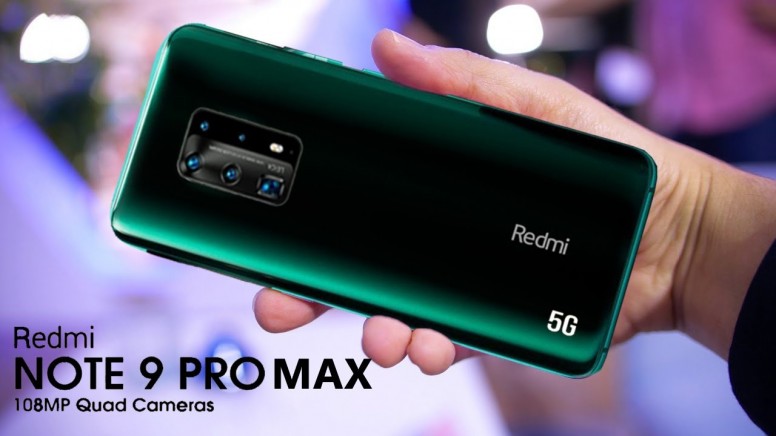

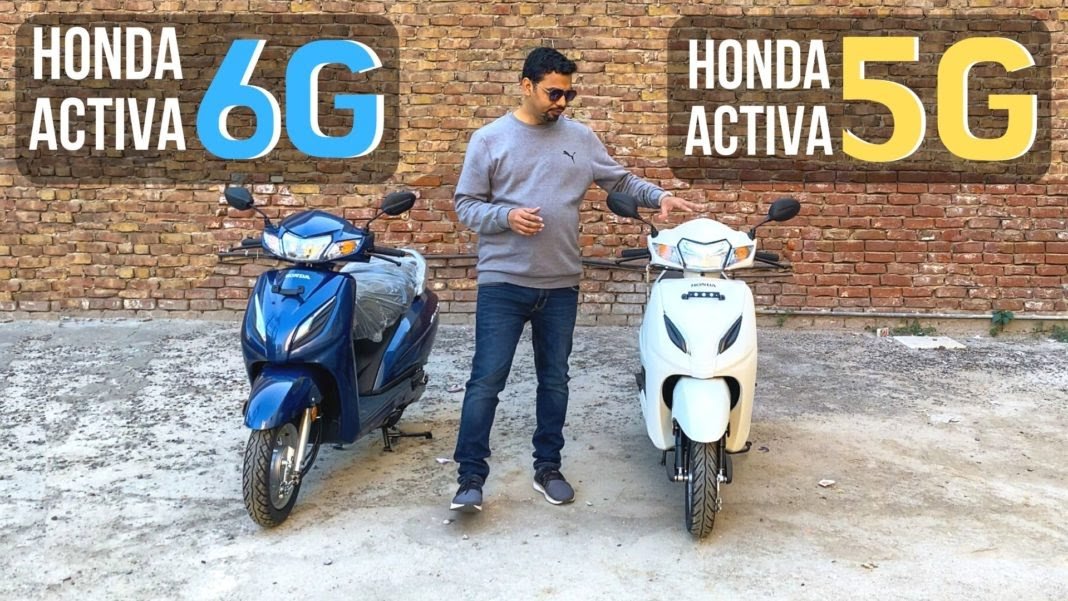
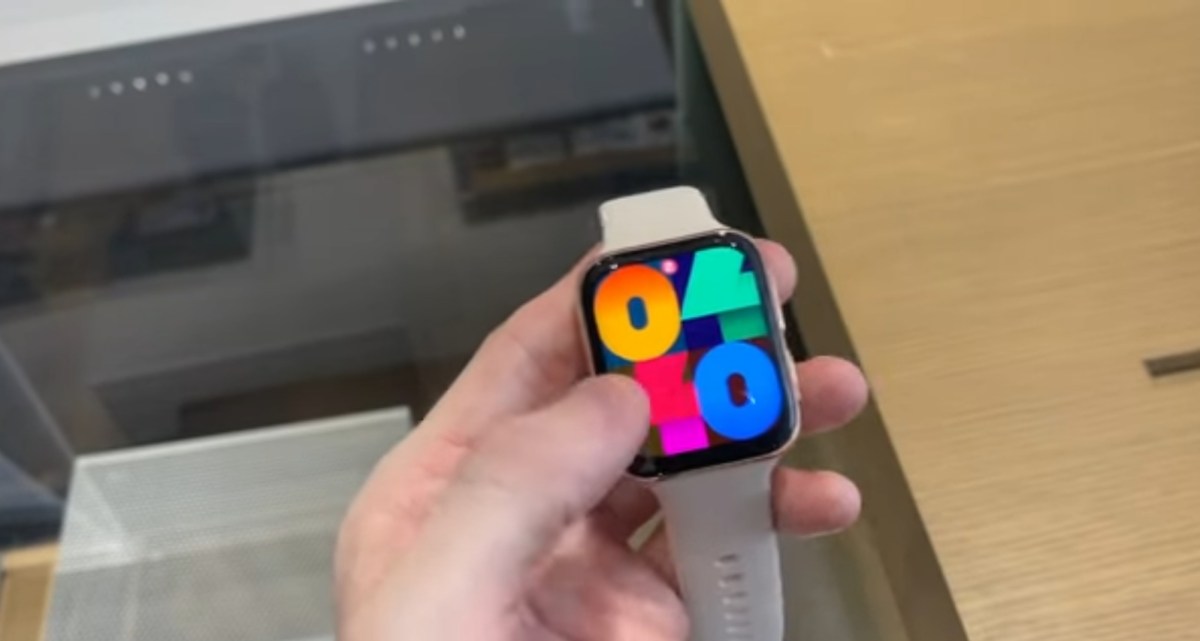
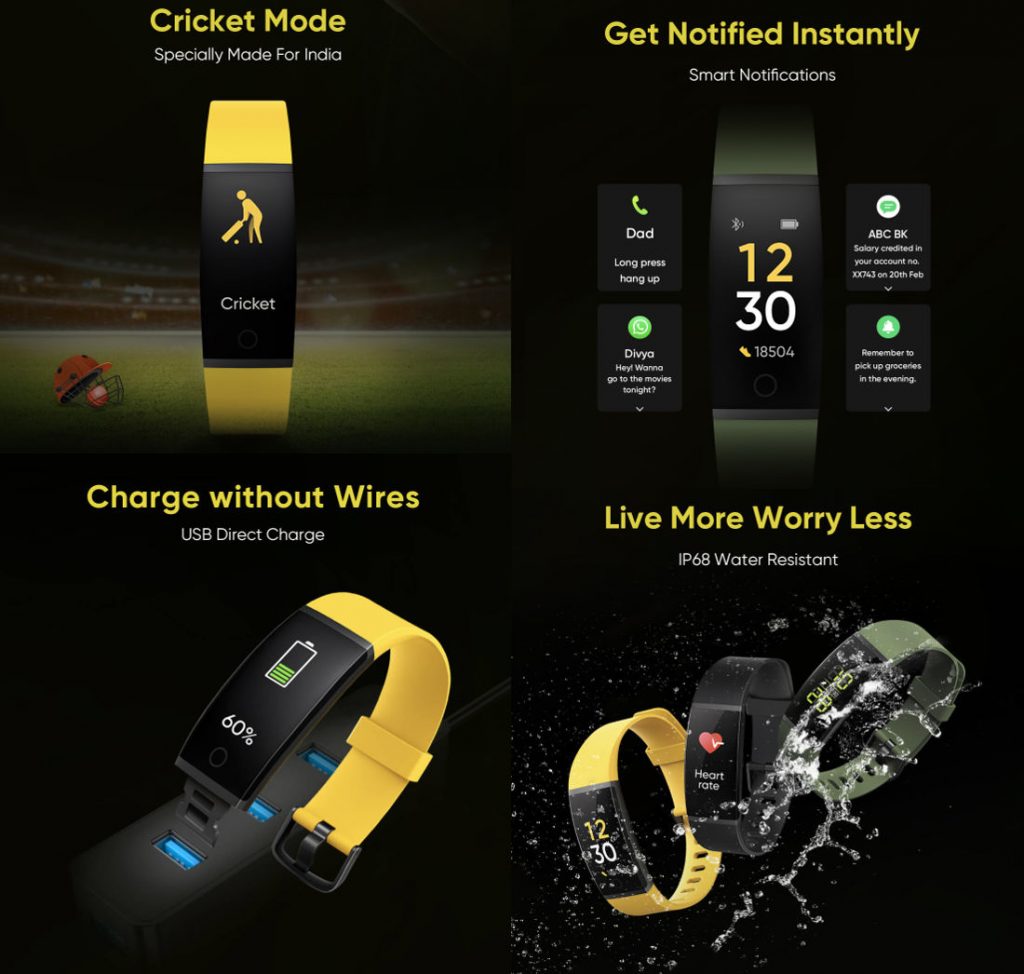


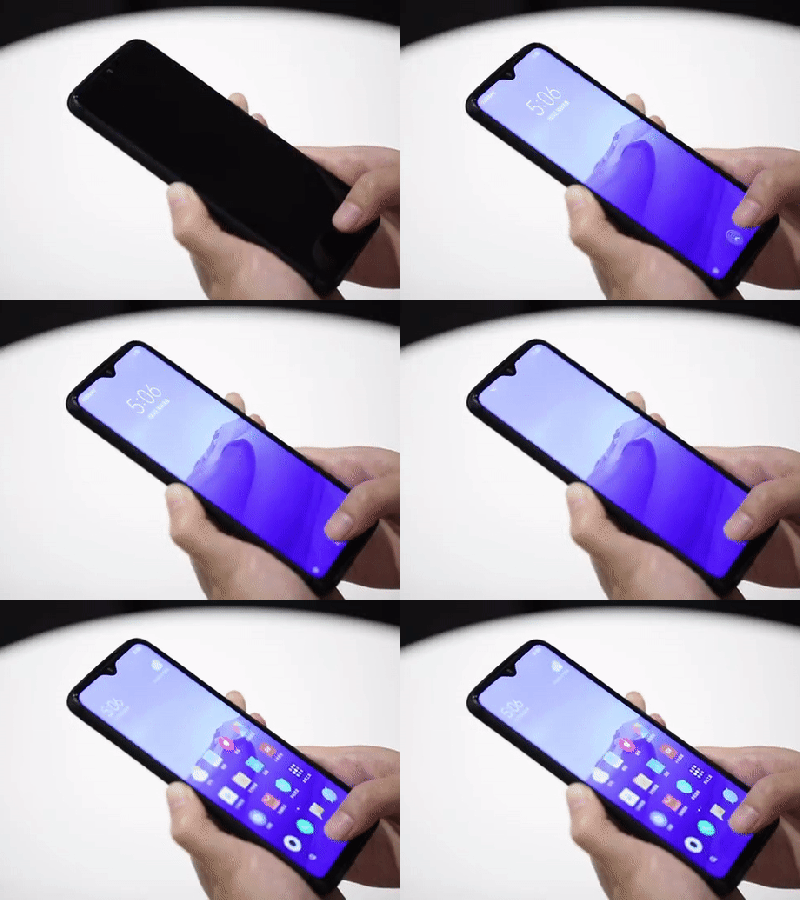









![OnePlus expected to unveil a new concept device on March 3 [Updated]](https://geekspot.tech.blog/wp-content/uploads/2020/03/3abfb-pzd11ryn.jpeg?w=800)





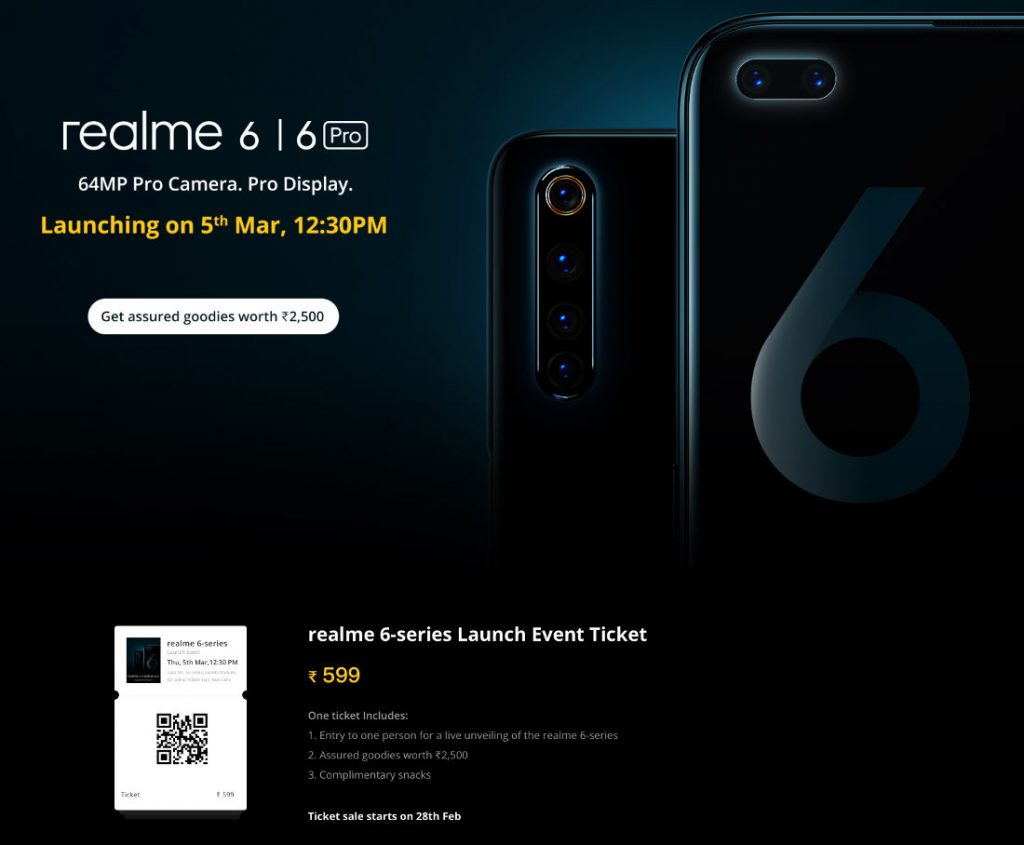


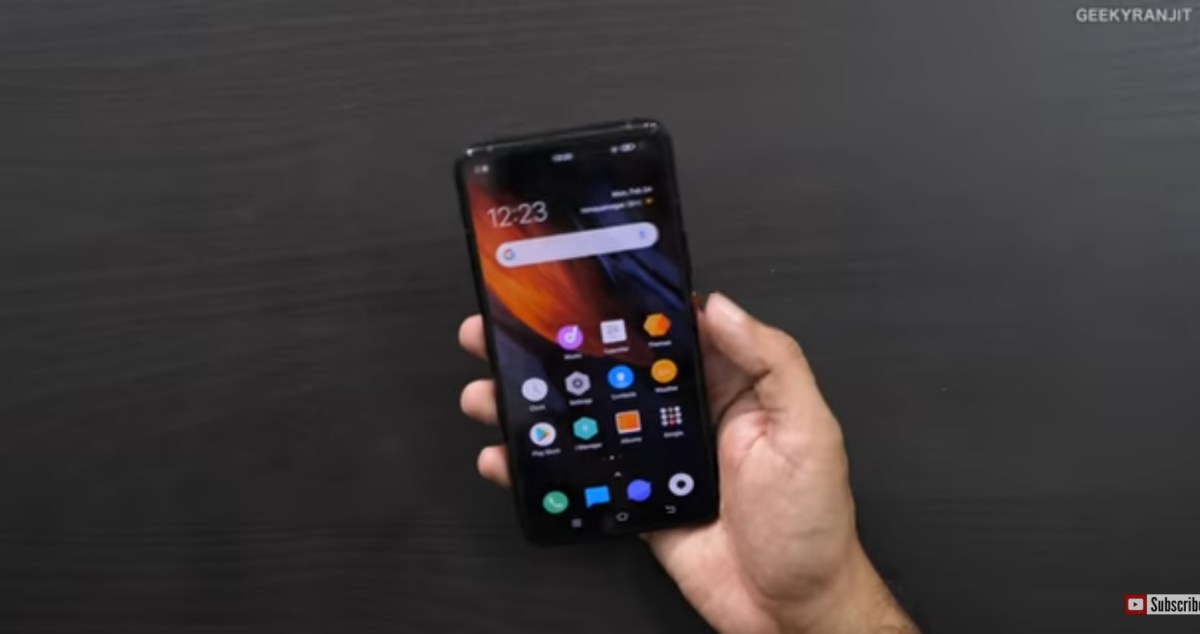
![Realme band with AMOLED screen launching in India on March 5 [Updated: New Colors, Cricket Mode, IP68 Rating]](https://geekspot.tech.blog/wp-content/uploads/2020/03/1bcab-realme-band-1024x629-1.jpg?w=1024)

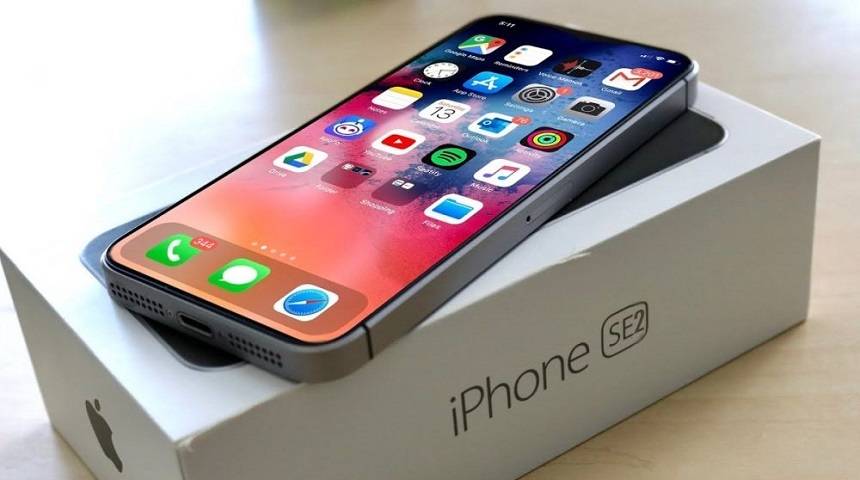


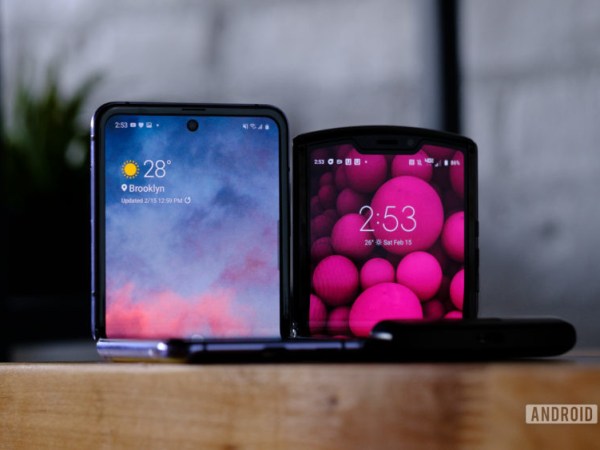














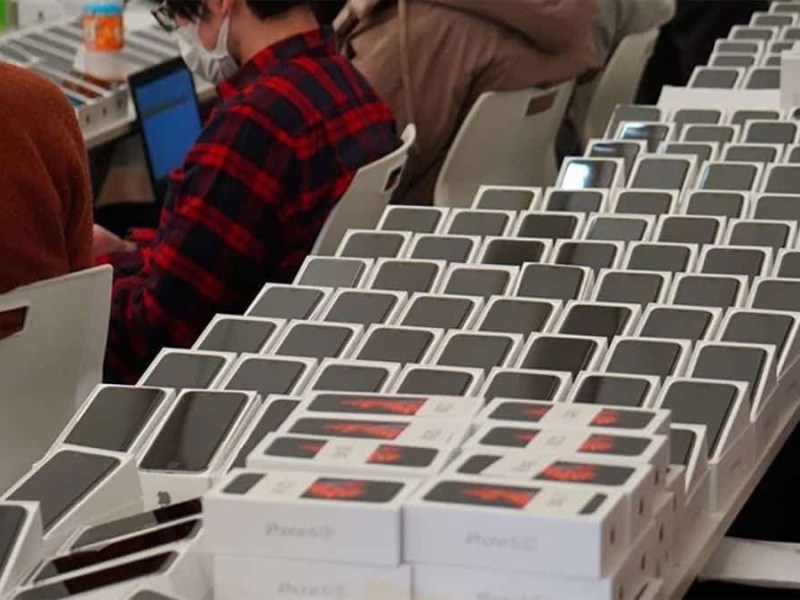
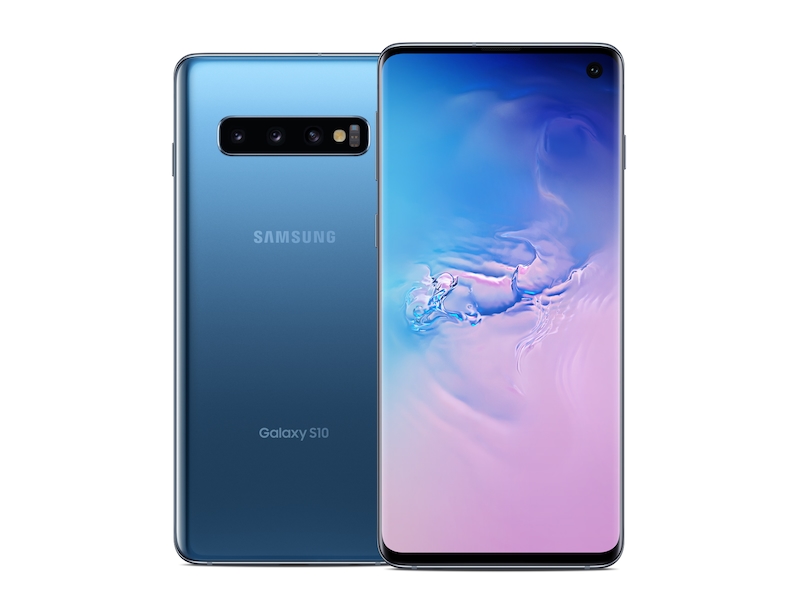
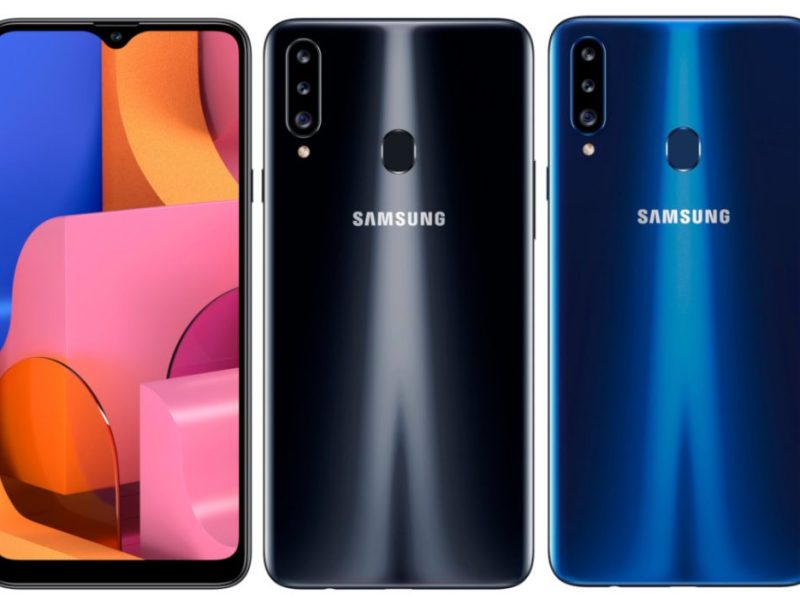
















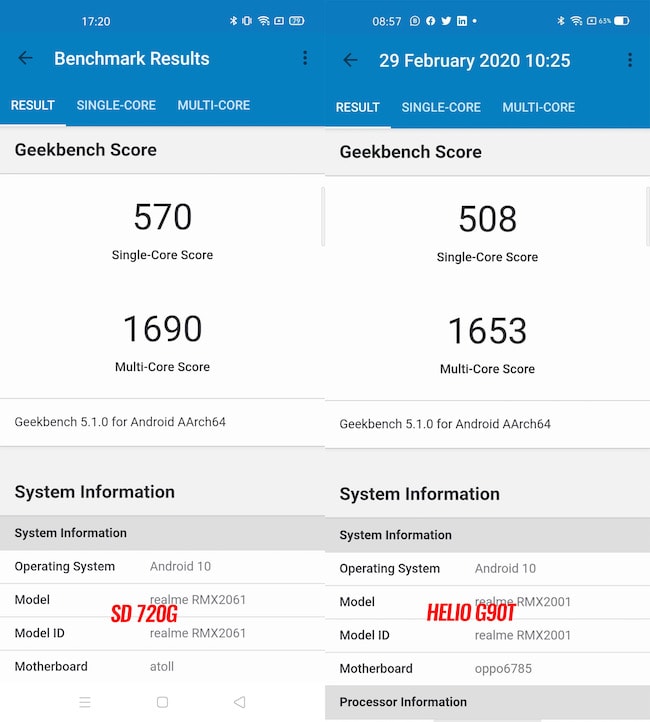

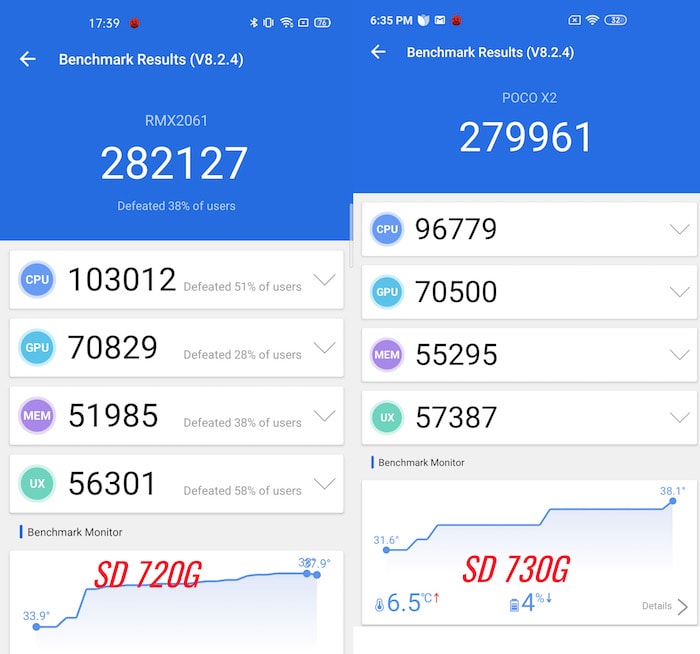







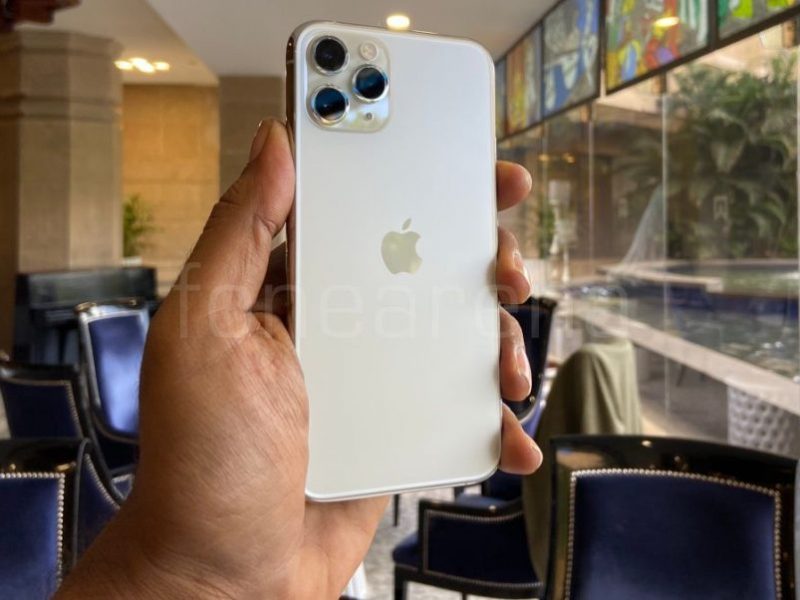




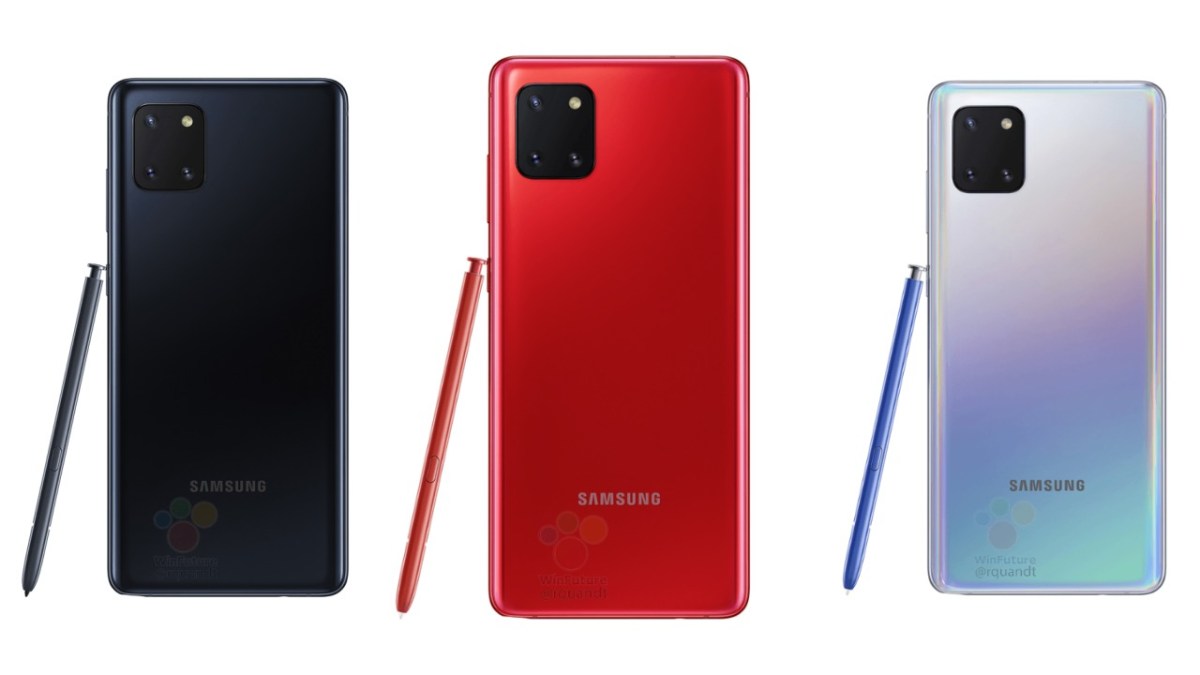




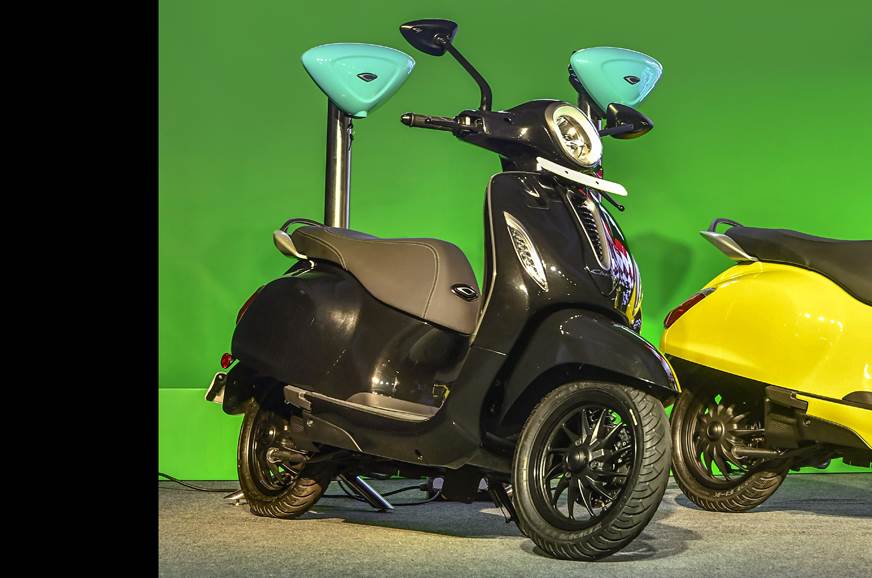

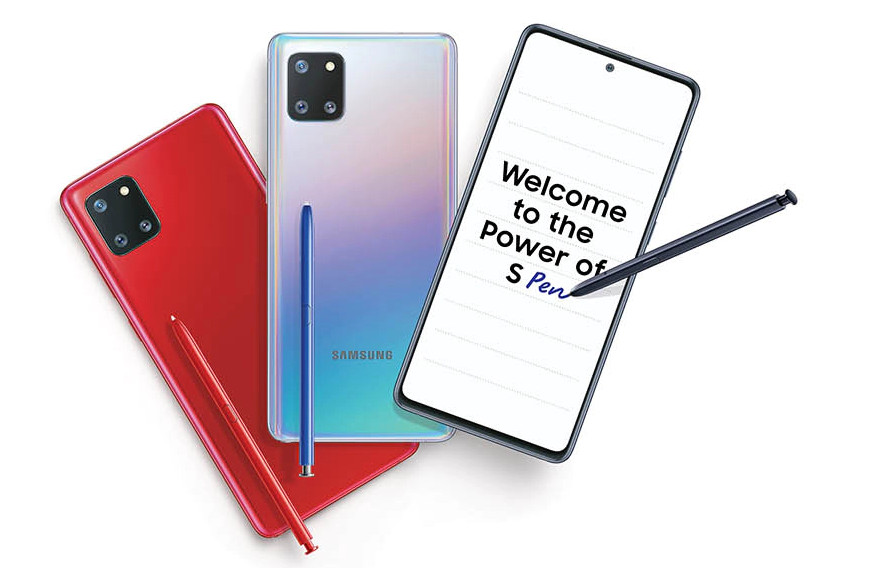





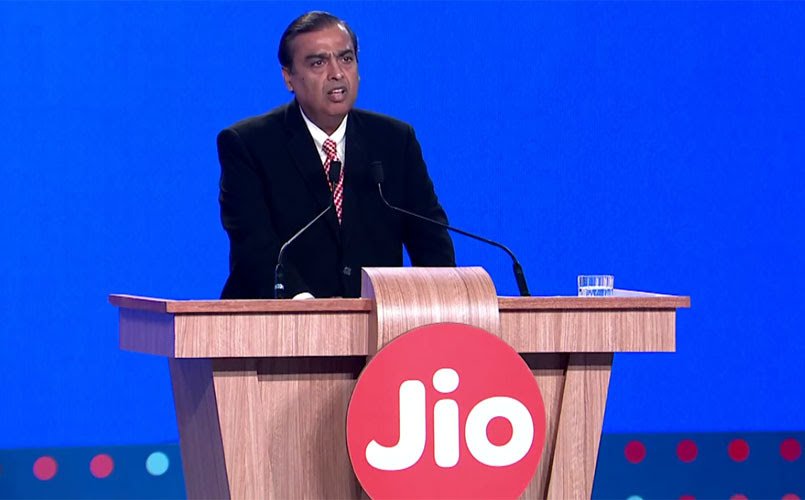



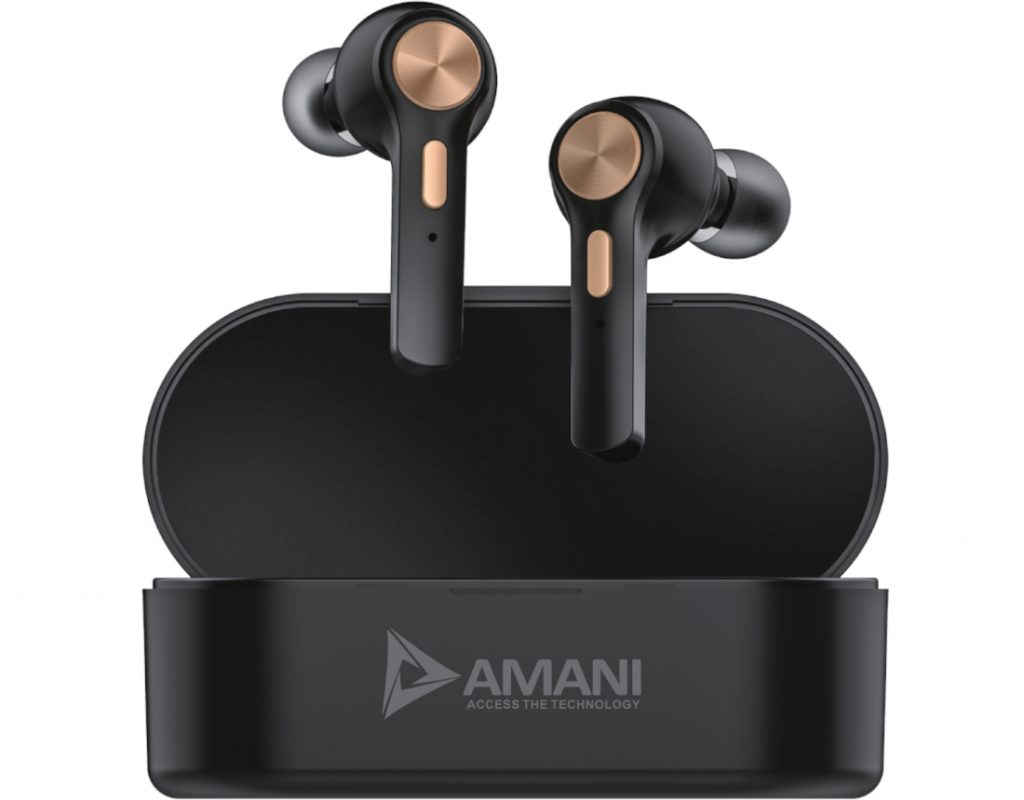
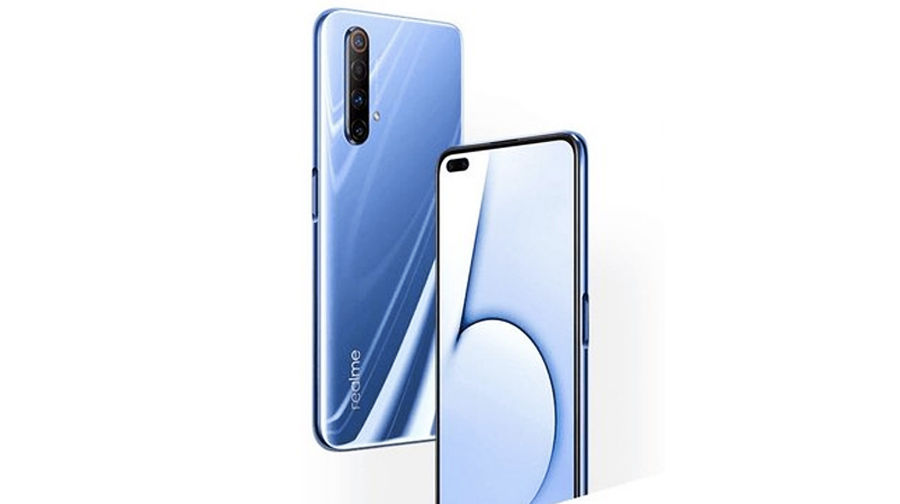

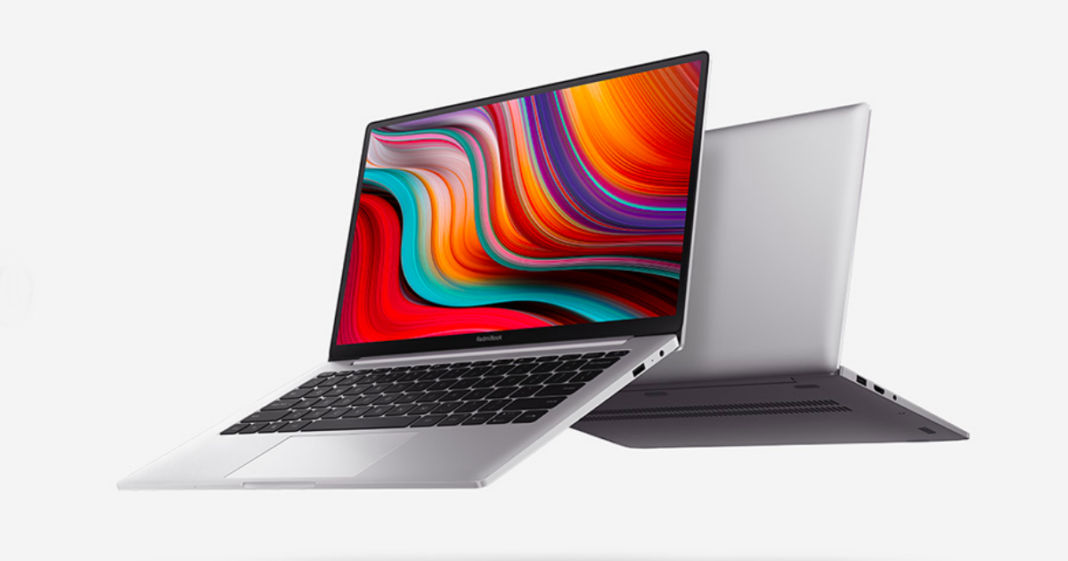






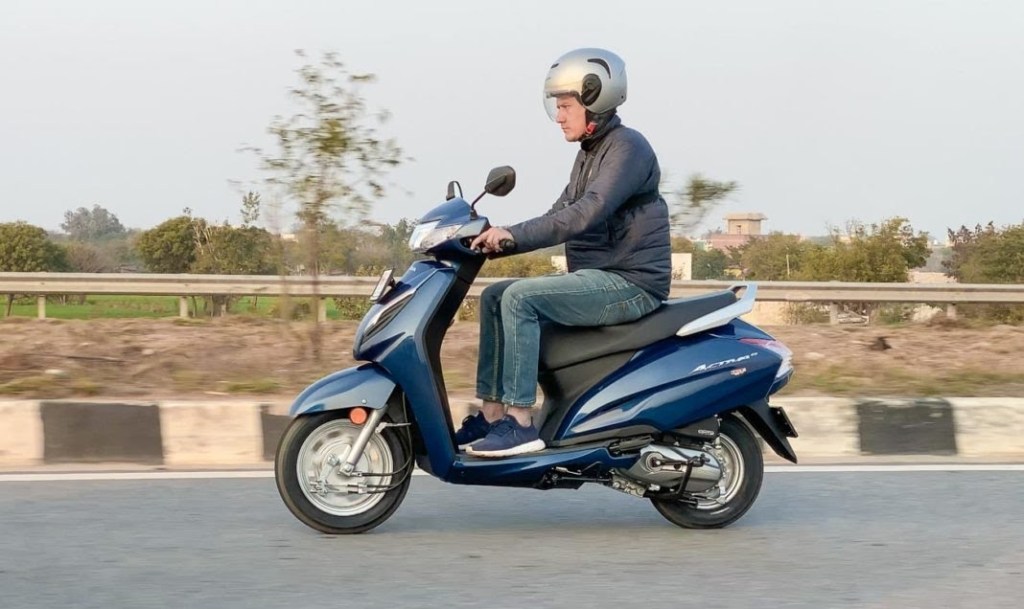
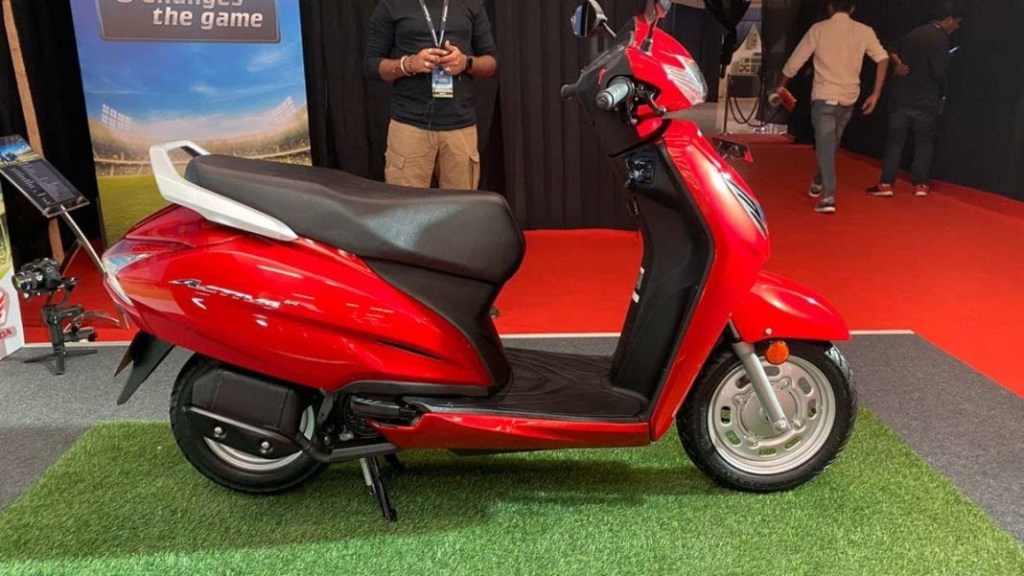
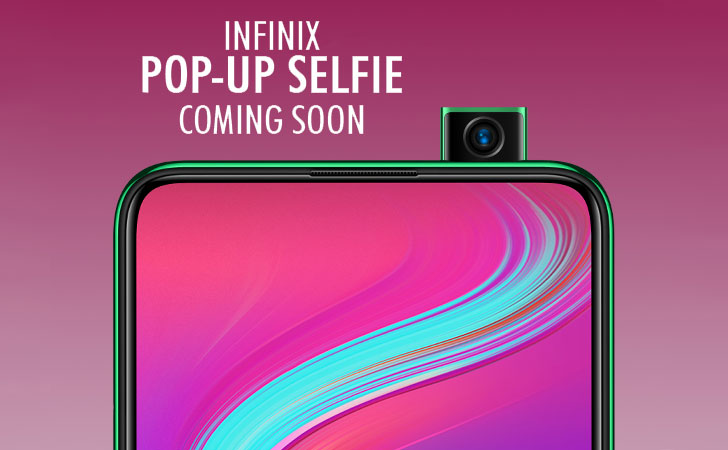

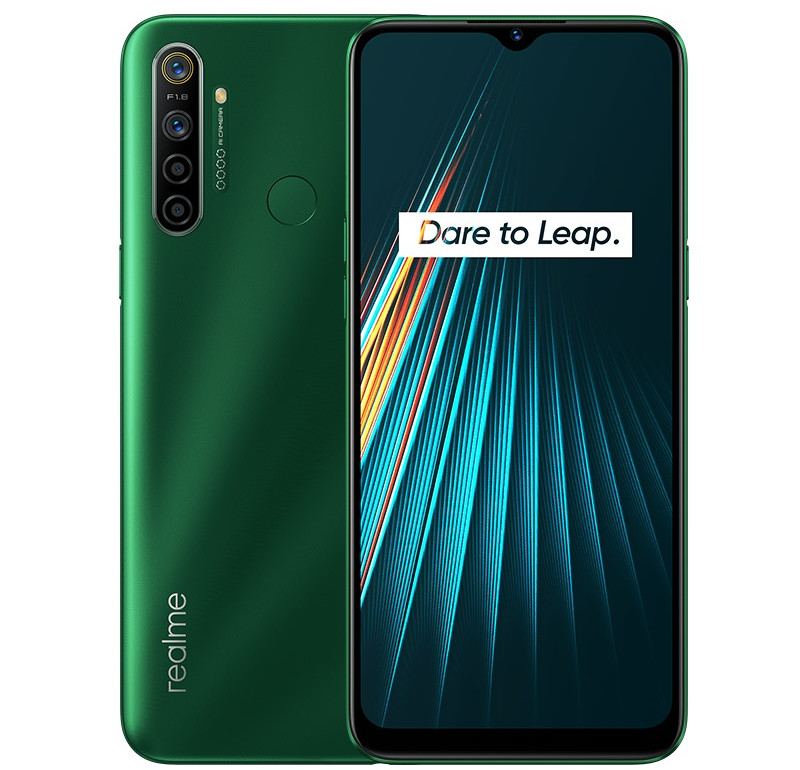


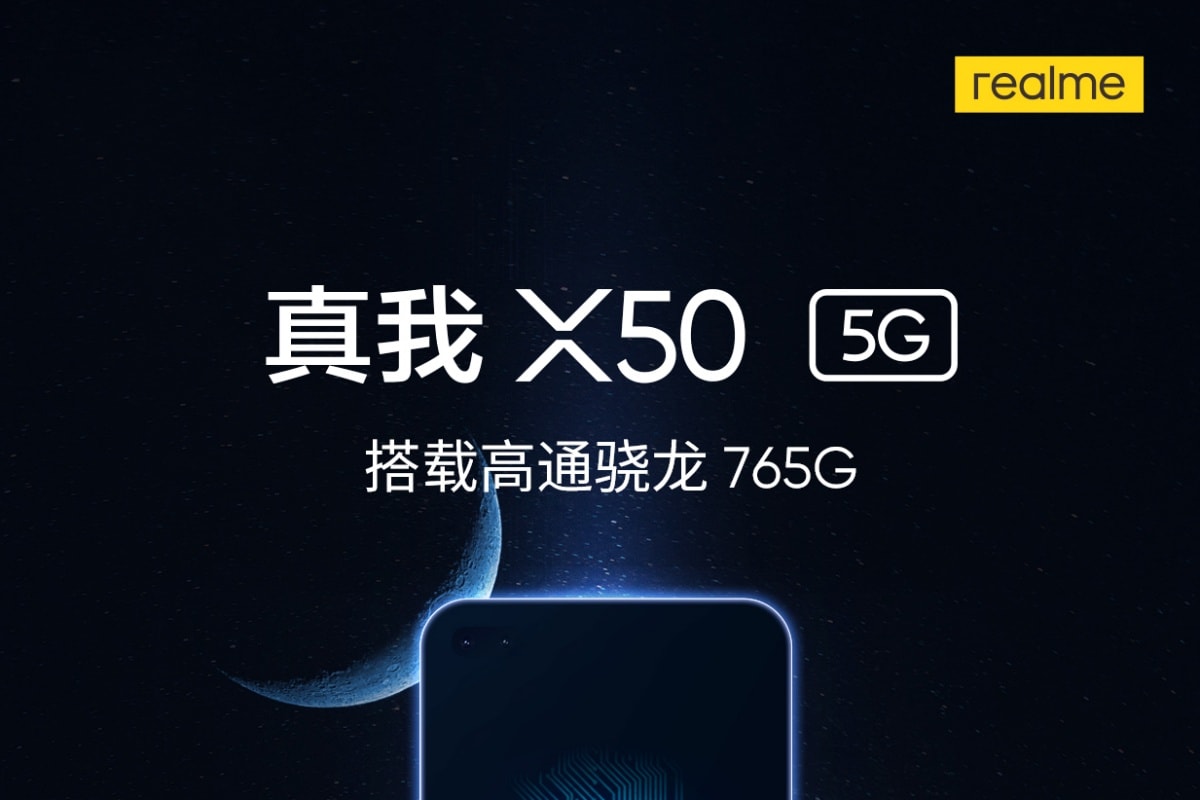

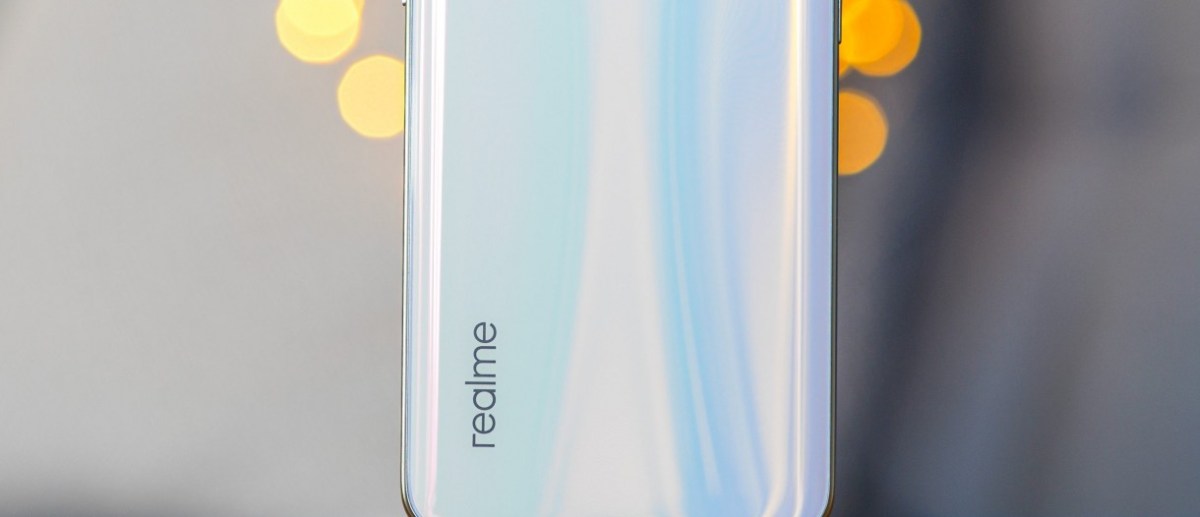






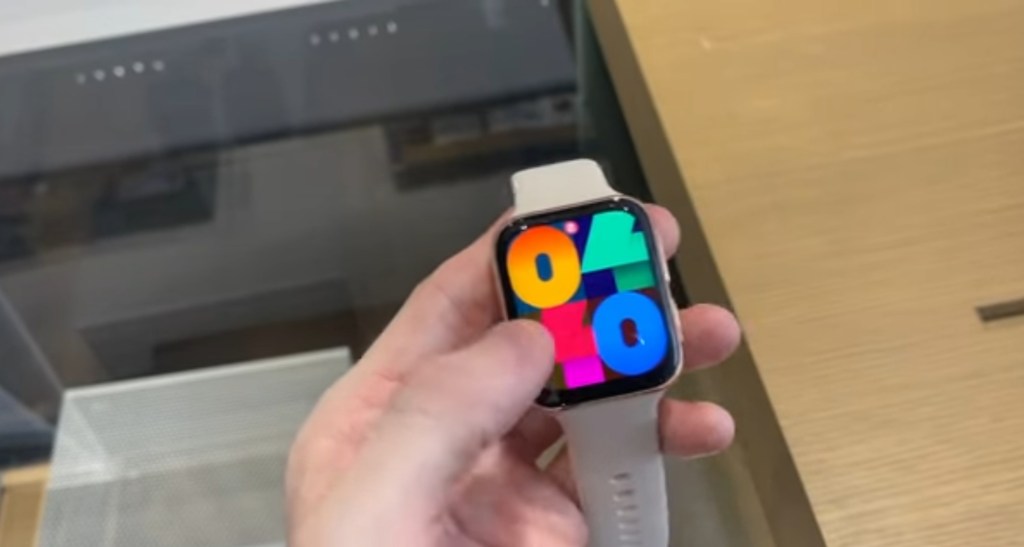








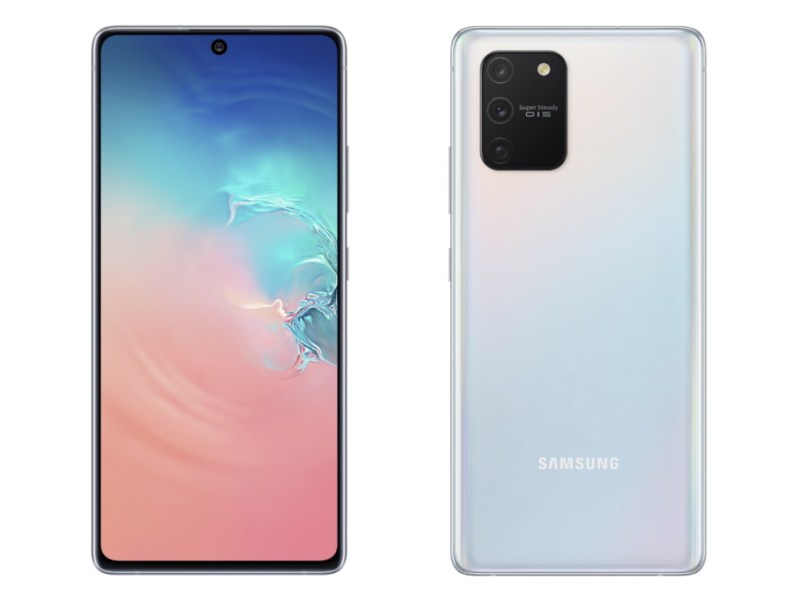





![Redmi K30 5G with Snapdragon 765G and Redmi K30 with Snapdragon 730G announced Today [Dec 10, 2019]](https://geekspot.tech.blog/wp-content/uploads/2020/03/aa7e6-d11b5-76472-redmi-k30-5g-1024x607-1.jpg?w=1024)




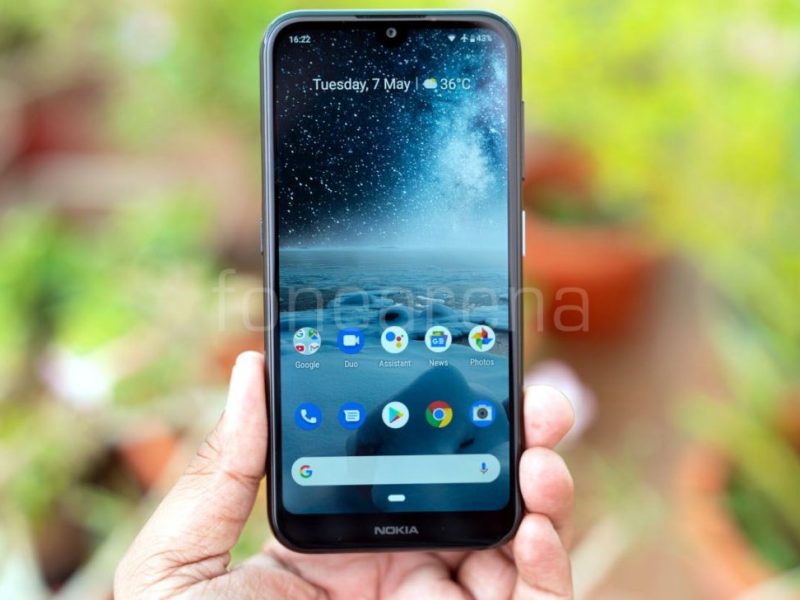







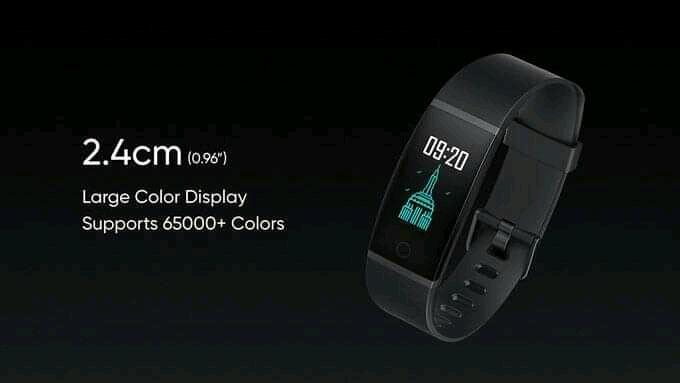




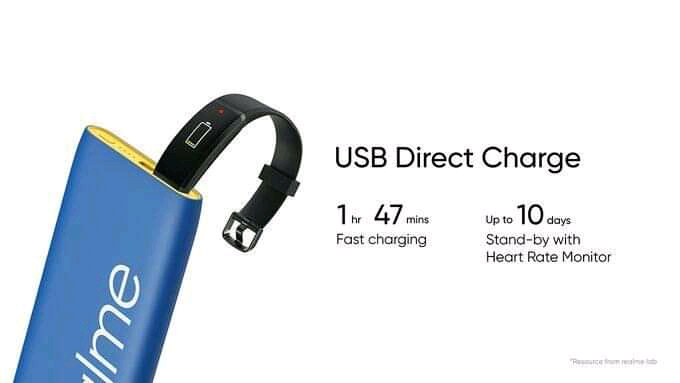
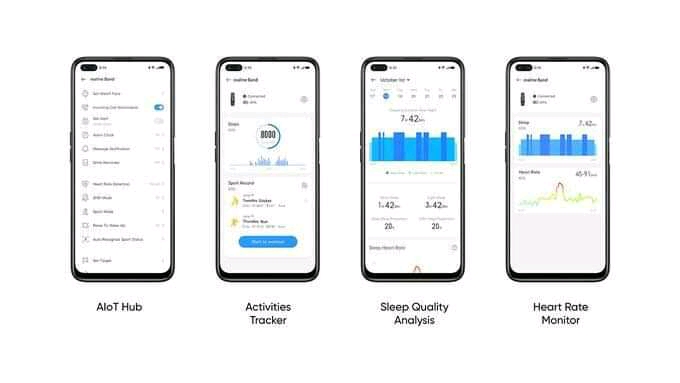



















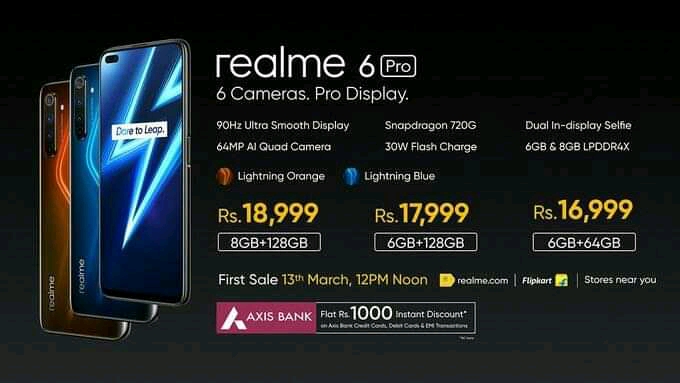








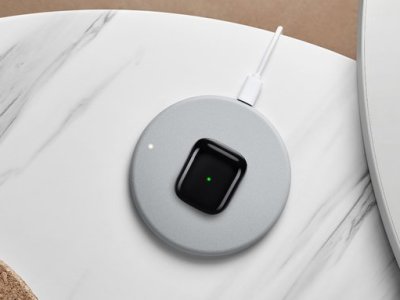
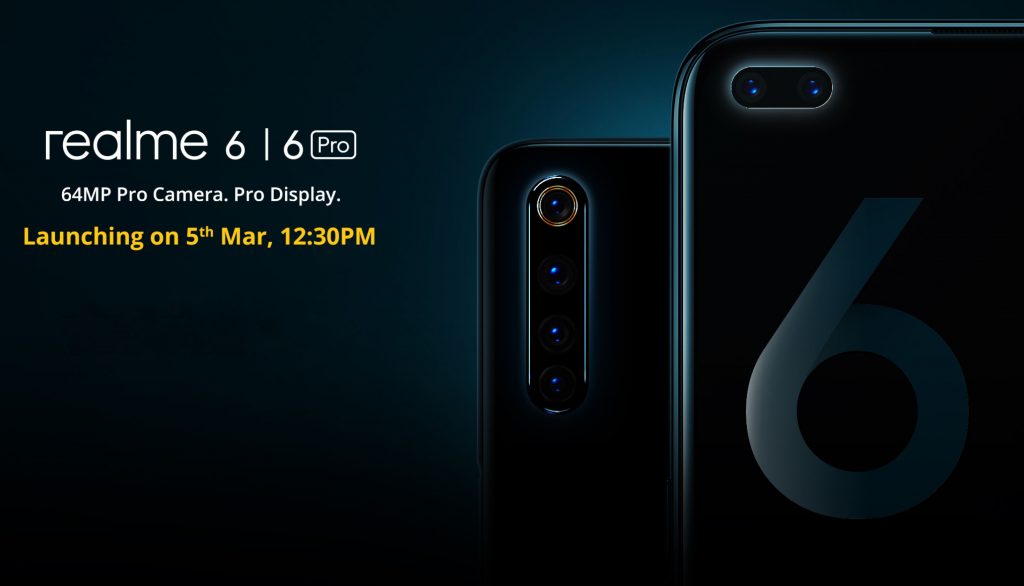











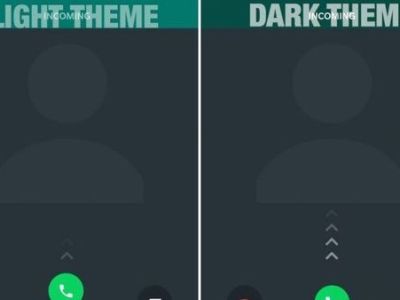


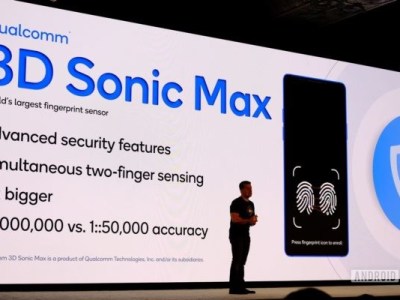











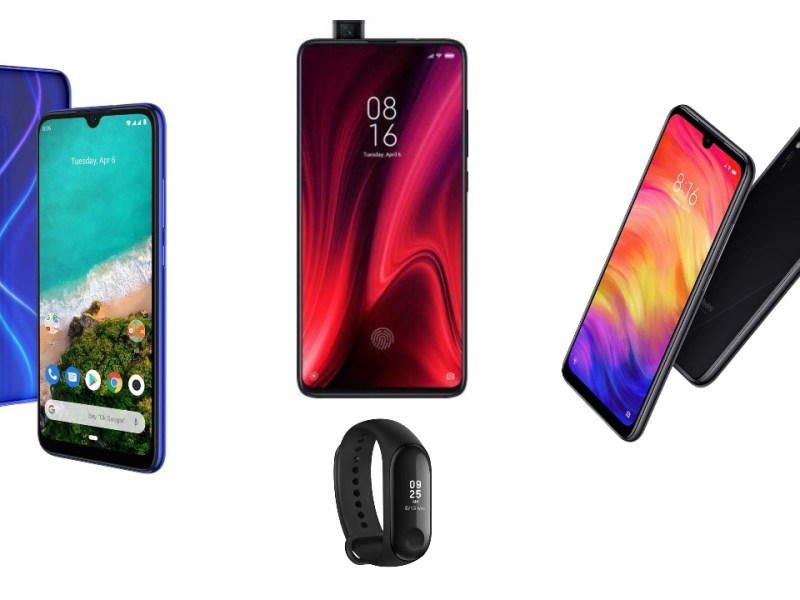




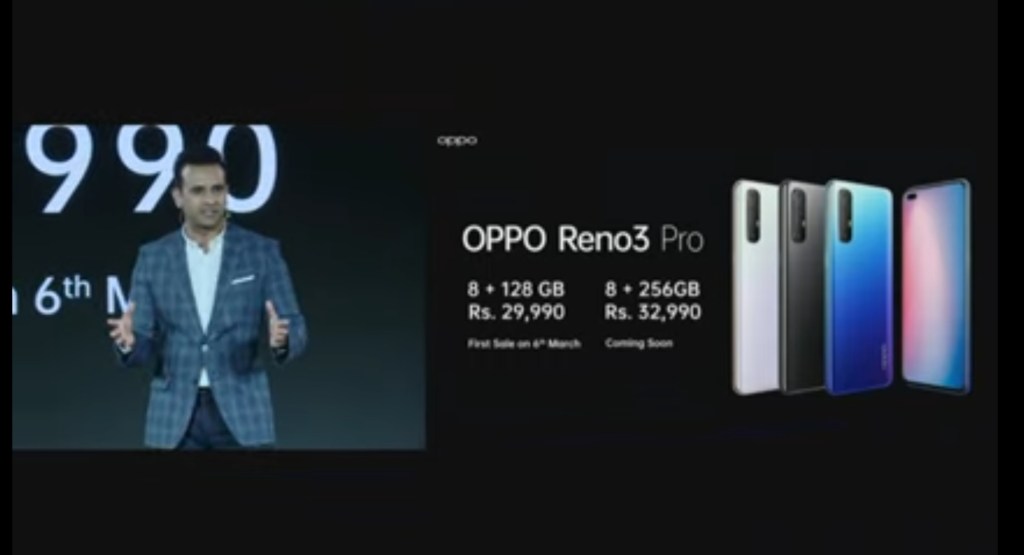




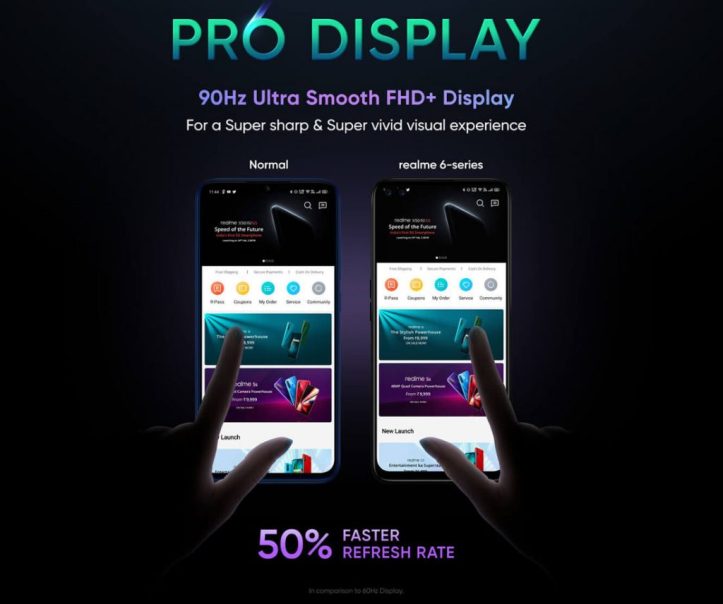








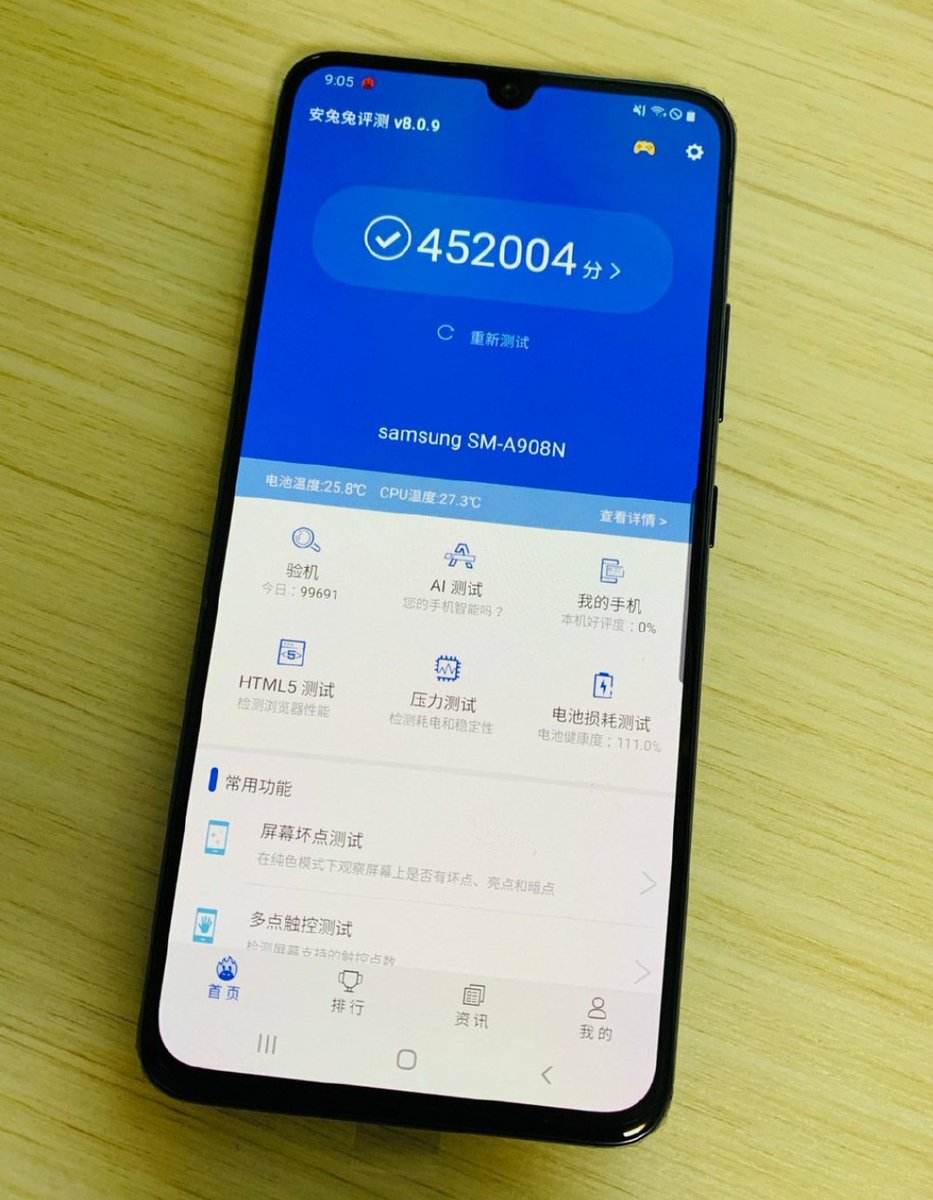

 Basemark
 Basemark
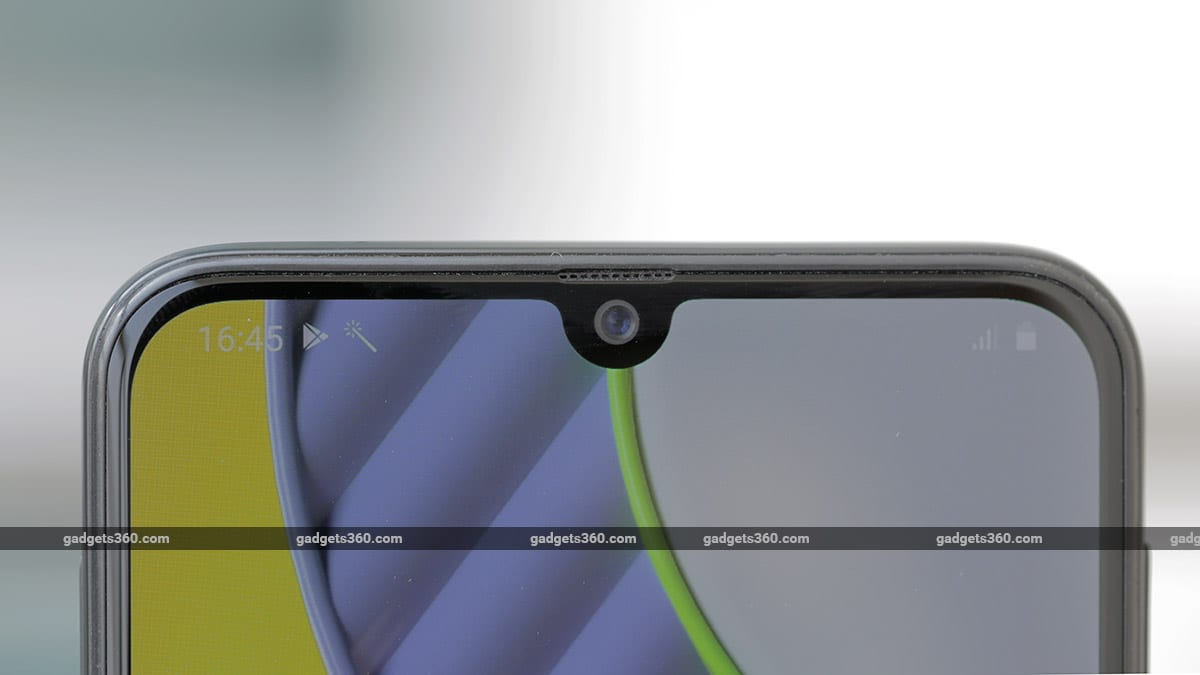






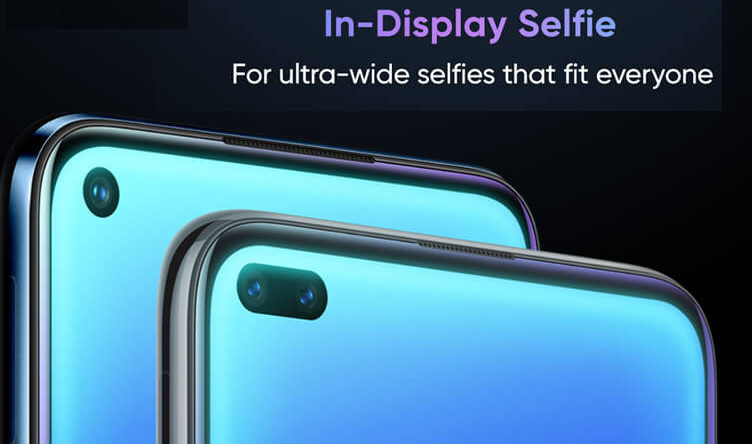
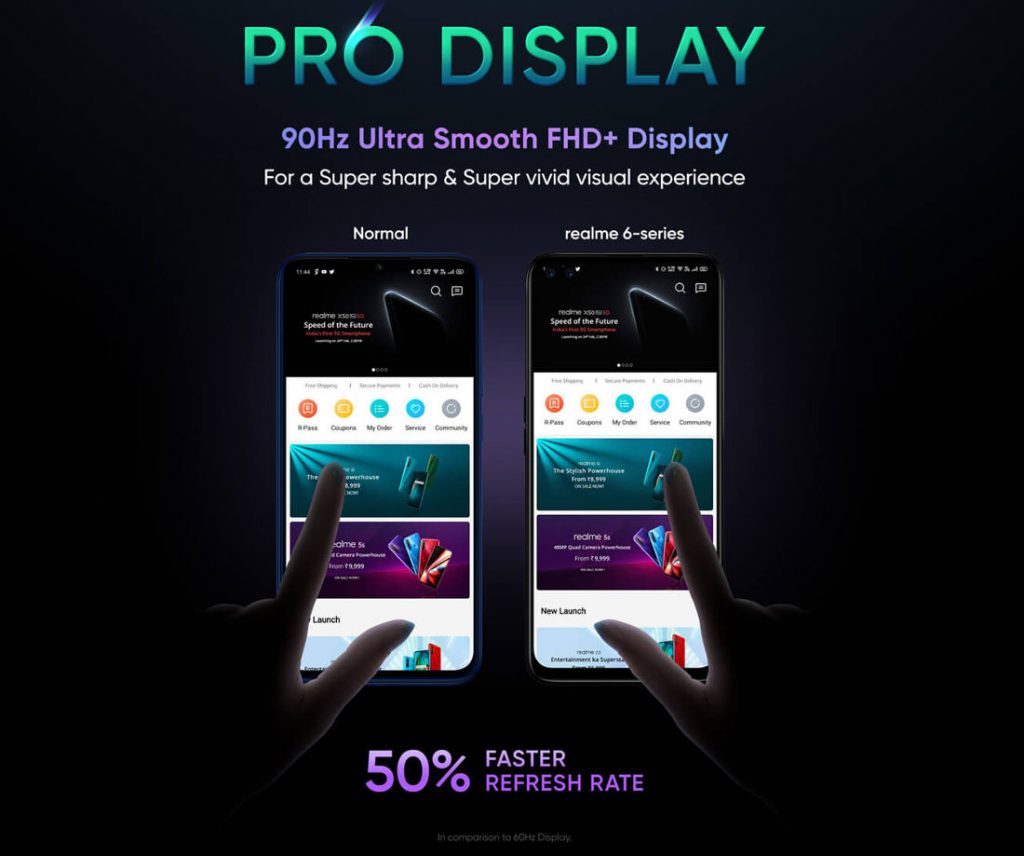


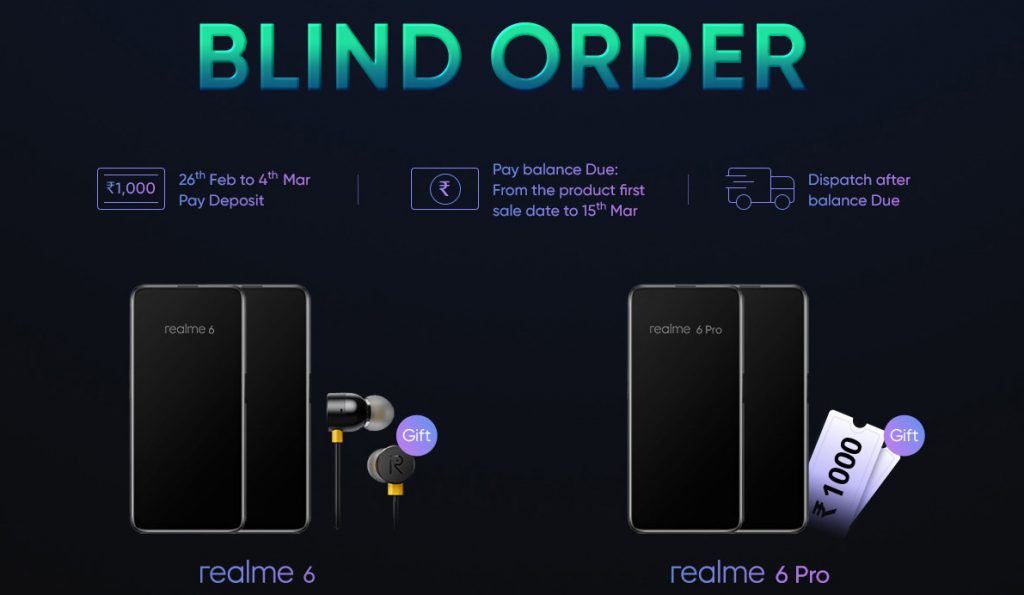






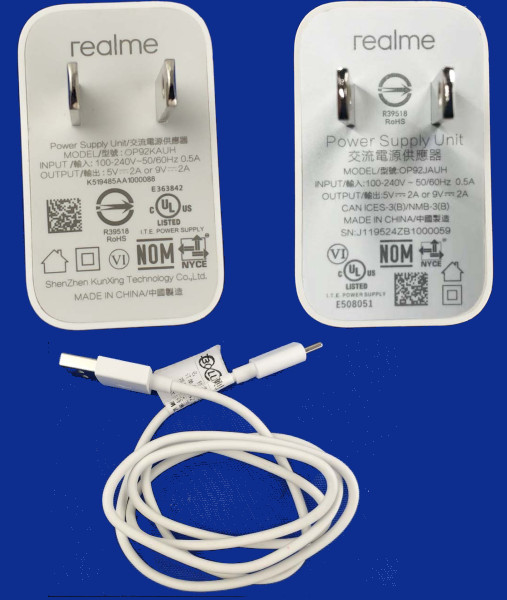
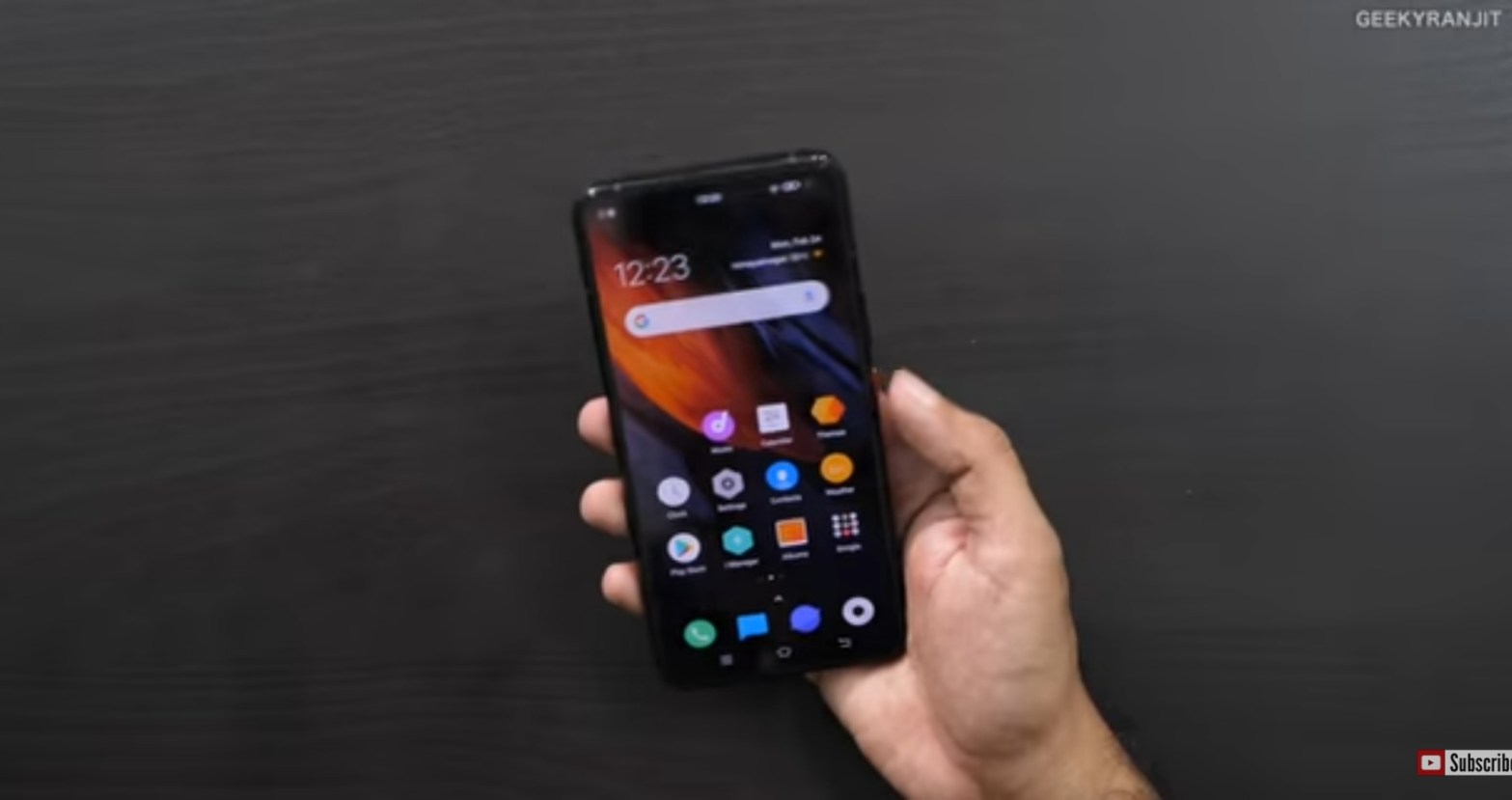







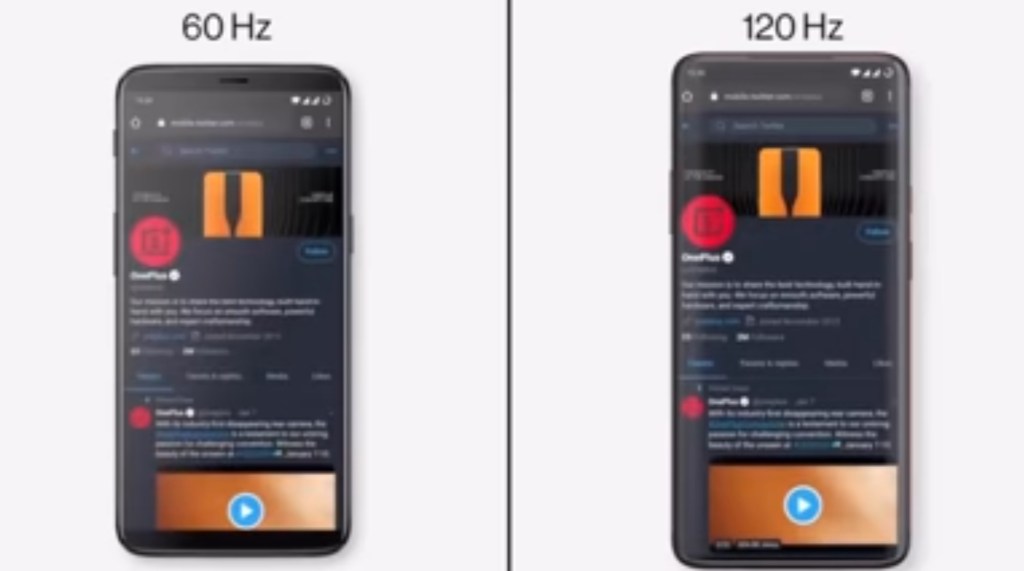



















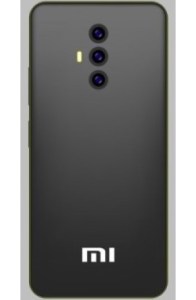


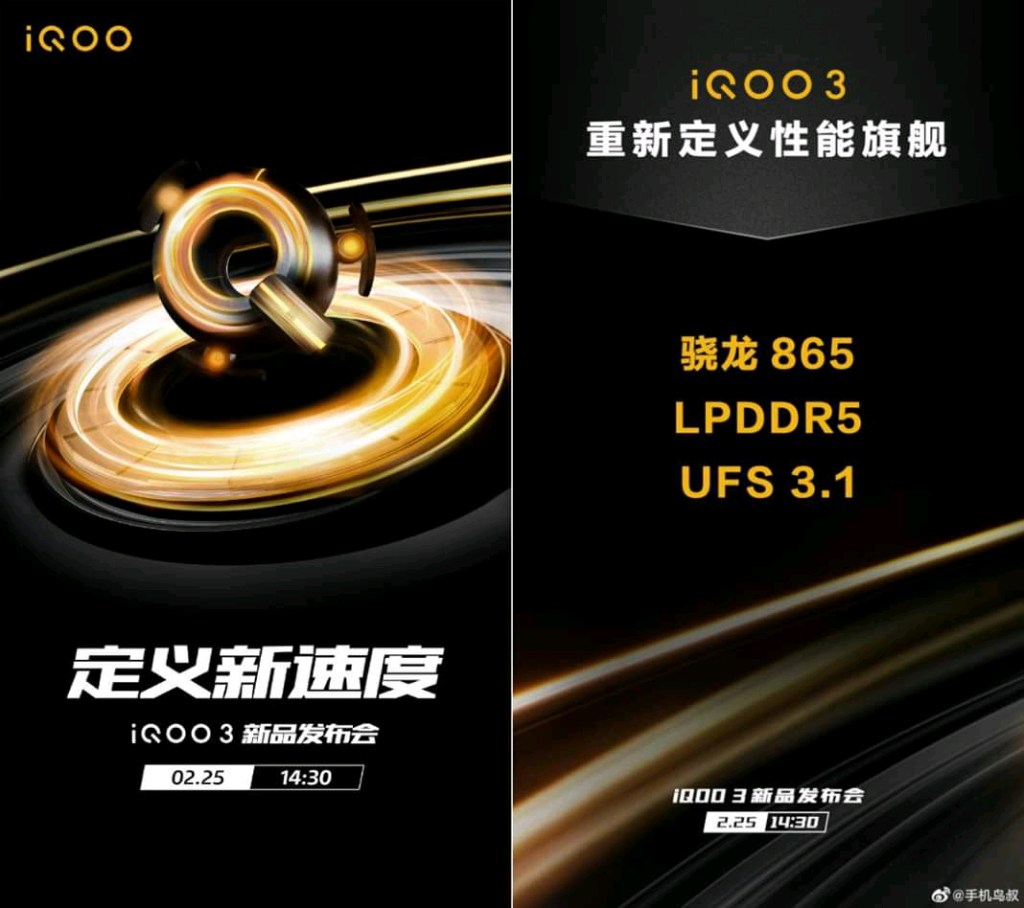
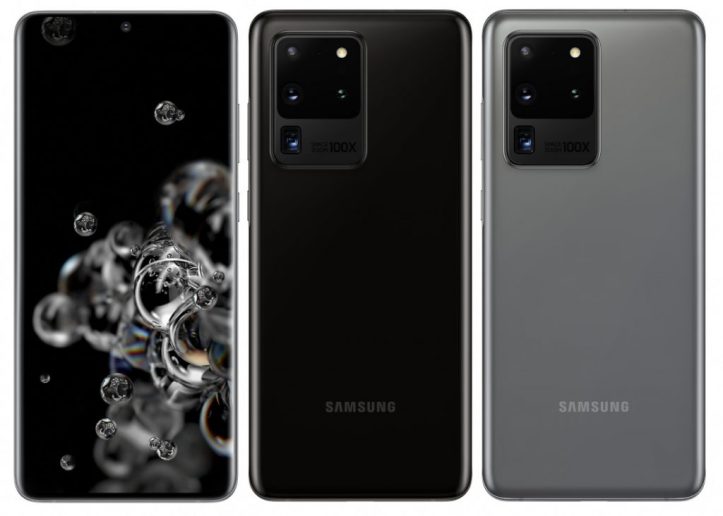






 GeekSpot