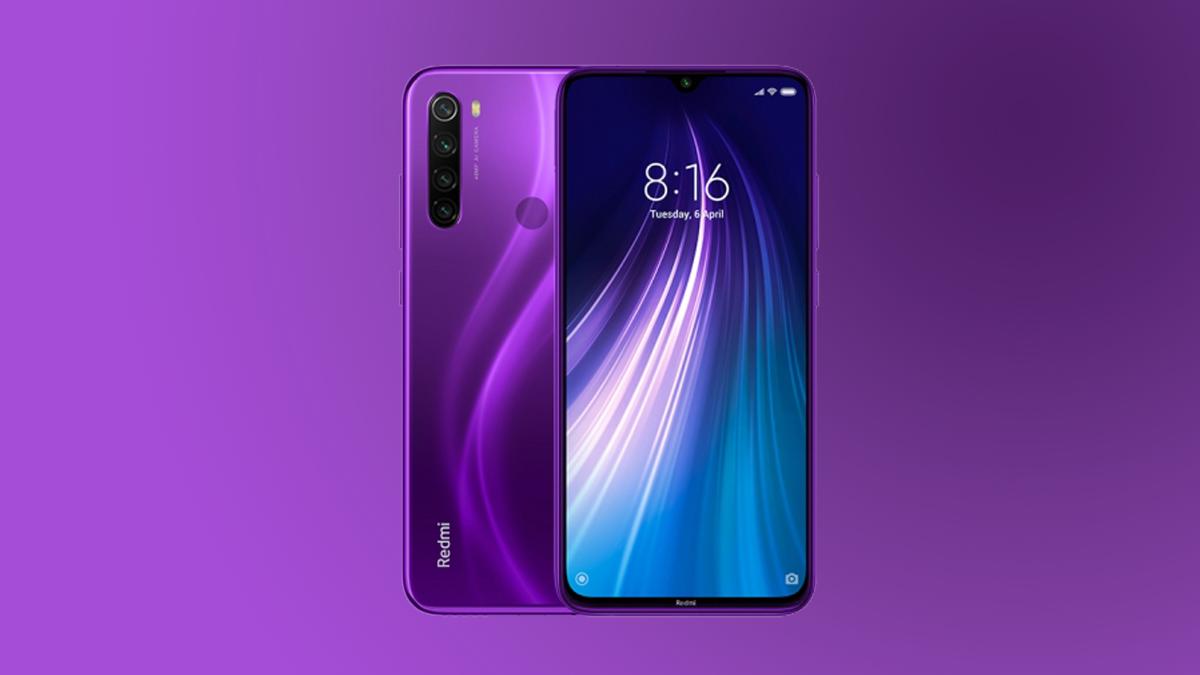
Xiaomi is working on a higher storage variant of the Redmi Note 8 and it will launch soon in China. RAM is going to be increased to 8GB.
HIGHLIGHTS
Xiaomi is working on a 8GB RAM variant of the Redmi Note 8.
This variant of the Redmi Note 8 could also get 256GB storage.
Rest of the specs will remain the same, including the Snapdragon 665 chipset.
It has been only a few months since Xiaomi launched the Redmi Note 8 and Redmi Note 8 Pro in global markets and it seems that the company is looking to give the handset a midlife refresh. According to some leaks, China is going to get another variant of the Redmi Note 8 and as it has already been spotted on TENAA, chances are that the new variant is going to be launched in the market soon. The Redmi Note 8 is going to get more RAM and storage.
Yes, for those who want more RAM and storage on their phones, Xiaomi is going to answer the prayers. Xiaomi is coming with a new variant of the Redmi Note 8 that will get more RAM and storage. How much, you wonder? The current versions of the Redmi Note 8 come with 4GB and 6GB RAM and Xiaomi is now going to give its 8GB RAM. And not only RAM, but the Redmi Note 8 is also going to get more storage- 256GB to be precise.
Hence, the Redmi Note 8 with 8GB RAM and 256GB storage is going to be the most high-end variant that Xiaomi will sell in China. There’s no word as to whether Xiaomi India is going to consider this variant for the Indian market, given that it already sells the Redmi Note 8 Pro at a slightly higher price. However, if this variant of the Redmi Note 8 makes it to India, chances are that Xiaomi could sell it for Rs 13,999 in India, given that the Redmi Note 8 Pro starts at Rs 14,999.
For those in the unknown, Xiaomi currently sells two variants of the Redmi Note 8 in India. The base variant of the Redmi Note 8 comes with 4GB RAM and 64GB storage, and is priced at 9,999 The top-end variant of the Note 8 with 6GB RAM and 128GB storage costs 12,999.
The Redmi Note 8 is a more affordable option for those who cannot lay hands on the Redmi Note 8 Pro or for those who want a better all-rounder option. With the Note 8, you get a premium glass body with Gorilla Glass 5 protection. The phone gets a Snapdragon 665 chipset and is paired with a 4000mAh battery that can be filled up with an 18W fast charger in the box. Xiaomi offers a versatile quad-camera setup comprising of a 48-megapixel main camera along with an 8-megapixel wide-angle camera, a 2-megapixel macro camera and a 2-megapixel depth camera.
Airtel has launched two plans, priced at Rs 279 and Rs 379. The company keeps on presenting new plans. These plans provide 1.5 GB of data per day.
Both these prepaid plans come with high speed data and SMS facility. Let us tell you for information that the company has recently increased the price of its plan. Now give you detailed information about this plan-
Now we first give you detailed information about the Rs 279 prepaid plan, then 1.5 GB of data is given daily in this plan. Along with this, the facility of unlimited voice calls is provided. Apart from this, if you give information about the advantages of its SMAS, then 100 SMS will be given free daily.
Now talking about the validity of this plan, the validity of this plan has been given for 28 days. Apart from this, term life insurance of HDFC Life is given. Apart from this, subscription of Wink Music is also given in this plan. Apart from this, customers are also given a cashback of Rs 100 on purchasing FASTag.
Now, if you give information about the plan of Rs 379, then 6 GB of data is given in it. Talking about its validity, its validity is given for 84 days. Apart from this, the facility of unlimited voice calls is provided and the benefit of 900 SMS is also given. You can get more information about these two plans from the company’s site.
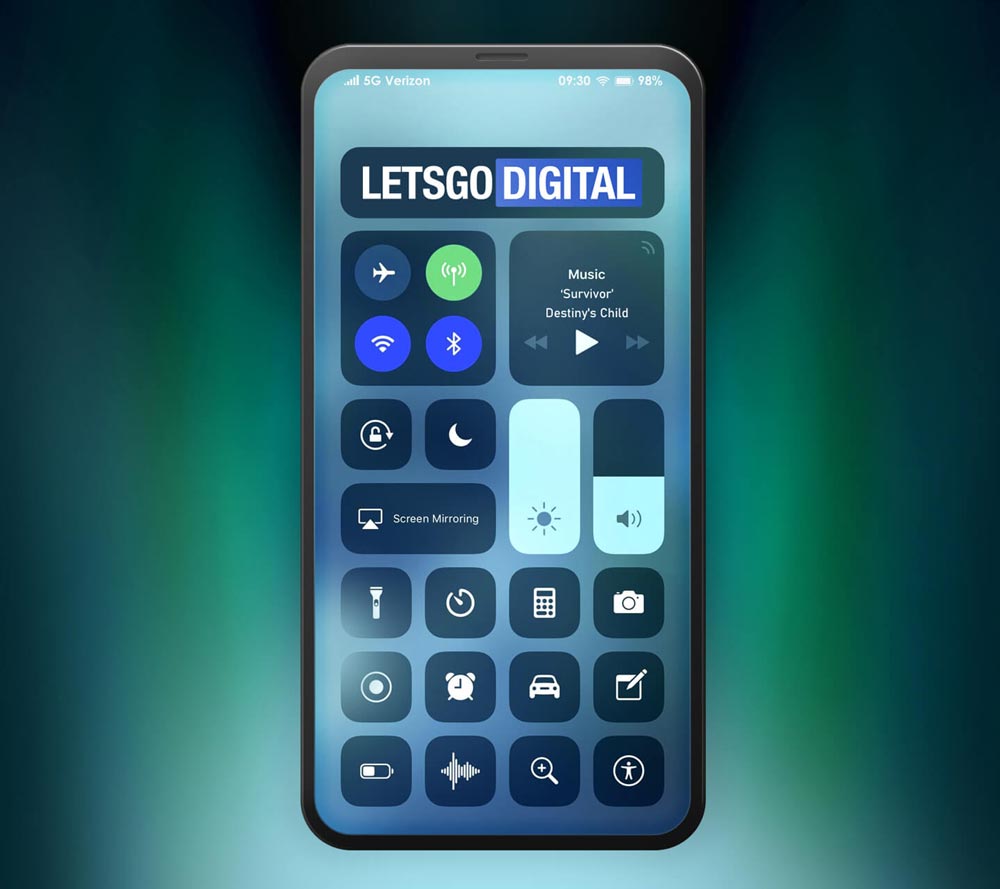
Apple anticipates delivering over 100 million iPhones in 2020. It’s a huge number to throw down, especially when mobile phone sales have actually decreased. A new Apple patent today emerged online, and it might be the factor for the business’s self-confidence in deliveries for next year
The patent application, very first identified by LetsGoDigital, showcases a new Apple device that appears to be the iPhone. However, it might be the next-gen iPod Touch. We are doubtful about this being an iPhone patent for one factor. The sketches in the patent application (connected listed below) do not boast a notch up-top as holds with current-generation iPhones.
The Apple patent reveals that the phone with a rectangle-shaped screen and square corners. As there is no notch, the device seems missing out on the needed hardware for Apple’s Face ID tech.
Moreover, there is no front-facing camera, which means there could be a pop-up selfie lens concealed inside the frame of the device. On the outside, the patents reveal the device has a power button, volume secrets, and a physical alert switch similar to an iPhone. There likewise seems a SIM tray below the power button.nBased on the report, the revamped Apple phone would bring in-display front-facing video cameras and an in-display fingerprint scanner to counter the loss of the notch
Xiaomi has revealed the price of the Mi Watch Color and it costs less all other Wear OS-enabled smartwatches. The Mi Watch Color is an affordable version of the Mi Watch.
HIGHLIGHTS
The Mi Watch Color costs 799 Yuan (approximately Rs 8,100).
The new model gets a circular dial and new colourful straps.
Xiaomi claims 14-day battery life for the Mi Watch Color.
Xiaomi announced a new version of the Mi Watch a couple of days ago and it has finally revealed the price of the wearable. Called the Mi Watch Color, it’s currently launching in China as of now and Xiaomi will start selling it from as low as 799 Yuan, which when converted to Indian Rupees costs Rs 8,100. That makes the Mi Watch Color more affordable when compared to the Mi Watch that was launched a few months ago.
The Mi Watch Color is a new version of the Mi Watch that focuses more on the fashion quotient instead of the functionality. Xiaomi is yet to launch the device in China officially but the teaser posters of the device have so far revealed that this one cares about those users who are after the style. The Mi Watch Color, as the name suggests, offers an option to choose from three different colours for the dial and multiple straps.
The biggest difference between the Mi Watch and Mi Watch Color is that the latter gets a circular dial similar to Samsung Galaxy Watch Active whereas the Mi Watch has a rectangular dial.
Apart from the colourful straps, the Mi Watch Color also gets most of the functionalities that original Mi Watch debuted a few weeks ago. It can record a host of fitness functions such as steps, heart rate and calories. It also seems to be running on MIUI for Watch which is based on Google Wear OS platform. The watch gets a 1.39-inch AMOLED display and it can you choose from 110 watch faces. Xiaomi says it can be water-resistant up to 50 metres depth.
For connectivity, the watch uses Bluetooth 5.0 and it features GPS for location tracking. The Mi Watch Color will rely on a 420mAh battery which Xiaomi claims can offer a power backup of up to 14 days.
So far, the Mi Watch Color is promised for the Chinese market only and it remains to be seen whether Xiaomi launches the watch in global markets. The original Mi Watch still hasn’t been launched outside of China yet. However, the Mi Watch Color at Rs 8,100 is more affordable than the Mi Watch and chances are that Xiaomi is willing to bring this one to global markets, including India.
Xiaomi currently sells its Mi Band 4 and Mi Band 3i fitness trackers in the Indian market.
The TRAI has made some amendments to the DTH rules in favour of consumer benefits. TRAI has reduced the NCF charges as well as allowed discounts on long-term plans.
HIGHLIGHTS
TRAI has made amendments to the DTH and cable TV regulations.
The NCF price of Rs 130 will now include up to 200 channels.
Operators are mandated to revise prices of their channel bouquets.
Early last year, the Telecom Regulatory Authority of India (TRAI) had changed the DTH and Cable TV regulation massively in pursuit of fair system for all the stakeholders in the industry. However, once the changes were made, the new system was blamed to increase the prices massively for all consumers. Hence, TRAI announced that it would make some amendments to prices and the new rules to make it more customer-friendly. The new amendments have just been released and it aims to iron out some of the previous complaints.
The latest amendment to the TRAI DTH and cable TV regulations have brought down prices of the Network Capacity Fee (NCF) as well as allowing operators to provide discounts for their long-term plans. Changes have also been made to the multi-TV connection regulations as well as to the pricing of the bouquets. The new changes have once again taken into consideration the concerns of the consumers and the broadcasters.
Here’s a complete rundown of all the amendments that TRAI has made to the DTH and Cable TV regulations.
Changes to DTH and Cable TV regulations 2020
-The biggest change that will help consumers is lowered NCF. Previously, a sum of Rs 130 was applicable for all free-to-air channels and consumers needed to pay more in order to watch additional channels over this. Now, consumers will pay Rs 130 as NCF charge but will be entitled to get 200 channels. The best part is that the quota of 200 channels will exclude all the channels that gave been made compulsory by the Ministry of Information and Broadcasting. Operators have also been mandated to not charge more than Rs 160 per month for giving all channels available on their platform.
-When it comes to the channel bouquet, TRAI has also made changes there as well. TRAI mandates that a channel bouquet offered by the operator shouldn’t be 1.5 times more expensive than the sum of those selected channels when bough under the a-la-carte way. Additionally, the average rate of a paid channel in the bouquet shouldn’t be three times more expensive than it’s a-la-carte rate.
-For broadcasters, their channel bouquets will only contain those channels that have a price of less Rs 12. For those channels priced more than Rs 12, consumers will have to choose them separately. -TRAI has decided that in case of a multi-TV connection registered to one subscriber, they will be charged a maximum of 40 per cent of declared NCF for second and additional TV connections.
-TRAI also says that operators will be able to offer discounts on long terms plane longer than 6 months and more.
When will the new regulations be implemented?
TRAI has mandated all broadcasters to reflect changes made to the price of pay channels for a-la-carte and bouquets by January 15 whereas operators are required to show the updated prices by January 30. Consumers will be able to see the new changes reflected from March 1.
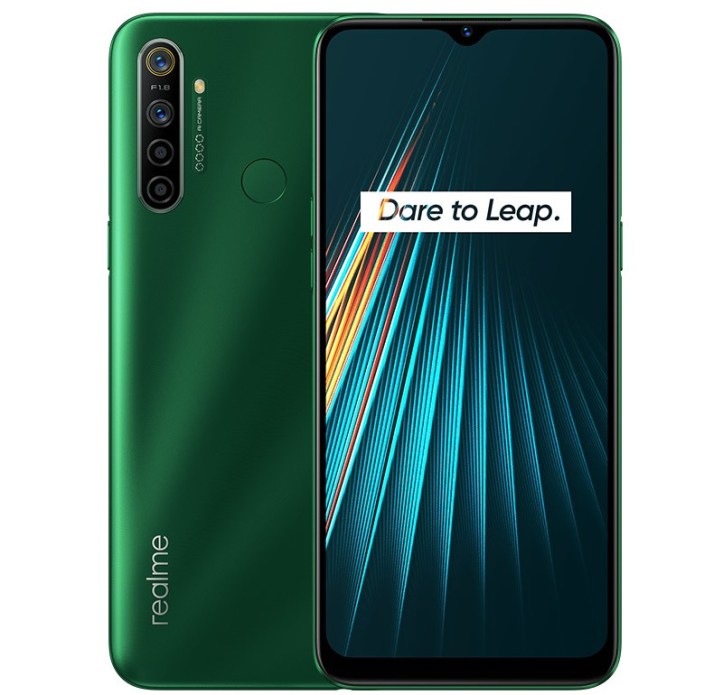
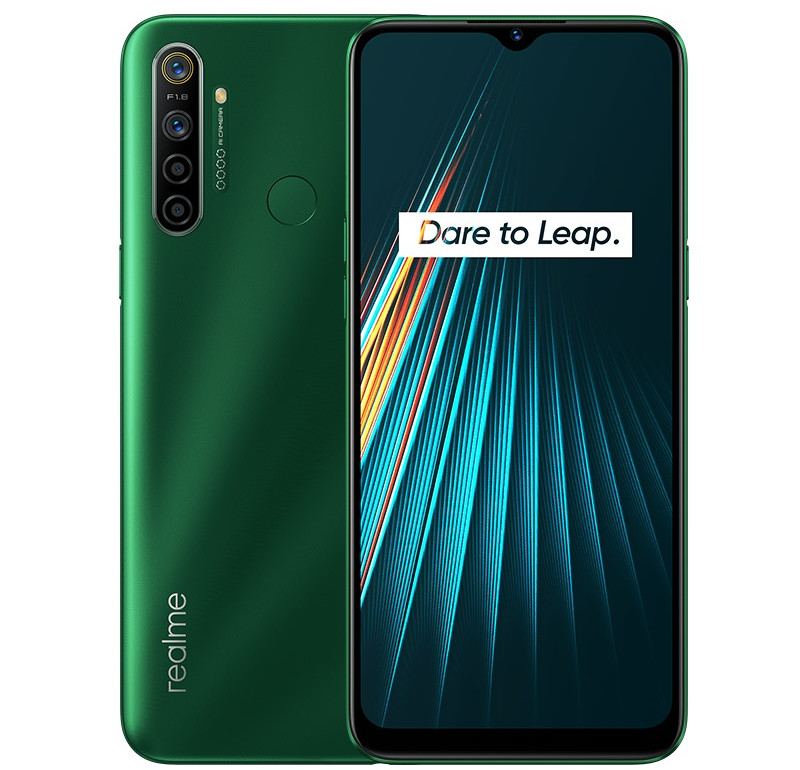
The company launched the Realme 5 smartphone back in August and later launched the Realme 5s smartphone with upgraded cameras recently. After the launch of Realme 5 and Realme 5s, the company is now all set to announce a new smartphone — Realme 5i on January 6th, 2020 in Vietnam.
Realme 5i doesn’t sport the crystal design like the Realme 5 and Realme 5s but looks almost similar to those smartphones. The specifications are also identical to the Realme 5, except for a change in the front camera. The front camera on the Realme 5i is an 8MP shooter, which is a downgrade from Realme 5’s 13MP shooter.
Furthermore, it will come in Blue and Green colors and will be available in 4GB + 64GB option.
Realme 5i specifications
6.5-inch (1600 x 720 pixels) HD+ mini-drop display with Corning Gorilla Glass 3+ protection
4GB RAM, 64GB storage, expandable memory up to 256GB with microSD
Dual SIM (nano + nano + microSD)
ColorOS 6.1 based on Android 9.0 (Pie)
12MP rear camera with Sony IMX386 sensor, f/1.8 aperture, PDAF, LED flash, EIS, 8MP 118° ultra-wide angle lens with 1.12μm pixel size, f/2.25 aperture, 2MP depth sensor and 2MP camera for 4cm macro with 1.75μm pixel size, f/2.4 aperture
8MP front-facing camera
Fingerprint sensor
3.5mm audio jack, FM Radio
Splash resistant
Dual 4G VoLTE, WiFi 802.11 ac, Bluetooth 5, GPS/ GLONASS/ Beidou, Micro USB
5000mAh battery with 10W charging
Realme will unveil this smartphone in Vietnam on January 6th, 2020, and we should know more information regarding the specifications and price.
HMD Global launched the Nokia 4.2 smartphone in India back in May this year after announcing it at MWC 2019. It received multiple price cuts recently and now again, it has received a massive price cut in India
After the price cut, the Nokia 4.2 is now available for Rs. 6999 on Amazon.in, but Flipkart is still selling it at Rs. 9499. It is out of stock on Nokia India eStore as well. In case you missed, Nokia 4.2 launched at Rs. 10,990, got a Rs. 500 price cut in June, and got another price cut in September, and it has been available for Rs. 9499 since. The revised price of Rs. 6999 is expected to be reflected soon on Flipkart and Nokia India eStore as well.
To recall, Nokia 4.2 has a 5.71-inch HD+ waterdrop notch display, is powered by Snapdragon 439 with 3GB of RAM, runs Android 9.0 (Pie), has a 13-megapixel rear camera along with a 2-megapixel secondary camera for portrait shots and an 8-megapixel camera on the front. It has a rear-mounted fingerprint scanner and packs a 3000mAh battery.
Reliance is testing a new e-commerce platform that rivals Flipkart and Amazon
Reliance Industries Ltd. started testing its online shopping portal, moving a step closer to billionaire Mukesh Ambani’s goal of setting up a digital platform to take on e-commerce giant Amazon.com Inc. in India.
JioMart, open to select customers who pre-register, promises more than 50,000 grocery products, free home delivery and a return policy that asks no questions. Labeled ‘the nation’s new store,’ it is currently available in only three neighborhoods surrounding Mumbai, according to the website.
The pilot site provides an early glimpse of how the energy-and-petrochemicals conglomerate controlled by Asia’s richest man is stepping up consumer offerings in a pivot toward newer businesses. With the unveiling of the portal, Reliance Industries will join the battle with Amazon.com and Walmart Inc.’s Flipkart Online Services Pvt. for a slice of an e-commerce market that KPMG says is set to grow to $200 billion by 2027.
Ambani, 62, is giving shape to his online retail ambitions by spending billions of dollars on a string of small acquisitions. The newer businesses, including telecommunications and retail, are likely to contribute 50% of Reliance Industries’ earnings in a few years, from about 32% now, Ambani said in August.
A spokesman for Mumbai-based Reliance Industries declined to provide further details on the retail project.
Previous Project
Ambani’s previous project, which needed almost $50 billion of capital expenditure, is already showing signs of success.
Reliance Jio Infocomm Ltd., the group’s wireless carrier started in 2016, is India’s No. 1 operator today and has more than 350 million users. The company entered the world’s second-largest market by subscribers with free calls and cheap data, forcing some incumbents to exit or merge with rivals.
Ambani is seeking to replicate that success in online retail as well. Terming it “new commerce,” the tycoon said in August that his goal is to “completely transform” India’s unorganized retail market — mostly mom-and-pop stores — which accounts for 90% of the nation’s industry.
“This tech-enabled partnership will link producers, traders, small merchants, consumer brands and consumers,” Ambani told shareholders in August. After beta trials with thousands of merchants across the country showed promise, “we are now getting ready to roll out the platform at a larger scale,” he said.
Reliance Industries has unveiled a sweeping plan to create a $24 billion digital-services holding firm, and also vowed listings of the new businesses within five years.
Betting the plan would unlock value, investors have piled on Reliance Industries shares, sending the stock soaring 36% this year against the 15% advance in the benchmark index. The gains helped Ambani add more than $15 billion to his wealth — the most in Asia — and taking his net worth to almost $60 billion, according to the Bloomberg Billionaires Index.
The arrival of foldable phones was one of the biggest trends that defined the year 2019 for smartphones.
Samsung Galaxy Fold was the first commercially available foldable phone, but it had a tonne of issues.
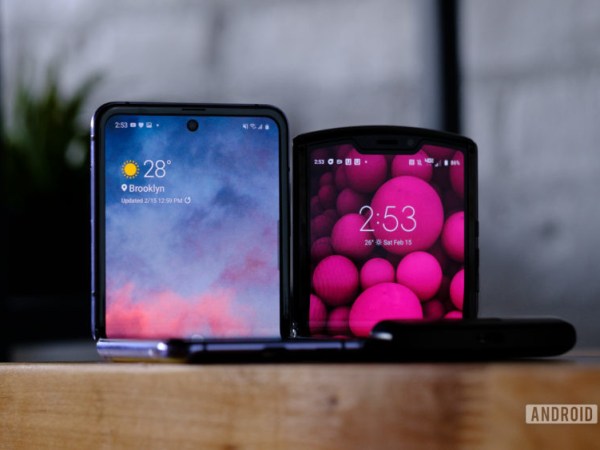
At this very point in 2018, foldable phones existed only in the realm of fancy concept videos and leaked sketches. 2019 started off with a bang, with Samsung announcing the world’s first mainstream foldable phone – the Galaxy Fold. Packing top-of-the-line hardware and a design that would make anyone drool, the Galaxy Fold also impressed us with its versatility and promise of an altogether new smartphone experience. Huawei followed suit with an equally impressive take on the foldable phone idea with the Huawei Mate X. Xiaomi gave us another peek at a rather novel foldable phone design. Later on, Motorola also entered the fray with the Motorola Razr (2019), a foldable phone with the classic Moto Razr DNA.
A host of other smartphone makers are experimenting with the idea of foldable phones as well, most of which are set to materialise next year. Yes, there are problems galore with foldable phones, especially when it comes to durability and pricing. Remember the Galaxy Fold fiasco, the recall, and the relaunch? But then, it was a first-generation product, and as they say, innovation is the by-product of repeated failures. Samsung is already rumoured to launch Galaxy Fold successor early next year, and so does Huawei, sending a clear message that foldable phones are here to stay. Let’s just hope that aside from being more durable and adding new features, they also become a wee bit more affordable next year.
2. Full-screen smartphone design
Full-screen design has slowly begun to gain traction across the flagship and mid-premium segment
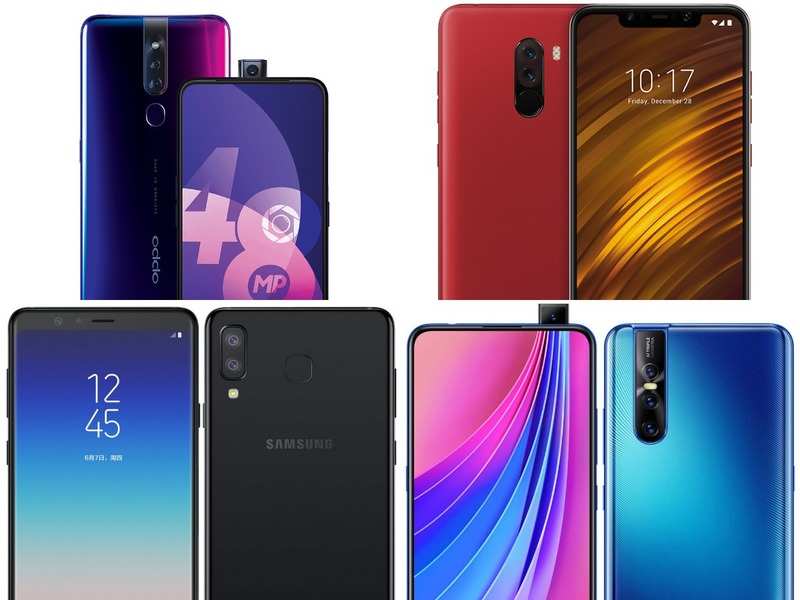
Last year saw the rise of the notch. From flagships to entry-level, the notch was seen on phones across all price brackets. But the pace at which phones embraced the notch design, they abandoned it an equal speed – especially Android flagships. We saw Samsung skip the notch on its flagships, making the jump to the hole-punch design. The hole-punch not only eliminated the notch, it also paved the way for a near all-screen experience. Samsung, Vivo, Motorola, Xiaomi, and Honor have launched a bunch of phones with the hole-punch aesthetics, and come 2020, we’ll see this design on more phones across the flagship and mid-range segments.
Pop-up cameras carried the idea of a full-screen experience from hole-punch forward, and paved the way for a truly uninterrupted design. While pop-up cameras were once exclusive to the ultra-premium phones, the likes of OnePlus 7 Pro, Xiaomi Redmi K20, Realme X, and Oppo K3 brought the price down to sub-Rs. 15,000 range over time. Some smartphone makers tried the slider design, giving us phones like the Xiaomi Mi Mix 3, Lenovo Z5 Pro, Honor Magic 2, Samsung Galaxy A80, and the Oppo Find X. However, the slider form factor didn’t really catch on. We even saw the first in-screen camera solution on an unannounced Oppo phone. Whatever the solution a brand adopts, one thing is clear – smartphones started moving towards the full-screen design with full steam in 2019, and will embrace it widely in 2020.
3. Big strides in smartphone displays
The design and quality of smartphones screens witnessed significant refinements in 2019
But it was not just the design of a smartphone’s display that evolved this year, as they improved in a lot of other areas as well. Notably, panels with 90Hz or 120Hz refresh rate became a talking point and went mainstream, rather than being limited to gaming-centric phones. And even though they consume more battery power, the smoother animations and transition effect is something consumers have started craving for. 2019 also saw AMOLED panels making their way to more phones, be it the high-end or the budget segment. And this was definitely a welcome change.
Moreover, aspects like colour accuracy, brightness, viewing angle, and touch latency saw visible improvements, further refining the quality of smartphone screens. Curved panels are making a comeback, with more smartphone makers adopting it for their high-end phones and upcoming mid-range offerings. We even saw a more radical iteration of the curved display – the Waterfall design – on phones like the Vivo Nex 3, on which almost the entire left and right side of the phone was covered by the display, not even leaving space for the physical power and volume buttons. This implementation looks gorgeous, although it poses some ergonomic and fragility issues.
4. More design experiments
2019 saw smartphone makers experiment with some beautiful gradient designs and colours
There still lingers fear that a majority of smartphones look the same from the front. (This stands true especially for phones with a waterdrop notch). While that is correct to some extent, 2019 saw smartphone makers trying new designs to freshen things up. The holy grail of smartphone design, as concept renders made us believe, was an all-screen solution – and the industry somewhat achieved it this year, at both flagship and mid-range levels. The gradient design became all the rage, with companies trying everything from a subtle colour shift with understated hues to flame-inspired aesthetics (Redmi K20), micro dots, kevlar finish, and geometric patterns. And oh, punchy colours on smartphones made a big splash.
Notably, in-display fingerprint sensors became much more accessible. The front shooter moved between the notch, hole punch, a sliding module, and a pop-up camera, while the number of rear cameras kept increasing the size of the module at the back. We even saw rectangular camera lenses that used the novel periscope mechanism for optical zoom. Radically curved display (also called Waterfall design) covering the entire sides, pressure-sensitive volume controls with haptic feedback, the returning side-mounted fingerprint scanner, better vibration motors, improved cooling technology were design changes that characterised smartphone design trends this year. And even though there was nothing as radical as Motorola’s Project Ara, things have not been boring either.
5. Big improvement in phone cameras
The camera capabilities of smartphones saw impressive growth in 2019
Smartphone cameras recorded somewhat of a quantum leap in 2019. We started the year with 48-megapixel cameras, jumped the gun to 64-megapixel, and then ended at 108-megapixel sensors, all on commercially available phones. Multi-camera setups became a norm, and even phones that cost around Rs. 10,000 started packing four rear cameras that click social media-ready photos. Night mode became the talk of the town, and although the difference in its implementation varied significantly between the top-tier phones and low-end segment, its widespread availability was definitely a plus. Computational photography came to the forefront, and Google Camera mods became all the rage for users who didn’t like the stock camera app on their phones.
A dedicated macro camera and wide-angle snapper became one of the must-haves on any smartphone that makes bold promises about its photography prowess. Higher-end phones went big with telephoto lenses with optical zoom, promising detailed long-range shots. Periscope camera modules made their way to smartphones as well, improving zooming capabilities. Optical zoom went from 2x to 6x on phones in a year, accompanied by claims of ‘lossless’ 10x hybrid zoom on the likes of Oppo Reno 10x Zoom Edition or regular 20x hybrid zoom, and digital zoom as high as 60x. Sensor size increased, and so did capabilities of smartphone cameras, paving the way for high-resolution photos and super slo-mo video capture at an astonishing 7680fps on the Huawei Mate 30 Pro.
6. Battery tech advancements
Battery charging output of smartphones went as high as 65W this year, which is quite impressive
Until last year, fast charging was a commodity that was exclusive to flagships or high-end phones. That changed in 2019. Take for example the Redmi Note 7 Pro, which was launched in the first quarter and offered Quick Charge 4.0 support with a 10W peak output. Subsequently, Xiaomi and rivals Realme, Vivo, Oppo, and Samsung not only launched cheaper phones with fast charging, but also amped up the charging wattage to juice them up even quicker. Take for example the Realme X2 Pro, which starts at Rs. 29,999 and comes with support for 50W VOOC Flash Charge technology.
While the presence of fast charging has become mainstream in 2019, the technology has also made big strides. From 10W, smartphone makers eventually graduated to 15W, 18W, 25W, 30W, 45W, 50W, and all the way to 65W, as seen on the Oppo Reno Ace. The streak will carry forward to 2020, as Xiaomi has already promised that 100W Super Charge Turbo Fast Charging Technology is coming to smartphones next year. And even though graphene batteries didn’t materialise in 2019, advancements in smartphones design also ensured that the battery capacity kept going up this year.
7. Software got leaner and feature-rich
Smartphone software got leaner and more feature-rich as 2019 progressed
Coming to the software side of things, 2019 marked a drastic change in how custom Android skins looked and the features they offered. One of the key appeals of vanilla Android is the clean interface, and with consumers gravitating towards such a UI, smartphone makers took notice. Samsung was the first one to comply, introducing the much refined One UI that focused on minimalist aesthetics and more accessibility. Oppo made similar strides with ColorOS 7, and even added a tonne of new useful features that users will appreciate. Realme went a step ahead and announced a custom version of ColorOS 7 for its phones that will be closer to stock Android
Features such as screen recording, Zen Mode, dedicated game launcher, and game booster became more prevalent. But despite the addition of new features, the overall software got leaner with less pre-installed bloatware. A good example is ZenUI, which essentially feels like stock Android on the Asus 6Z. And even though the likes of Funtouch OS and MIUI have a long way to go, Vivo and Xiaomi have tried to tone down the garish design and remove the bloatware as much as possible. The cream-of-the-crop, OxygenOS, kept getting better in the meanwhile.
8. People got more conscious about software updates
There is now more focus on long-term software support and regular updates by companies
With software becoming leaner and cleaner, smartphone users also became more aware of the importance of regular updates, Android security patches, and more. Additionally, the user community also became more active at reporting bugs and asking smartphone makers to resolve them quickly. OnePlus takes the crown in this domain, as the company not only has a very active community of passionate users, but also rolls out OxygenOS updates at a relatively quick pace. Now, it goes without telling that software updates bring new features. But more importantly, they fix the issues that have been plaguing smartphone users.
Regular updates mean users don’t have to live with an issue for a long time, which is why phased rollouts have become almost ubiquitous. A higher percentage of users now participate in beta-testing apps, games, and OS builds, playing a more active role in developing new features or refining existing ones than ever before. A promise of long-term software update now plays a bigger role in buyers’ decision before going with a particular brand, and companies too have now become more proactive at ensuring software support for a longer span of time to sell phones.
9. Cheap data changed the game
Cheap data gave a major push to mobile gaming and content streaming
There is no doubt that smartphones evolved significantly in 2019. Be it design, hardware, or capabilities, innovation happened at a breakneck pace. But at the same time, smartphone usage pattern changed significantly as well, and it was predominantly driven by cheaper data, especially in India. The explosion in the popularity of online games such as PUBG Mobile, Fortnite, and Call of Duty: Mobile was undoubtedly driven by cheap data. And this love for mobile games also gave a big push to the gaming phone market, because there was an actual demand for such spec-heavy, overpowered phones. Also, e-sports tournaments for mobile games finally gained traction, especially in India.
But mobile gaming is just one of the trends that caught on big time due to cheap mobile data. With unlimited plans that offer 1GB data or more at a relatively low price, smartphone users got hooked to streaming online content on platforms like YouTube, Netflix, Amazon Prime, and Hotstar. The potential here is so huge that Netflix launched mobile-only plans at a price cheaper than any other region in the world. Music streaming also skyrocketed, as Spotify, Wynk, YouTube, and Amazon Music gained widespread popularity. These content consumption habits also influenced smartphone makers to improve the quality of audio-visual hardware on their phones.
10. Mobile-first apps cemented people’s connections with phones
Mobile-first apps, especially social media platforms, enhanced users’ engagement with their phones
Our smartphones have become more than just communication devices. From serving as cameras and media consumption hubs to smart home control and learning, the use case scenarios are simply vast. But above it all, they have become a medium of self-expression, with apps like TikTok, Snapchat, and Instagram emerging as the major platforms to do so. Far from being just a stage to keep up with friends and their activities, these apps are where people express their creative freedom unhinged to hilarious, and sometimes cringeworthily, results. And in doing all this, these apps have further cemented people’s connection with their phones.
With the apps continuously evolving and introducing new tools and features, people are now more engaged with their phones than they have ever been before. Smartphone makers have also realised the same, and keep tweaking and improving their phones’ hardware to let people make the most of these platforms. Macro cameras for social media-worthy close





















![OnePlus expected to unveil a new concept device on March 3 [Updated]](https://geekspot.tech.blog/wp-content/uploads/2020/03/3abfb-pzd11ryn.jpeg?w=800&h=600&crop=1)












![Realme band with AMOLED screen launching in India on March 5 [Updated: New Colors, Cricket Mode, IP68 Rating]](https://geekspot.tech.blog/wp-content/uploads/2020/03/1bcab-realme-band-1024x629-1.jpg?w=800&h=600&crop=1)









 GeekSpot