Realme’s first true wireless Buds Air finally launched in India for Rs 3,999: Know More

Realme launches Apple AirPods lookalike headphones, Buds Air: Here’s how it compare to rivals from OnePlus, JBL, Motorola and Nokia

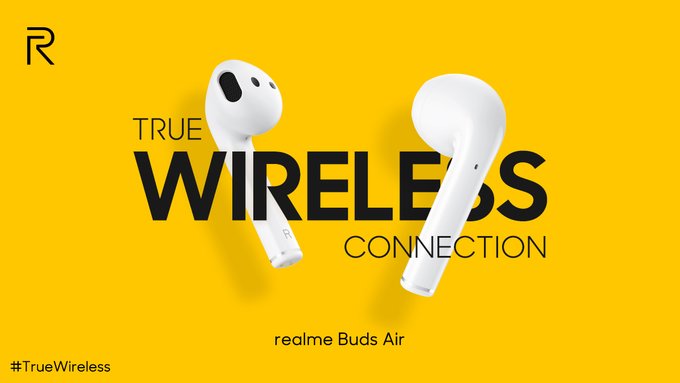
Realme on Tuesday launched its much-hyped true wireless earbuds, the Buds Air along side the new smartphone, Realme X2. The Chinese smartphone maker has been raving about their entry into wireless ear buds for sometime now before finally unveiling the product today.

Wonder how it compares to wireless headphones from rival brands like OnePlus, Nokia, JBL and Motorola. Read on to find out.

Realme Buds Air: Up to 3 hours of usage time on a single charge; total of 17 hours with charging case. Each Realme Air Bud weighs 4.16gm, Has IP68 rating
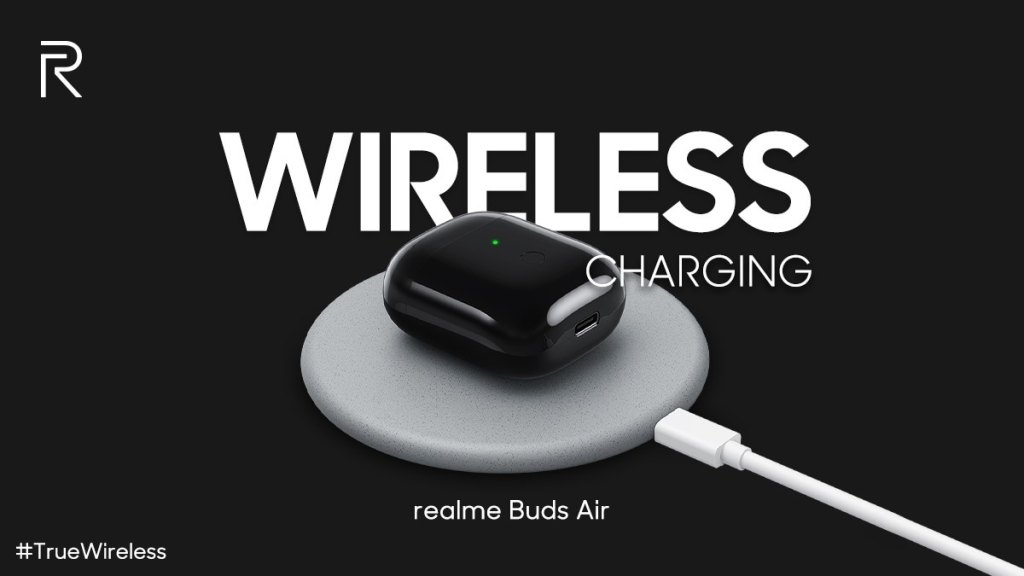
Only Realme Buds Air offer wireless charging support

OnePlus Bullets Wireless 2: Up to 14 hours of usage on a single charge. Weighs 308 gm
Water/Dust resistant – No
Price – Rs 5,990

Motorola Verve Buds 500: Up to 3 hours of usage in a single charge; total of 9 hours with charging case, weighs 4.5gm, Water/Dust resistant – No
Currently available at Rs 3,499

JBL Tune 120TWS wireless in-ear headset: Up to 4 hours of usage in a single charge; a total of 16 hours with charging case, weighs 4.5gm,
IP rating unspecified but it is water resistant
Currently available at Rs 6,499

Nokia True Wireless Earbuds: Up to 3.5 hours of usage in a single charge; total of 12 hours with charging case, weighs 5gm, IPX4 rated
Currently available at Rs 6,789

Realme Buds Air price in India:

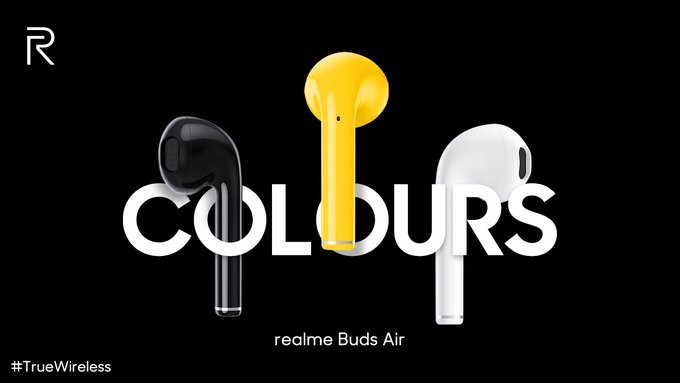
Resembling the design of Apple’s Airpods, the Buds Air carries a much less price tag of Rs. 3,999 and comes in three attractive colours – black, yellow and white. The wireless buds will go on live on sale on 20 December, 2019 at 2 pm on Flipkart and Realme.com (Next sale Dec 23, 12pm). The Realme Buds Air is currently the cheapest true wireless with wireless charging support earbuds available in the Indian market.

Realme Buds Air specifications:

The Realme Buds Air is currently the cheapest true wireless with wireless charging support earbuds available in the Indian market. According to company claims, the Buds Air has the capacity to last for up to 17 hours of music play.

The earbuds are powered by custom R1 chip and Bluetooth 5.0 connectivity, especially designed for gamers who love their siund effects, to say the least. Apart from that, the earbuds come with a significant low-latency mode and reduces latency by 51% when you’re playing a game. Latency is the short delay between an audio signal being sent and when you can hear it. You won’t notice it when listening to music, but if you’re watching a video or playing a game, it can cause the sound to be out of sync with the picture.

Other important features include the ENC (Environment Noise Cancellation) technology to provide noise-free audio experience.

Moreover, the Buds Air also houses touch controls that users can enebale to answer and disconnect calls, switch music, and activate gaming mode.

Below is the break up of the various controls:

Double-tap: Answer a call; play/pause music playback.

Triple-tap: Skip to next song.

Press and hold one side: Launch voice assistant; end/decline a call;

Press and hold both sides: Enter/exit Gaming Mode.

Go Top

Something went wrong. Please refresh the page and/or try again.

https://pagead2.googlesyndication.com/pagead/js/adsbygoogle.js

Mi No. 1 Fan Sale by Xiaomi (Dec 19-25) With Discounts on Redmi K20 Pro, Redmi Note 7 Pro and More

Xiaomi has announced the “No. 1 Mi Fan Sale” to mark the end of 2019, offering a wide range of smartphones across all price brackets, wearables, and smart home accessories at discounted price points. 

The sale will kick off on December 19 and will go on through December 25 via the official Mi.com website, Mi Home stores, Flipkart, Amazon, and authorised retail outlets across the country. Xiaomi will also conduct flash sale for some of its accessories that will offer even bigger price cuts than their asking price during the Mi No. 1 Fan sale.

The Mi No. 1 Fan sale starts December 19, and the special flash sales also start the same day. However, the flash sale for Xiaomi’s accessories and smart home products will only be conducted at 10am, 4pm and 6pm each day, and will end on December 23, two days before the Mi No. 1 Fan sale comes to an end. Aside from limited-time price cuts, banking discounts, cashback offers, and no-cost EMI plans are also on the table.

Talking about price cuts, the flagship Redmi K20 Pro will be available starting at Rs. 24,999 during the Mi No. 1 Fan sale, with an additional bump up exchange discount worth Rs. 2,000 in tow. Xiaomi has also brought the price of Redmi Note 7 Pro to an all-time low of Rs. 9,999 for its base variant, and is also offering an additional exchange discount worth Rs. 1,000 on the phone. The Redmi 7A, Redmi K20, Poco F1, and Xiaomi Mi A3 are among the other phones will also be up for grabs at discounted price points.

PhoneNo. 1 Mi Fan Sale PriceExchange Discount
Redmi Note 7 Pro (4GB+64GB)Rs. 9,999
Redmi Note 7 Pro (6GB+64GB)Rs. 12,999Rs. 1,000
Redmi Note 7 Pro (6GB+128GB)Rs. 14,999Rs. 1,000
Redmi K20 Pro (6GB+128GB)Rs. 24,999Rs. 2,000
Redmi K20 Pro (8GB+256GB)Rs. 27,999Rs. 2,000
Redmi K20 (6GB+64GB)Rs. 19,999Rs. 2,000
Redmi K20 (6GB+128GB)Rs. 22,999Rs. 2,000
Redmi 7A (2GB+16GB)Rs. 4,999
Redmi 7A (2GB+32GB)Rs. 5,499
Mi A3 (4GB+64GB)Rs. 12,499Rs. 1,000
Mi A3 (6GB+128GB)Rs. 15,499Rs. 1,000
Poco F1 (6GB+128GB)Rs. 14,999
Poco F1 (8GB+256GB)Rs. 18,999
Redmi Note 7S (3GB+32GB)Rs. 8,999
Redmi Note 7S (4GB+64GB)Rs. 9,999
Redmi Y3 (3GB+32GB)Rs. 7,999
Redmi Y3 (4GB+64GB)Rs. 9,999
Redmi 7 (2GB+32GB)Rs. 6,999
Redmi 7 (3GB+32GB)Rs. 7,999
Redmi Go (1GB+8GB)Rs. 4,299
Redmi Go (1GB+16GB)Rs. 4,499

In addition to the phones mentioned above, Xiaomi will also offer accessories such as the Mi Smart Bulb, Mi Sports Bluetooth Earphones Basic, and the Mi Band 3 at lower price points during the Mi No. Fan sale. The table below outlines the offers on Xiaomi accessories during the sale, as well as their reduced price during the flash sales:

ProductsNo. 1 Mi Fan Sale PriceFlash Sale Price
Mi LED Smart BulbRs. 1,299Rs. 899
Mi Compact Bluetooth Speaker 2Rs. 799Rs. 499
Mi Sports Bluetooth Earphones BasicRs. 1,499Rs. 999
Mi Home Security Camera Basic 1080PRs. 1,799Rs. 1,299
Mi AirPOP PM2.5 Anti-Pollution Mask (Pack of 2)Rs. 249Rs. 149
Mi Focus CubeRs. 199Rs. 99
Mi Truck BuilderRs. 1,499Rs. 999
Mi Dune Buggy BuilderRs. 1,499Rs. 999
Mi Rollerball PenRs. 179Rs. 99
Mi Bluetooth Speaker Basic 2Rs. 1,599
Mi EarphonesRs. 599
Mi Band 3Rs. 1,599
Mi Neckband Bluetooth EarphonesRs. 1,499
Mi Super Bass Wireless HeadphonesRs. 1,599
Mi Men’s Sports Shoes 2Rs. 2,499
Mi Air Purifier 2Rs. 5,999
Mi Car ChargerRs. 499
Mi Router 3CRs. 499
Mi WiFi Repeater 2Rs. 399
Mi In-Ear Headphones BasicRs. 199
Mi USB Cable 80 cm (Fast Charging)Rs. 49

Go Top

https://pagead2.googlesyndication.com/pagead/js/adsbygoogle.js

iPhone 12 Shock As Six ‘All-New’ Apple iPhones Revealed

We know a lot about Apple’s 2020 iPhone plans. Or we thought we did, because new information just blew expectations out of the water.

12/12 Update: MacRumors has obtained a new research note from acclaimed Apple insider Ming-Chi Kuo which reveals 5G versions of the iPhone 12 are unlikely to see a major price increase. This is due to the company leveraging efficiencies in its supply chain and shifting more research and development in-house. If Kuo is correct (and he usually is), this is a huge win for Apple fans and could be sizeable differentiator compared to 5G Android rivals.

12/15 Update: TrustedReviews reports that Apple has bought Spectral Edge, a UK-based imaging company which using infrared and machine learning to improve the detail and white balance of photos. While this is clearly an acquisition to boost iPhone photography in the long time, the site suggests the technology could make it into the iPhone 12. It will not.

In a private note to investors attained by AppleInsider, analyst Jun Zhang of international brokers Rosenblatt Securities revealed that Apple plans to launch no less than six iPhone 12 models next year including both Plus and Max versions. The company breaks down the models as follows:

  • iPhone 12 4G: 6.1-inch LCD, dual cameras
  • iPhone 12 Pro 4G: 5.4-inch OLED, dual cameras
  • iPhone 12 Pro 5G: 5.4-inch OLED, dual cameras
  • iPhone 12 Pro Plus 4G:  6.1-inch OLED, triple cameras, Time-of-Flight 3D sensing capabilities
  • iPhone 12 Pro Plus 5G:  6.1-inch OLED, triple cameras with ToF
  • iPhone 12 Pro Max 5G: 6.1-inch OLED, triple cameras with ToF

Intriguingly, Zhang states that 5G iPhones will have a “number of different components entirely” compared to their 4G counterparts but he doesn’t expand on this. All models, he adds will get faster wireless charging speeds. 

Three Takeaways, Two Questions

Looking at the Rosenblatt report, I’m struck by three things: 

1. Apple is wise to offer 4G and 5G versions of its phones, because 5G adds a significant price premium and 5G will has very limited availability in most countries around the world. 

2. Apple is shrinking the iPhone 12 Pro down to a truly pocketable, one-handed size which many will welcome.

3. The new line-up will prove extremely confusing to many buyers. Even more because of the imminent arrival of the iPhone SE2, a new iPhone 8-styled phone with Apple’s latest A13 chipset, which is expected to be called the iPhone 9. 

As for my questions, personally, I’m shocked Apple is considering restoring the Plus brand – it seems like marketing suicide. While I suspect Zhang made a typo when referring to the iPhone 12 Pro Max size as 6.1-inches. My understanding is Apple will actually increase the size of the Max from 6.5 to 6.7-inches thanks to an even slimmer bezel. 

In addition to these things, Apple fans can also look forward to the following upgrades in the iPhone 12 range: an upgraded design120Hz ProMotion displays, the end of the Lightning port, the return of Touch ID and some incredible 3D camera tricks

Yes, Apple may have its fair share of problems right now. But after two iterative iPhone generations, it’s clear Apple fans should be getting excited about 2020. 

Go Top

https://pagead2.googlesyndication.com/pagead/js/adsbygoogle.js

DMRC Has Introduced E-Bicycle Service At 2 More Station For Green Last-Mile Connectivity

Last-mile connectivity has been a big issue for all Delhi Metro passengers

Recently the DMRC introduced e-bicycles at two more stations to make it easier for the commuters to reach their final destinations. We all know how the authority has been a boon to all us Dilliwalas and with this new initiative, they’ve made it to our list of absolute fave things about the city!

A Green Initiative | So, Delhi Metro has extended its e-bicycle service to Malviya Nagar and Saket Metro Stations, under the Yellow Line and we couldn’t have asked for more. A Gurgaon-based e-scooter startup named Mobycy Zypp has collaborated with DMRC for the same. Making last-mile connectivity more eco-friendly, the folks at Delhi Metro have deployed more e-rickshaws and e-bikes & have set up bicycle stands at various metro stations across their thriving network.

This awesome development will help decongest and make the city a little less polluted. Do hop on to these fun and green e-bicycles the next time you exit Malviya Nagar or Saket Metro Stations!

Sourced Via Livemint

Go Top

https://pagead2.googlesyndication.com/pagead/js/adsbygoogle.js

HONOR AM115 half in-ear earphones launched in India for Rs. 399, Available via Amazon on Dec 16

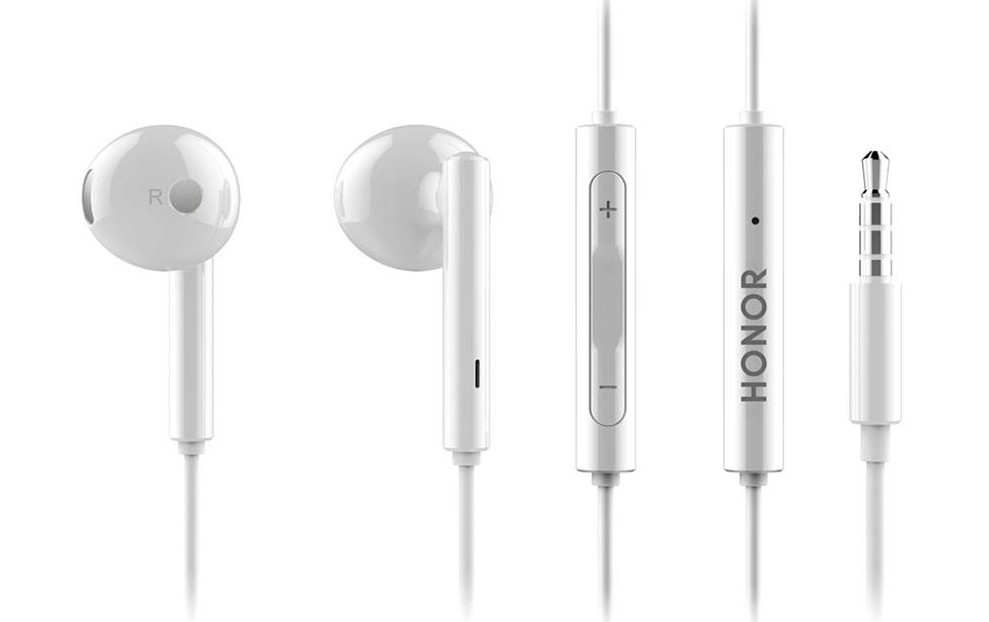
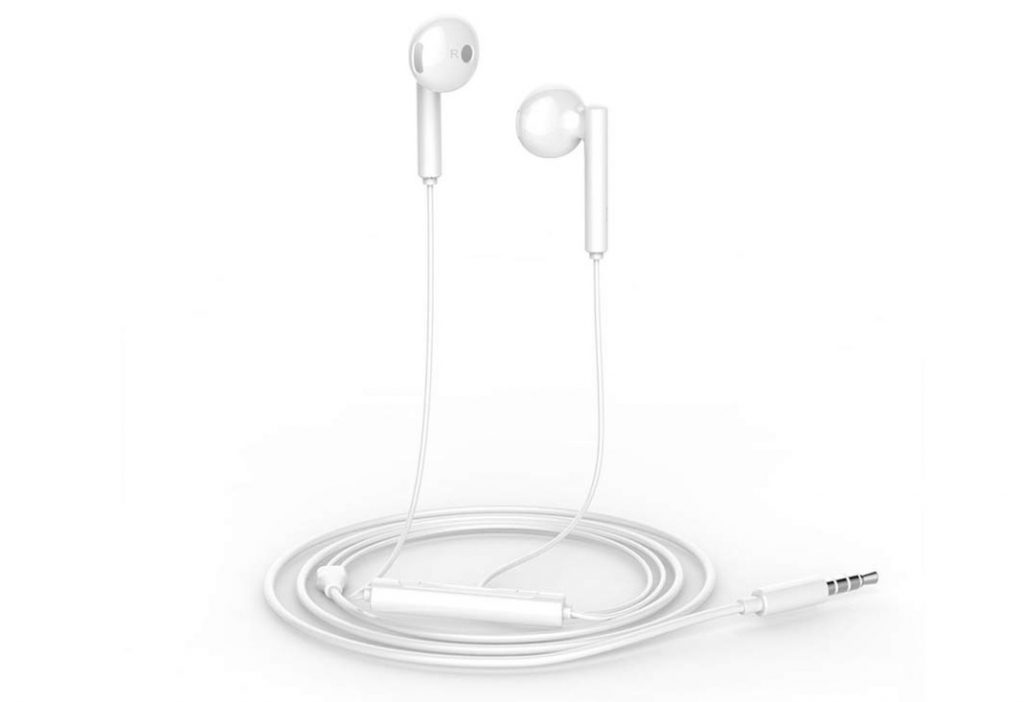
HUAWEI’s HONOR brand is expected to launch new smartphones in India soon, but in the meantime now, the company has launched its new half wired in-ear style earphones – HONOR AM115 in India.

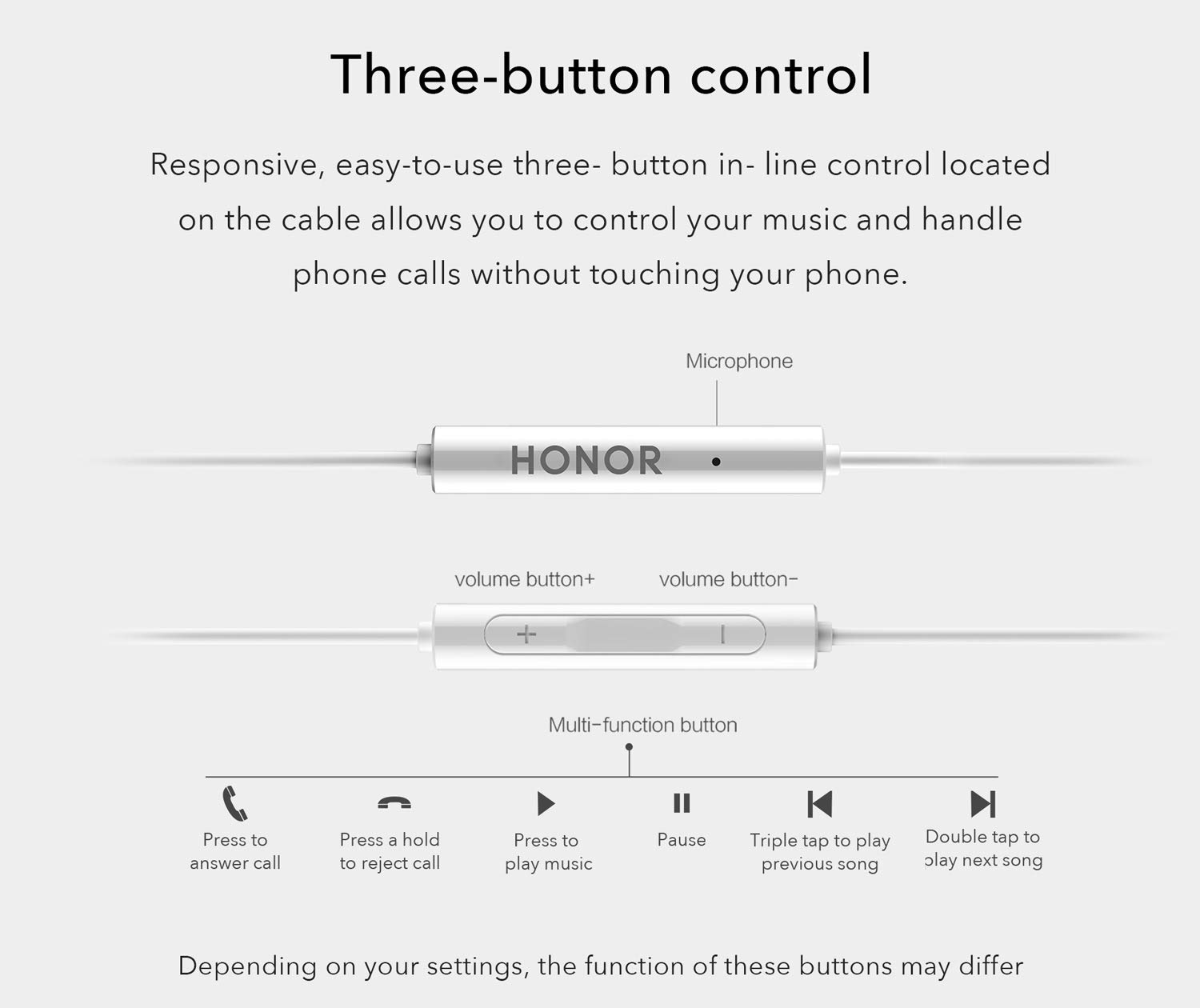
HONOR AM115 in-ear style earphones is made of plastic and combine the merit of both in-ear and traditional earphones, and these have a comfortable fit. It has rear air vents for better mid-range performance and air intake vent for enhanced bass. The AM115 also features a microphone, three-button control that allows you to control playback and handle calls. HONOR says that the AM115 has been subject to 69 stringent testings, including drop tests, tension tests, button-pressing tests, and temperature tests.

This product comes in a single white color, is priced at Rs. 399 and will go on sale on 16th December 2019 on Amazon.in.

Go Top

https://pagead2.googlesyndication.com/pagead/js/adsbygoogle.js

Xiaomi may lose top spot in Indian smartphone market in 2020

At the end of the first quarter of 2019, Xiaomi had a market share of 30.6%, far ahead of Samsung

From 6% market share in Q1 of 2019, Realme grabbed 14.3% market share at the end of Q3

Chinese smartphone maker Xiaomi is confident that it will be able to retain its No. 1 position in the Indian smartphone market next year too, but industry experts believe that the country may see a different winner in 2020.

At the end of the first quarter of 2019, Xiaomi had a market share of 30.6%, far ahead of Samsung, which took the second spot with a share of 22.3%, according to an International Data Corporation (IDC) report.

But by the third quarter of 2019, Xiaomi’s market share fell to 27.1%. Samsung too experienced a decline as its share went down to 18.9%, IDC data showed.

“Given the remarkable Q3 2019 strides made by the BBK (parent company of OPPO, Vivo, Realme and OnePlus) brands in India, Xiaomi would need to be wary of the rising competition and the decline in its market share. In the first three quarters of 2019, Xiaomi lost 3% market share,” Prabhu Ram, Head-Industry Intelligence Group (IIG), CyberMedia Research (CMR), said.

Out of the BBK Group brands, Realme’s rise in the Indian smartphone market has been truly spectacular. From 6% market share in Q1 of 2019, it grabbed 14.3% market share at the end of Q3.

Vivo also witnessed its fair share of growth this year. Its share rose from 13% in Q1 to 15.2% in Q3. OPPO did even better than Vivo in terms of growth. OPPO’s share grew from 7.6% in Q1 to 11.8% in Q3, according to IDC.

“As per our estimates, 49% of the sales of smartphones in 2020 will be in the basic segment ( ₹5,001 to ₹10,000) where Xiaomi is still strong,” said Faisal Kawoosa, Founder and Chief Analyst at market research firm techARC.

“The other major chunk is mid-segment ( Rs. 10,001 to 25,000). Here we have increasingly good number of strong players emerging like Realme, OPPO and Vivo. This segment will sell 44% of smartphones,” Kawoosa said.

Speaking of Xiaomi’s prospects of retaining the No.1 position next year, he said that “looking at the potential and how Xiaomi is positioned, it seems difficult for the brand to retain the honours.”

“It is now on a defensive mode,” he added.

“As Realme comes with new offerings in the mid-tier and premium segment, and OPPO and Vivo also unveil plans to go premium, Xiaomi faces an uphill battle,” Ram agreed.

To retain their numero uno position, Xiaomi would need to go beyond its existing brand imagery and also consolidate its offline play, Ram said.

“Xiaomi has been able to build on their offline play by building their own chain of Mi Stores, apart from their non-exclusive network of Mi Preferred Partners,” he added.

But if Xiaomi loses the top spot in the Indian smartphone market, which brand will replace it?

While CMR’s Ram thinks that the question is “wide open right now”, Kawoosa believes that Samsung could resurface as the leader.

“It will take other challenger brands time to cross the 20% mark and eventually aspire to become No 1. In that case, Samsung could resurface as the leader while Xiaomi’s share is being eaten up by Realme and others,” he said.

Ram, however, warned that one cannot underestimate the potential of Realme.

“Realme looks promising and with aggressive strategies, it is potentially well-placed to scale new heights, as long as it is able to avoid inventory glut,” Ram said.

According to IDC, India’s smartphone market shipped a record 46.6 million units in the third quarter of 2019, registering 26.5% quarter-over-quarter and 9.3% year-over-year growth.

This story has been published from a wire agency feed without modifications to the text.

Go Top

https://pagead2.googlesyndication.com/pagead/js/adsbygoogle.js

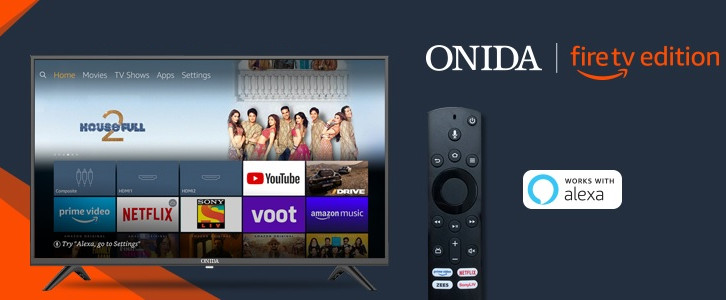
Onida Fire TV Edition 32-inch HD and 43-inch FHD Smart LED TVs with Alexa voice remote launched in India starting at Rs. 12999

Amazon just launched Onida Fire TV Edition 32-inch HD and 43-inch Full HD smart TVs in India. 

These TVs run Fire OS compared to Android, yet it supports Prime Video, Hotstar, Netflix, YouTube, Sony Liv, Zee5, Sun Nxt and more, similar to a Fire TV stick says Amazon. With the voice remote, you can just ask Alexa to search for and watch from a vast catalog of streaming TV shows and movies. You can also Pair Fire TV Edition TV with any Echo device for a truly hands-free voice experience.

Onida Fire TV Edition (32″ and 43″) specifications

  • 32-inch (1366×768 pixels) HD LED display with 178-degree viewing angle
  • 43-inch (1920×1080 pixels) display with 178-degree viewing angle, 1200:1 contrast ratio, 300 nits brightness
  • Lucent Picture Engine Technology offers Rich High Definition Picture clarity
  • Quad-Core Cortex A53 processor with Mali-450 GPU
  • 1GB RAM, 8GB storage
  • Fire OS
  • Alexa support
  • WiFi 802.11 b/g/n, MiraCast, Bluetooth 4.2, 3 x HDMI, 1 x USB, AUX Port
  • 2 x 8W Stereo speakers, Dolby-DTS

The Onida Fire TV Edition 32-inch is priced at Rs 12,999 and the 43-inch Full HD model costs Rs. 21,999. It will go on sale on Amazon starting from December 20th. The company says this is an introductory price and will also offer cashback for the sale.

Commenting on the launch, Parag Gupta, Head of Amazon Devices India, said:

We are very excited to bring the complete Fire TV experience on Onida TVs in India. With Fire TV Edition’s excellent picture quality and immersive sound experience, customers can enjoy all their favorite content in one place, whether its streaming content from popular apps like Prime Video, Hotstar, Sony Liv, Zee5 and more, or switching to DTH/cable connection for live TV. We have sold millions of Fire TV Stick in India and can’t wait to hear from our TV customers about their experience with Onida Fire TV Edition.

Sunil Shankar, Business Head, MIRC Electronics Ltd. (Onida), said:

Onida is excited to work with Amazon to bring the Fire TV experience to India. We have over 38 years of experience building TVs in India and the Onida Fire TV Edition brings superior picture quality and sound output to customers, at affordable prices.

Other Posts

Go Top

https://pagead2.googlesyndication.com/pagead/js/adsbygoogle.js

Vivo Z1 Pro powered with Qualcomm Snapdragon 712 processor gets price cut in India, now available starting at Rs. 13990

Vivo launched the Z1 Pro smartphone with Qualcomm Snapdragon 712 processor, 32MP in-display front camera earlier this year in India

Last month, the Z1 Pro got up to Rs. 2000 permanent price cut and now, Vivo Z1 Pro has got another price cut in India.

Vivo launched the Z1 Pro smartphone with Qualcomm Snapdragon 712 processor, 32MP in-display front camera earlier this year in India. Last month, the Z1 Pro got up to Rs. 2000 permanent price cut and now, Vivo Z1 Pro has got another price cut in India.

Vivo Z1 Pro 4GB RAM with 64GB storage variant is now available at Rs. 13,990, against its previous price of Rs. 15,990. The 6GB RAM with 64GB variant is now available at Rs. 14,990, against its previous price of Rs. 17,990. The top-end model with 6GB RAM with 128GB storage is available at Rs. 15,990 against a price of Rs. 17,990 .They are all available at new rates from Flipkart.

Model NameOld PriceRevised PricePrice Drop
Vivo Z1 Pro 4GB+64GBRs. 15,990Rs. 13,990Rs. 2000
Vivo Z1 Pro 6GB+64GBRs. 14,990Rs. 17,990Rs. 3000
Vivo Z1 Pro 6GB+128GB Rs. 15,990 Rs. 20,990 Rs. 5000

To recall, Vivo Z1 Pro has a 6.53-inch Full HD+ display, is powered by  Snapdragon 712  SoC with up to 6GB of RAM, has a 16-megapixel rear camera, 8-megapixel 120° ultra-wide sensor, 2-megapixel depth-sensing camera, 32-megapixel in-screen camera, 4D gaming experience with real-time recognition of the game scene, gradient back in some color variants, rear-mounted fingerprint sensor, and packs a 5000mAh battery with support for 18W fast charging.

Something went wrong. Please refresh the page and/or try again.

Go Top

https://pagead2.googlesyndication.com/pagead/js/adsbygoogle.js

Samsung Galaxy A71 vs Redmi K30 vs Oppo K5: Specs Comparison

Samsung announced its new Galaxy A (2020) series and launched two devices from the new line-up: Samsung Galaxy A71 and A51.

The former is the higher-end handset and it has upper-midrange specifications. It is very interesting because of its camera quality and overall performance, so we decided to compare it with another newly-announced device. We are talking about the Redmi K30 in its 4G variant, another potential best-seller, given its very affordable price. Last but not least, we decided to add another device that has already been in the Chinese market for a while: the upper-midrange Oppo K5 with a very well-balanced specs sheet.

Samsung Galaxy A71 vs Xiaomi Redmi K30 vs Oppo K5

Features Xiaomi Redmi K30 Samsung Galaxy A71 Oppo K5
DIMENSIONS AND WEIGHT165.3 x 76.6 x 8.8 mm, 208 grams163.6 x 76 x 7.7 mm, 179 grams158.7 x 75.2 x 8.6 mm, 182 grams
DISPLAY6.67 inches, 1080 x 2400p (Full HD+), 395 ppi, IPS LCD6.7 inches, 1080 x 2400p (Full HD+), 393 ppi, Super AMOLED6.4 inches, 1080 x 2340p (Full HD+), 402 ppi, Super AMOLED
PROCESSORQualcomm Snapdragon 730G, octa-core 2.2 GHzQualcomm Snapdragon 730, octa-core 2.2 GHzQualcomm Snapdragon 730G, octa-core 2.2 GHz
MEMORY6 GB RAM, 64 GB – 6 GB RAM, 128 GB – 8 GB RAM, 128 GB – 8 GB RAM, 256 GB – micro SD slot6 GB RAM, 128 GB  – 8 GB RAM, 128 GB – micro SD dedicated slot 6 GB RAM, 128 GB – 8 GB RAM, 128 GB – 8 GB RAM, 256 GB – micro SD dedicated slot
SOFTWAREAndroid 10, MIUIAndroid 10, One UIAndroid 9 Pie, ColorOS
CONNECTIVITYWi-Fi 802.11 a/b/g/n/ac, Bluetooth 5, GPSWi-Fi 802.11 a/b/g/n/ac, Bluetooth 5, GPS Wi-Fi 802.11 a/b/g/n/ac, Bluetooth 5, GPS
CAMERAQuad 64 + 8 + 2 + 2 MP f/1.9, f/2.2, f/2.4 and f/2.4
Dual 20 + 2 MP f/2.2 and f/2.4 front camera
Quad 64 + 12 + 5 + 5 MP f/1.8, f/2.2, f/2.4 and f/2.2
32 MP f/2.2 front camera
Quad 64 + 8 + 2 MP f/1.8, f/2.4, f/2.4 and f/2.4
32 MP f/2.0 front camera
BATTERY4500 mAh, fast charging 27W4500 mAh, fast charging 25W4000 mAh, fast charging 30W
ADDITIONAL FEATURESHybrid Dual SIM slotDual SIM slotDual SIM slot

Design

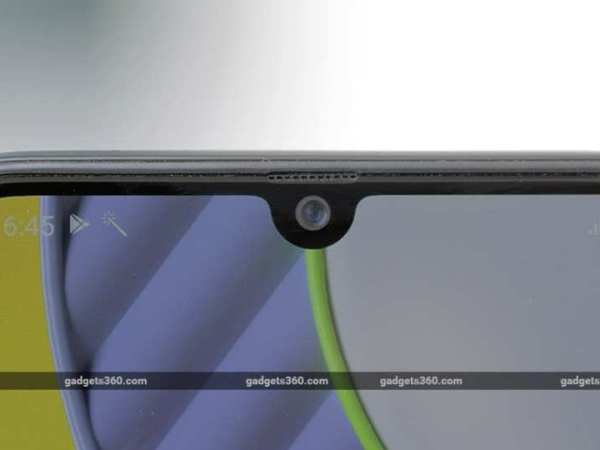
Most people, including me, prefer to have a punch-hole display instead of a notch. A punch-hole display is less invasive as it is just a small hole in the screen. And that is what Samsung Galaxy A71 offers, so it is my favorite one if we talk about aesthetics. Even Redmi K30 has a punch-hole design, but it has two holes because it sports a dual front camera. Despite its waterdrop notch, someone may prefer the Oppo K5 due to its cleaner rear design since not everyone likes big camera modules such as the one found on the Samsung Galaxy A71 and Redmi K30. What is your preference?

Display

Here it is a hard fight between Oppo K5 and Redmi K30. The former has a great AMOLED display with high brightness and very nice color accuracy, as well as an in-display fingerprint reader. The latter has an IPS panel and IPS panels are is not trending at the moment, but it has the most revolutionary technologies: it supports both HDR10 and a 120 Hz refresh rate making it the most affordable phone with the highest refresh rate ever seen on a phone. But its fingerprint reader is side-mounted. Samsung Galaxy A71 has a classic Super AMOLED panel, not better than Oppo K5 and Redmi K30.

Specs & Software

Both Oppo K5 and Redmi K30 are powered by the amazing Snapdragon 730G midrange chipset, while Samsung Galaxy A71 is fueled by the lower-end Snapdragon 730 which offers inferior graphics performance. Oppo K5 and Redmi K30 come with up to 8 GB of RAM and UFS 2.1 native storage. With exactly the same hardware department, the most important role will be played by software optimization. We still had no chance to test the Redmi K30 thoroughly, so we are waiting to see how much performing it will be. Note that it runs Android 10 out of the box, unlike Oppo K5.

Camera

The most impressive cameras are mounted on the Samsung Galaxy A71: all of these devices come with a 64 MP main sensor with an f/1.8 focal aperture, but Samsung Galaxy A71 has a better secondary sensor (ultrawide, dedicated macro camera and depth sensor). That is why it wins the camera comparison.

Battery

Samsung Galaxy A71 and Redmi K30 are equipped with a bigger 4500 mAh battery, so they will surely last more than Oppo K5. It remains to be seen which of them is the winner of this comparison. Samsung Galaxy A71 might be better due to a more efficient display, but we are just speculating for now.

Price

Redmi K30 launched in China with a €210/$233 starting price, Oppo K5 costs €255/$283 in its base version, while Samsung still did not confirm the pricing of the Galaxy A71. With the actual information, Redmi K30 looks more promising due to its 120 Hz display, better chipset than Galaxy A71, a bigger battery than Oppo K5 and Android 10 out of the box. But Samsung Galaxy A71 has higher camera capabilities.

Read More: Redmi K30 vs Redmi K20: Find out the Difference

Samsung Galaxy A71 vs Xiaomi Redmi K30 vs Oppo K5: PROs and CONS

Xiaomi Redmi K30

PROs

  • Great performance
  • 120 Hz display
  • Punch-hole design
  • Big battery
  • Dual front camera
  • Android 10

CONS

  • Nothing particular

Samsung Galaxy A71

PROs

  • Amazing cameras
  • Big battery
  • Punch-hole display
  • Micro SD dedicated slot

CONS

  • Lower-end chipset

Oppo K5

PROs

  • Great display
  • Nice hardware
  • Micro SD dedicated slot
  • Faster charging

CONS

  • Smaller battery

Samsung Galaxy A71 with 6.7-inch FHD+ Infinity-O AMOLED display, Android 10, 64MP quad rear cameras launched in India for Rs. 29999

Samsung just launched the Galaxy A71 (SM-A715F) smartphone, the company’s latest smartphone in the ‘A series’ in India after it was announced back in December. It packs a 6.7-inch Infinity-O Super AMOLED infinity display with 20:9 aspect ratio, is powered by Snapdragon 730 SoC with 8GB RAM, features 64MP main + 12MP 123-degree ultra-wide + 5MP macro…

Go Top

https://pagead2.googlesyndication.com/pagead/js/adsbygoogle.js

Realme Buds Air design, gesture controls and seamless connection revealed in teaser video

Realme Buds Air has a design similar to that of Apple AirPods but is expected to be a lot cheaper.

Realme is set to launch Realme X2 with Snapdragon 730G and Realme Buds Air in India on December 17. The Realme Buds Air will debut as the first true wireless earbuds from the company. As a result, the TWS earbuds have hogged all the limelight away from its gaming-centric smartphone. Now, with the launch just a couple of days away, Realme is trying to make the most out of this attention. Realme has been revealing key information about its true wireless earbuds for the past few days. Now, the company has gone a step ahead and showcased key features in a video.

In order to build hype for its first true wireless earbuds, Realme has shared a teaser video on Twitter. The video aims to showcase the true wireless earbuds from all possible angles. In the video, one case see design of Realme’s upcoming TWS earbuds including look, shape and colors. It is clear that Realme Buds Air will come packed in a compact yellow box. The true wireless earbuds will come in yellow, black or white color option. There is no denial that these true wireless earbuds look a lot like the first generation Apple AirPods.

In the video, Realme fans who got to try these earbuds claim that they are compact and lightweight too. Ahead of the launch, Realme has also confirmed that these true wireless earbuds will support wireless charging. A leak yesterday citing sources claimed that Realme Buds Air will come with a battery life of 17 hours. The number is the total battery life offered by the earbuds as well as its charging case. We already know that these buds come with 12mm dynamic bass boost drivers and support AAC.

Go Top

Something went wrong. Please refresh the page and/or try again.
https://pagead2.googlesyndication.com/pagead/js/adsbygoogle.js
Design a site like this with WordPress.com
Get started