Samsung has announced Galaxy S20 Ultra along with the Galaxy S20 and S20+ smartphones at its Galaxy Unpacked event in San Francisco
It packs a 6.97-inch Quad HD+ Dynamic AMOLED 2X Infinity-O Displays with 120Hz refresh rate, powered by Snapdragon 865 / Exynos 990 SoC depending on the market and with Qualcomm Snapdragon X55 / Exynos Modem 5123 modem and up to whopping 16GB RAM. It features in-display Ultrasonic Fingerprint Scanner, run Android 10 with OneUI 2.0 and come with Samsung services like Bixby, Samsung Health and Samsung Pay.
It has a primary 108-megapixel primary sensor with OIS, 12-megapixel Ultra Wide Lens with a 120-degree field of view, 48-megapixel Telephoto lens with OIS with Super Resolution Zoom up to 100X and a depth sensor. The phone features a 40-megapixel front-facing camera. It also supports 8K video shooting. “Even the bumpiest videos look like they were shot using an action cam, thanks to Super Steady and its anti-rolling stabilization and AI motion analysis, said the company.
It has IP68 water and dust resistance and a 5000mAh battery with support for wired 45W fast charging and Fast Wireless Charging as well as new Wireless PowerShare feature to charge Qi compatible devices on the back of the phones.
Octa-Core Qualcomm Snapdragon 865 7nm Mobile Platform with Adreno 650 GPU / Octa-Core Samsung Exynos 990 7nm EUV processor with ARM Mali-G77MP11 GPU
12GB LPDDR5 RAM with 128GB storage (UFS 3.0) / 16GB LPDDR5 RAM with 512GB storage (UFS 3.0), expandable memory up to 1TB with microSD
Android 10 with OneUI 2.0
Single / Hybrid Dual SIM (nano + nano / microSD)
108MP rear camera with LED Flash, f/1.8 aperture, PDAF, OIS, 48MP Telephoto lens with 24° FoV, f/3.5 aperture, PDAF, OIS, Hybrid Optic Zoom 10X, Super Resolution Zoom up to 100X, 12MP 120° Ultra Wide sensor with f/2.2 aperture, Depth Vision camera
40MP front-facing camera with 80° wide-angle lens, f/2.2 aperture
Xiaomi’s Redmi brand announced its entry into the power bank category with two new power banks back in July last year
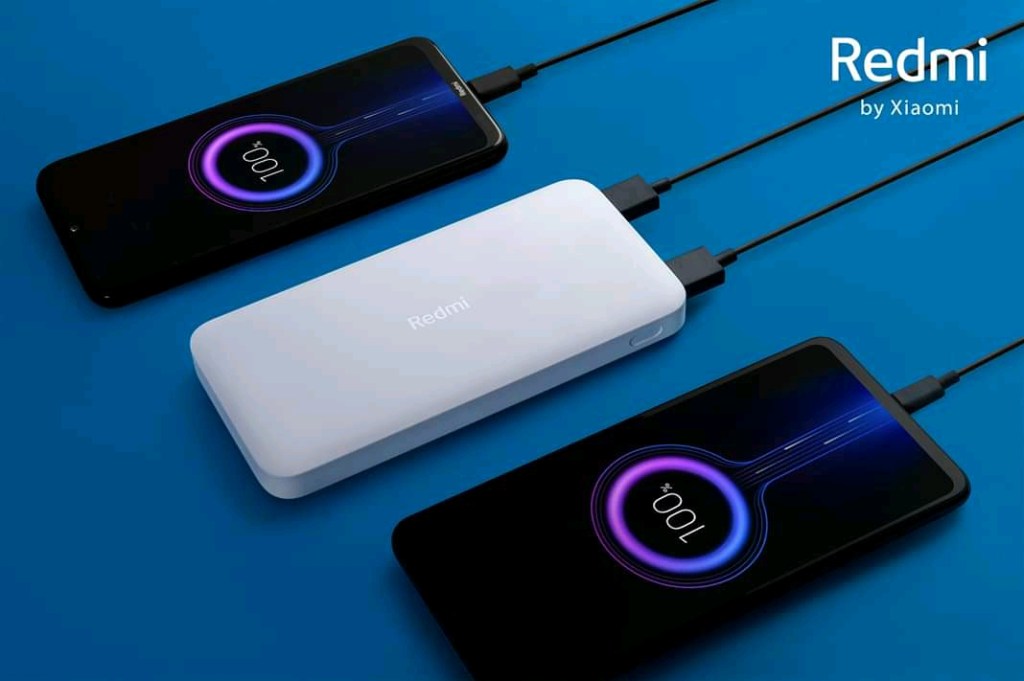
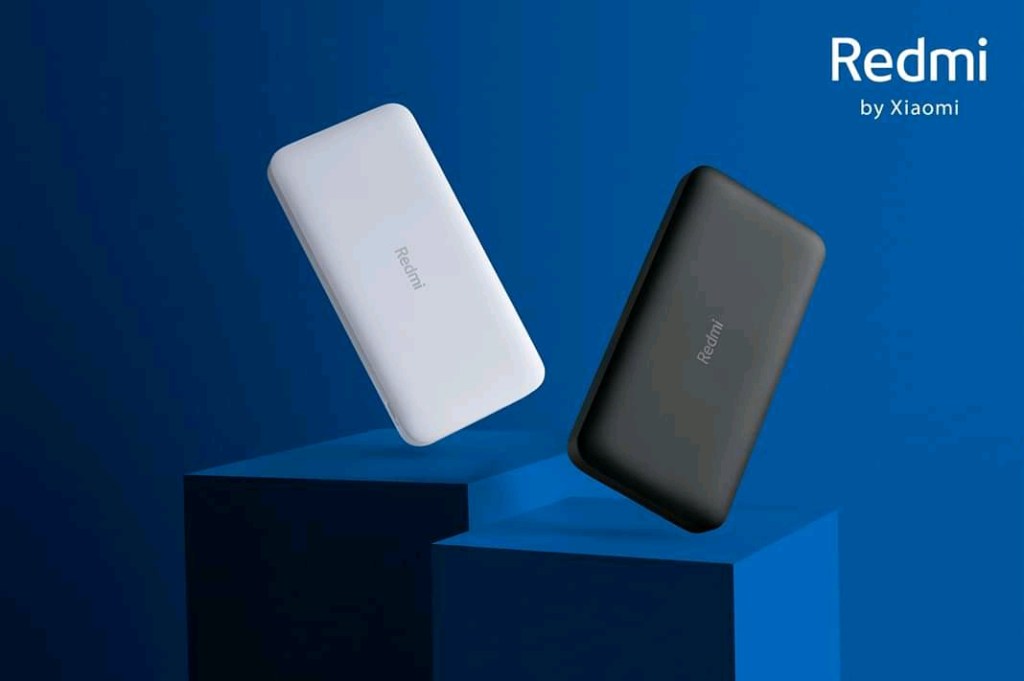
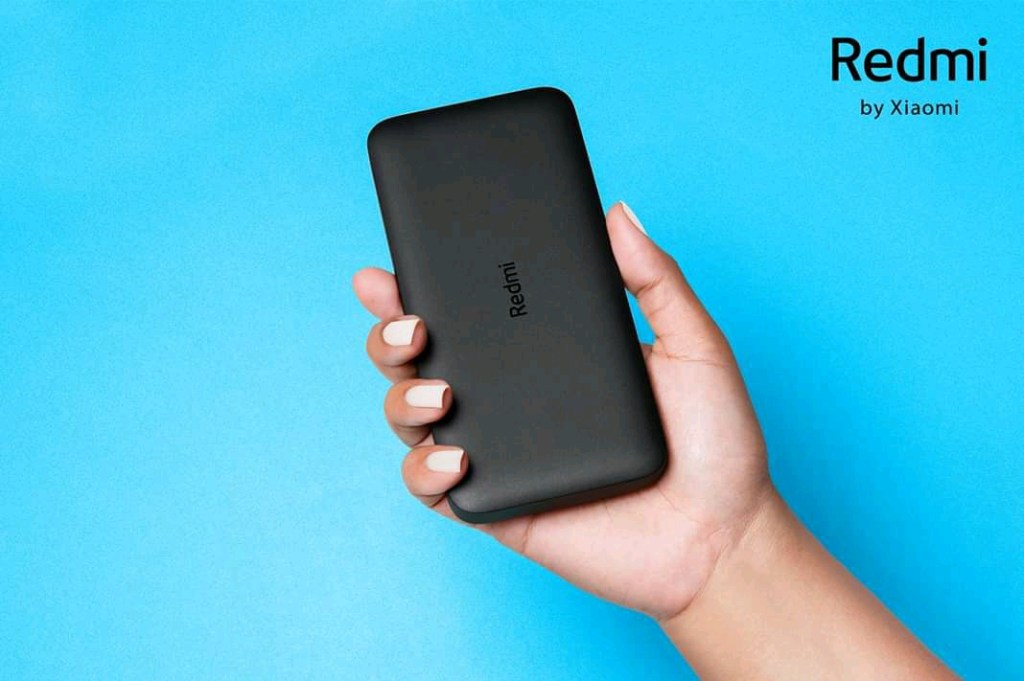
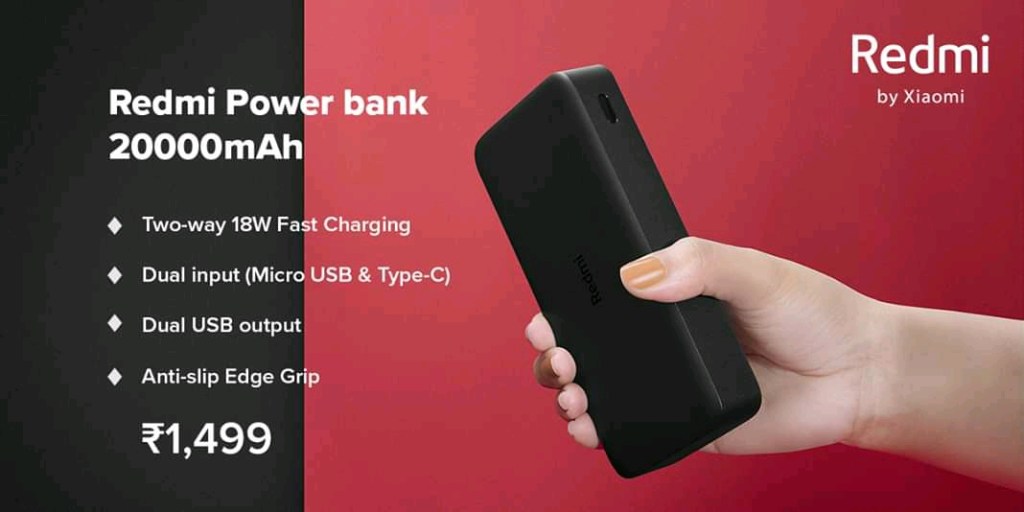
Now the company has launched the 10,000mAh and 20,000mAh power banks in India. Redmi branded power banks have been launched alongside the Redmi 8A Dual smartphone.
It comes with USB Type-C and micro USB inputs, as well as two USB Type-A output. Both these feature a polycarbonate body, feature a button on the side to view the charge left using LED indicators. It also lets you enable low-power mode that can be activated by pressing the button twice, to charge devices like Mi Band and Mi Bluetooth headset.
Protection from over current, over-power, short circuit and more
Dimensions: 150.5×73.6×15.1mm
Redmi 20000mAh Power Bank specifications
20000mAh, 3.7V, 74Wh battery
2 x USB Type-A Output — 5.1V-2.4A / 5.1V-3.6A / 9V-2A / 12V-1.5A
USB Type-C / micro USB Input — 5V-2.1A / 9V-2.1A / 12V-1.5A
Protection from over current, over-power, short circuit and more
Dimensions: 154×73.6×27.3mm
Pricing and Availability
Redmi 10000mAh power bank is priced at Rs. 799 and the 20000mAh 18w two-way fast chargind power bank is priced at Rs. 1499. Both power banks will be available starting 18th February, 2020 from Mi.com and Mi Home stores.
Redmi fans are getting an all new version of the Redmi 8A. The company has revealed the new Redmi 8A Dual that comes with a new camera setup and a few tweaks that make it an impressive contender in the budget segment
The primary change in this new phone, over the Redmi 8A is the dual camera
The phone features one 13MP lens along with a 2MP depth sensor
The primary change in this new phone, over the Redmi 8A is the dual camera. The phone features one 13MP lens along with a 2MP depth sensor. While the second lens can’t work independently, it will support better portrait images.
The front facing camera comes with an 8MP lens that also supports an AI mode that delivers portrait images. The camera is integrated with Google Lens as well.
The smartphone, like the Wave Grip texture on the Redmi 8A, will get a new Xgrip Aura texture that provides a better grip, according to the company. The Redmi 8A dual will be available in three colours, Sea Blue, Sky White and Midnight Gray. The screen of the device is covered with Corning Gorilla Glass 5.
Performance
Redmi fans are getting an all new version of the Redmi 8A. The company has revealed the new Redmi 8A Dual that comes with a new camera setup and a few tweaks that make it an impressive contender in the budget segment.
Here’s all that you need to know about the device:
Camera
The primary change in this new phone, over the Redmi 8A is the dual camera. The phone features one 13MP lens along with a 2MP depth sensor. While the second lens can’t work independently, it will support better portrait images.
The front facing camera comes with an 8MP lens that also supports an AI mode that delivers portrait images. The camera is integrated with Google Lens as well.
Design
The smartphone, like the Wave Grip texture on the Redmi 8A, will get a new Xgrip Aura texture that provides a better grip, according to the company. The Redmi 8A dual will be available in three colours, Sea Blue, Sky White and Midnight Gray. The screen of the device is covered with Corning Gorilla Glass 5.
Performance
The device is powered by Snapdragon 439 chipset that is clocked at 2GHz and is built on 12nm architecture. The device also gets an additional boost in the form of a dedicated MicroSD card slot that can support cards of upto 512GB.
The USP of the device, the battery is a 5000mAh unit that also supports reverse charging. The company claims a battery life of two days. The phone supports 18W fast charging through a USB Type C port and also, gets a dedicated 3.5mm headphone jack.
The Redmi 8A Dual also supports both VoLTE and VoWiFi for better internet speeds. The phone also gets splash resistance.
Availability and Price
The smartphone is available in two variants. The cheaper variant is priced at ₹6,499 and comes with 2GB RAM and 32GB storage. The more expensive variant comes with 3GB RAM and 32GB storage. The 3GB RAM variant is priced at ₹6,999. The device will be available on Amazon India and Mi Online store from 18 February at 12pm.
Flipkart’s Realme Days sales start from February 10th and will run until February 13th, 2020. During the sales, you will find innumerable offers on some Realme smartphones.
To give you a proper briefing regarding sales on these devices, we have provided a list below.
Offers on these phones include 10% instant discount on credit cards and EMI transactions, 5% unlimited cashback on Flipkart Axis bank credit card, extra 5% off with Axis bank buzz credit card, extra discounts, bigger exchange offers, and more.
Realme 5 Pro
The handset is available for sales in three storage variants. And the price goes Rs. 11,999 for the 4GB RAM and 64GB ROM, Rs. 12,999 for 6GB RAM/64GB ROM, and Rs. 14,999 for 8GB RAM/128GB ROM.
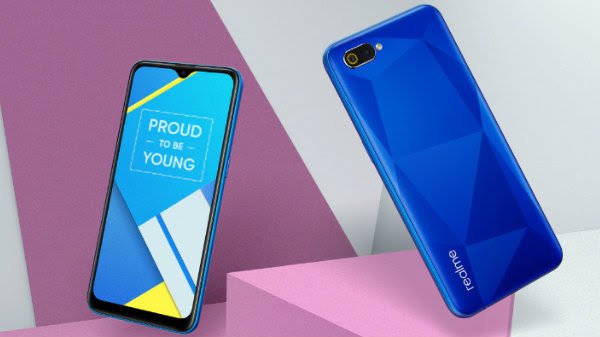
Realme C2
It is shipped with a 4,000mAh battery. And, it is available for purchase from Rs. 5,999 for 2GB RAM and 32GB ROM options. While its top-end variant of 3GB RAM and 32GB ROM is priced at Rs. 6,999.
Realme X2 Pro
The handset is laced up with plenty of amazing features. It carries the fastest ever 50W VOOC Super VOOC Flash Charge technology, refueling the phone in fewer minutes. Its 6GB RAM and 64GB ROM option is available from Rs. 27,999.
Realme 5
Its highlight is the use of quad rear cameras. The price of the handset starts from Rs. 8,499 and 10,499 for 3GB RAM/32GB ROM and 4GB RAM/64GB ROM options, respectively.
Realme 3
The smartphone sports a 16MP pop-up camera. You can get the device from Rs. 7,499. Even other features of the phone are too enticing to go through at such a given price tag.
The handset’s prime feature is the incorporation of a 64MP quad rear camera. It is available for sales from Rs. 15,999/Rs. 16,999/Rs. 18,999 for 4GB RAM + 64GB ROM/6GB RAM + 64GB ROM/8GB RAM + 128GB ROM, respectively.
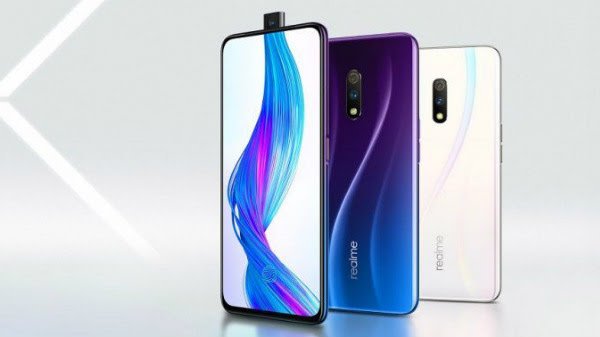
Realme X
It flaunts a 16MP pop-up camera with which you can capture images of a wider group with great accuracy. Under the sales, you can get the phone from Rs. 14,999 for its base variant of 4GB RAM and 128GB ROM.
Realme 3 Pro
The mobile phone is equipped with a massive 4,245 mAh battery capacity. It is available for sales from Rs. 9,999 for the given variant. It was earlier priced at Rs. 15,999.
Realme 5S
The handset’s prime selling feature is the use of 48MP quad rear cameras. It comes at Rs. 9,999 for the 4GB RAM and 64GB ROM option, and Rs. 10,999 for 4GB RAM and 128GB ROM variant.
The three subsequent price figures for the handset are available at Rs. 7,999 for 4GB RAM/64GB ROM, Rs. 9,999 for 6GB RAM/64GB ROM, and 11,999 for 8GB RAM/128GB ROM options.
Realme 3i
The device comes with the support of a 4,230mAh battery. It is available for purchase from Rs. 6,999 for 3GB and 32GB ROM and Rs. 7,999 for 4GB RAM and 64GB ROM variants.
Realme X2
It features a 64MP quad rear camera setup, which is a highlighting feature of the phone. Its base variant of 4GB RAM and 64GB ROM is available from Rs. 16,999. The phone’s other two variants are also available for sales that you can see at Flipkart’s website.
South Korean TV broadcaster MBC recently aired a Korean language documentary that centers on a family’s loss of their young daughter, seven-year-old Nayeon.
Using the power of photogrammetry, motion capture, and virtual reality, the team recreated Nayeon for one last goodbye with the family’s mother, Ji-sung.
Like a typical seven-year-old, Nayeon was a spry, playful kid. Then she suddenly fell ill with hemophagocytic lymphohistiocytosis (HLH), a life-threatening disease of severe hyper-inflammation caused by uncontrolled growth of the body’s white blood cells. To Ji-sung, it all first appeared to be a common cold due to Nayeon’s swelling and fever. Her daughter passed away one month later in the hospital.
Called ‘Meeting You’, the documentary goes on to recreate a series of warm memories from Nayeon’s life. Donning an HTC Vive Pro, Vive trackers, and wireless adapter, Ji-sung revisits a virtual version of a park the family would frequent. Nayeon giggles, and cautiously asks her mom if she’s afraid. She wonders why it’s cold outside. Touching hands, they’re both lifted up to a heavenly realm.
The mother and the virtual simulacrum experience more happy memories together. It’s Nayeon’s birthday, and honey rice sweets, a birthday cake, and her favorite seaweed soup are all there. Ji-sung puts her down to bed for a nap, and plays with her hair as Nayeon precociously bobbles around.
For non-Korean speakers, using YouTube’s auto-generated translation is basically useless for the nine-minute video. Thankfully, the baked-in Korean subtitles were simple to translate via Google’s camera-based app and were remarkably clear too. Translation or not, the power of Ji-sung’s emotions are intensely human, no matter the language.
Putting aside the obvious exploitation factor of reuniting a mother with her deceased child for television viewers—Nayeon even pulls at the heartstrings by telling her father to stop smoking, and her siblings not to fight so much—recreating a deceased loved one in such high fidelity raises some ethical concerns, and they’re ones we simply don’t have clear answers to yet. Whether conjuring virtual doppelgangers of lost loved ones may one day be considered an unnecessary re-traumatization, or a valid coping mechanism to help overcome tragedy, we just can’t say for now.
Personally, all of it was unsettling to me at first glance, and maybe well outside of what I’d consider healthy. Still, it does seem to have helped Ji-sung to some extent, who carries with her a tattoo of her daughter’s birthday as an indelible reminder. At the family home there are pictures of Nayeon all over the place. Every month the family visits Nayeon’s burial place to leave her favorite toys in remembrance. It’s clear the family isn’t running away from the reality, or trying to forget what was very likely one of the worst things to happen to them either, but in the same breath they aren’t holding too tightly onto the past. Before Ji-sung left for the VR experience, she burned letters and offerings to her child, including a shirt that was too warm for her daughter to wear at the hospital. Integrating those last, vivid virtual experiences of Nayeon into her memory serves as a singular, bittersweet goodbye, one you’d never get in a hospital room. Death oftentimes proves to be frightfully uncinematic like that.
After translating each subtitle, my first cynical instincts to label this a blatantly insensitive puppeteering of a dead child are mostly gone. It’s not perfect, but it makes sense to me on some level.
Creating a Virtual Child
Developed by South Korean startup Vive Studios (no relation to HTC’s Vive Studios), the virtual Nayeon was created over the course of eight months using a variety of techniques. Motion capture not only recorded an adult actor’s movements, but also facial expressions, some of which were acted out based on video and photos of the real-world Nayeon.
High resolution photographs were taken in a 3D capture technique called photogrammetry. Nayeon’s little sister, a spitting image of her older sibling, was used as the basis of the character model.
Although not apparent in the video above, the studio also added a degree of liveliness to the character by integrating voice recognition and a basic AI, which would let the pair have a basic conversation. Responses were created based off of family interviews and videos.
In the end, revitalizing the image of a deceased person isn’t exactly new, and a bevy of examples come to mind: Fred Astaire dancing with a Dirt Devil, Tupac holograms, and more recently the litany of deepfakes that make you question whether famous actors are still alive or not. And much like those early CG humans and carefully contorted deepfake masks, Vive Studios’ tailor-made VR experience is no doubt impressive for a short while too, but at this point it’s really no more than a carefully orchestrated funerary rite. It’s that point in the future though when AI is capable of automatically conjuring a person based off a compendium of video and photo that we’re waiting to see. Because whether you like it or not, virtual humans are coming, and I think we’ve just taken one step closer.
The OnePlus 8 and 8 Pro are definitely on the horizon and in fact, approaching pretty fast. As per the latest industry insider info, we can expect to see the pair some tine in late March or in April.
A fresh new leak claims to have a render of the upcoming OnePlus 8 Pro, alongside a few specs points. Some of these pretty obvious and easy to deduce, while others rather interesting.
Looking at the render first, since it ended up offering that last little convincing we needed to at least give this otherwise rather suspicious leak the benefit of the doubt. The back of the OnePlus 8 Pro, as pictured, actually matches an earlier set of renders from a different source. Only, this time, the color is different. Granted, not necessarily the most believable, but whoever created the render still did their homework one way or another. The 3D ToF and supporting camera sensors are in a little strip to the left of the main triple camera. At least on the surface, things check out.
Moving on to the specs sheet then, we have the fairly obvious Snapdragon 865 and Android 10 bits. The memory options are neither here nor there, honestly. 128GB or 256GB with 8GB of RAM is a perfectly valid guess. Perhaps 12GB is a possibility as well. OnePlus could even jump on the increasingly popular train of showing-off with a 16GB tier. That sounds like a perfect match for a new McLaren edition. Our point being that memory is relatively easy to bump up or down even at a very late development stage
Things do start to get interesting in the display department. 6.5 inches sounds believable, but previous leaks have also suggested 6.65 inches on the Pro and 6.5 inches for the regular OnePlus 8. Then again, that particular source is rather old and also mentions a 90Hz display, like on the current OnePlus generation. Since then, we have had a multitude of leaks and even official teasers suggesting that the OnePlus 8 Pro will feature 120Hz refresh rate display. Better still, one that can achieve the high refresh rate at a QHD resolution. The new source seems to get that part right, even if the information is already out there and pretty-much confirmed at this point.
And last, but not least, we have the 4,500 mAh battery – which sounds perfectly believable, alongside 50W charging. Presumably Warp Charge 50, if current branding is used. Honestly, that part is absolutely plausible as well and quite exciting. We first saw a 50W charging solution from OnePlus’ parent BBK Electronics group all the way back in 2018 on the Oppo Find X Lamborghini. And, more recently, the Realme X2 Pro actually ships the feature to users. We are definitely keeping our fingers crossed, even if we still choose to take this particular leak with a pinch of salt.
After more than a year of launching its flagship smartphone Poco F1, Poco India Tuesday unveiled its much-hyped Poco X2 to take on its closest rival Realme X2.
The Poco X2 was launched on 4 February and aims to take on its closest rival Realme X2
We bring you a thorough comparison between the Realme X2 and Poco X2 smartphones in terms of price, design, camera, other specs
The Realme X2 was unveiled just a couple of months back, precisely in December, 2019. Launched at a starting price of ₹16,999, the smartphone became a much preferred handset sold below ₹20k category. But, with the launch of Poco X2, there seems to be a foreshadow on how these two brands would compete to gain more popularity among each other while also keeping in mind other market competitors such as Xiaomi, Oppo, Vivo etc.
We bring you a thorough comparison between the Realme X2 and Poco X2 smartphones in terms of price, design, camera, software, and other specifications.
Poco X2 vs Realme X2: Price and availability in India
The first point of difference is the price. As mentioned, the Poco X2, which was launched in India on 4 February, comes at a starting point of ₹15,999 for the 6GB RAM and 64GB internal storage. The Realme X2, on the other hand, costs ₹16,999 for the same variant.
The other storage options available for Poco X2 are 6GB RAM with 128GB storage, priced at ₹16,999 and the highest variant carrying 8GB RAM with 256GB internal storage comes with a price tag of ₹19,999.
In comparison to that, the Realme X2 options include more or less the same variants – 6GB RAM with 128GB internal storage priced at ₹ ₹18,999 and the 8GB RAM and 128GB internal storage, which costs ₹19,999.
If the price base is seen, there is hardly much difference. A tweak of a thousand rupees discount is practically leveraging the aggressive competition between the two. But if you are leaning towards a cheaper phone, simply based on the price, Poco X2 does offer you that.
The Realme X2 is currently available on realme.com as well as on Flipkart unlike the Poco X2, which will be available from 11 February on Flipkart. This gives you more time to decide which phone you would actually prefer. Keep reading to compare the both smartphones more precisely.
When it comes to the design, more than what the phones have to offer, the preferences remain with individual buyers. However, here are some insights that can help you. The Poco X2’s design looks similar to the recently launched Redmi K30 in China. It even has the similar punch hole design for the two selfie cameras on the front and the four camera set up on the back in the form of a circular ring. Perhaps, the only distinguishing factor between the two devices would be the company logo on the shiny back panel. Not to forget, Poco was earlier a sub-brand of Xiaomi before it became an independent legal entity in India.
For Relame X2, the smartphone carries the same design language as XT and it would be difficult to distinguish between the two when kept closely. The build is exceptional and the rear has same hyperbolic design we saw in the XT, which makes it shine when light falls.
This is probably the most important difference between the two Chinese smartphones. The Realme X2 gets a 6.4-inch Full HD+ AMOLED display with an in-display fingerprint scanner, while the Poco X2 houses a bigger display with 120Hz refresh rate display. The higher the refresh rate, the smoother will be the gaming experience.
Talking about the performance, both Poco X2 and Realme X house Snapdragon 730G, which is tweaked specifically for gamers. According to Qualcomm, the new chip gets a 15% graphics boost in comparison to the Snapdragon 730. So, expect similar performance rate on both the smartphones.
Camera specifications are not surprisingly different for both the phones. The Poco X2 features a four camera set-up on the back to cater to different use cases. There is a 64MP camera powered by Sony IMX 686 sensor with an additional 2MP depth sensor, followed by an 8MP ultra wide angle camera with and a 2MP macro camera for taking close up shots. The 64MP camera is not enabled by default and the user has to switch to it in the camera app to use it. The front camera features a 20MP primary and 2MP sensors.
The Realme X2 camera has a similar, in fact, same set-up at the rear side of the phone. It also houses four rear cameras including 64-megapixel primary sensor, 8-megapixel ultra-wide-angle sensor, 2-megapixel macro sensor, and 2-megapixel portrait sensor. The rear cameras are also AI-powered for better photography. However, in terms of selfie cameras, the Realme X2 comes with 32MP camera sensor and with an f/2.0 aperture. Poco X2, on the other hand, carries 20MP primary sesor with an additional 2MP sensor, which may result in better when opting for close photography, but with a quite minute difference.
There is significant difference in the two. The Poco X2 features a 4500mAh removable battery that comes with 27W fast charging capacity, whereas the Realme X2 is powered by a 4,000mAh battery with 30W Vooc Flash Charge 4.0.
Although the battery capacity of Realme X2 is lesser than Poco X2, there is an added advantage of extreme fast charging. The VooC Flash Charge 4.0 can charge to 100% in just 75 minutes, the company claims, and that is a plus point for those who prefer fast charging to heavier battery capacity.
Considering all the specifications listed above, it is quite clear that Poco X2 and Realme X2 are more or less similar to each other with a few tweaks on the specifications and looks.
The main point of contention, therefore, is the price of the two. The Poco X2 costs ₹1,000 less for the base variant in terms of Realme X2’s pricing.
Apart from that, the Poco X2 has a faster refresh rate with 120Hz display. It is bigger in size with a bigger battery and slightly smoother performance at a lower price than Realme X2.
However, the Realme X2 promises a much faster charging speed and if you are not too keen to buy the bigger phones available, you can go for this phone. Also, the Realme X2 is better in design and has a great AMOLED display.
Xiaomi today announced that it will introduce the Mi 10 series of flagship phones at an online-only event in China on February 13th.
The CEO said that few weeks back it planned to make it as a big event with 3000 people, but it has decided against it due to ongoing health risk in the country.
Xiaomi already confirmed Snapdragon 865 Mobile platform and Samsung’s 108MP sensor for the phone and also said that it will feature quad rear cameras. The company recently confirmed up to 12GB LPDDR5 RAM from Micron Technology. Today it has confirmed UFS 3.0 for the phone. It will come with Wi-Fi 6 8×8 MU-MIMO support, making it the first phone with the feature.
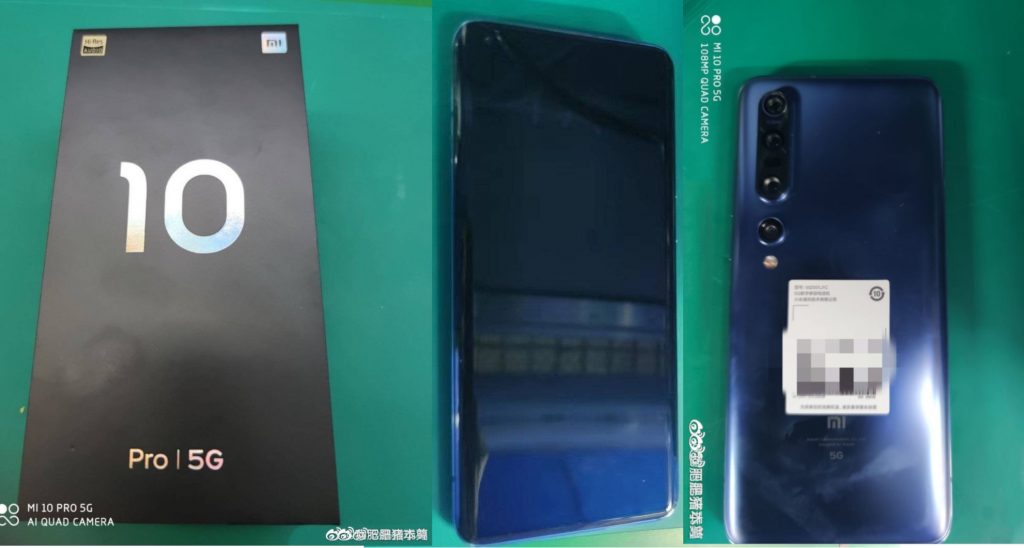
Live images of the Mi 10 Pro that surfaced last month revealed punch-hole AMOLED screen with 120Hz refresh rate, in-display fingerprint scanner and 3D curved
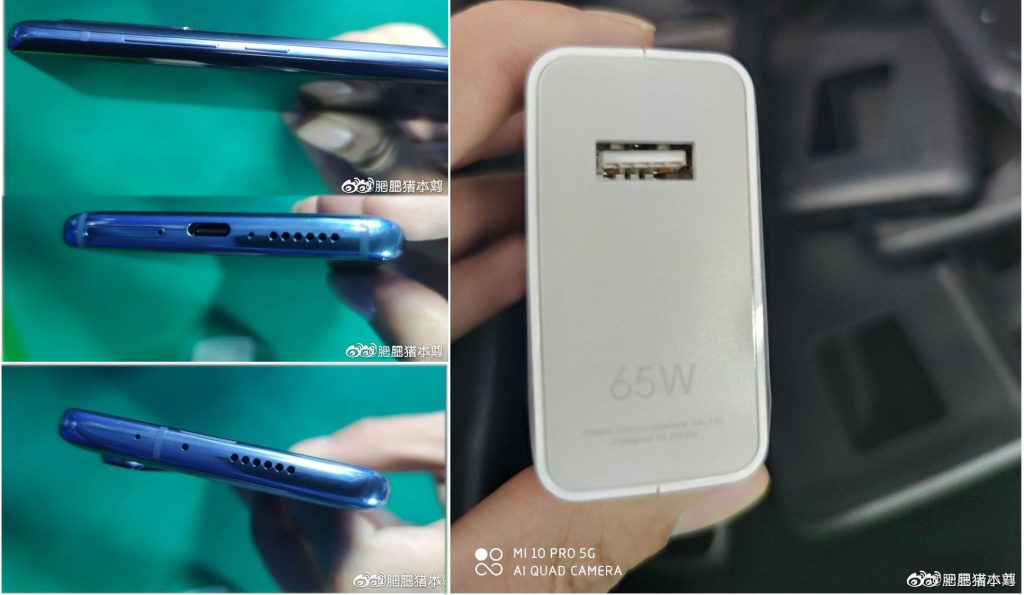
It is said to feature dual speakers, one on the top and the other on the bottom, Hi-Res audio certification with USB Type-C audio. The phone is said to come with 65W charger, faster than 40W wired fast charging in the Mi Mix Alpha, and it should come with Mi Charge Turbo 30W wireless fast charging support as well.
The upcoming Xiaomi smartphone will have a 5,000 mAh battery and a dual rear camera setup.
While other smartphone manufacturers like Realme, Oppo, Samsung have already launched their first smartphones of the year, it’s now Xiaomi’s turn.
Xiaomi is speculated to possibly launch the successor of their Redmi 8 or Redmi 8A very soon. Thought we’re yet to find out if that smartphone is the Redmi 9 or the Redmi 9A, Xiaomi has confirmed one detail: that its first Redmi phone of 2020 will be launched in a matter of days.
Per a tweet by Xiaomi’s India head Manu Jain, the company will launch its first Redmi smartphone of the year on 11 February in India at Amazon. The tweet further reveals that “not 1 but 2 amazing surprises are coming”, which makes us wonder: is Xiaomi prepping to launch a Redmi and another product entirely? A power bank, perhaps?
Brace yourselves for the first #Redmi launch of 2020, launching on 11th Feb, 12 noon! #MorePowerToRedmi
Not 1️⃣ but 2️⃣ amazing surprises are coming your way!
The Redmi 9 is expected to be powered by MediaTek Helio G70 chipset that we saw in the newly-launched Realme C3, as per a previous report. Redmi 9 might offer 4 GB of RAM and 64 GB of internal storage, just like the Redmi 8.
However, the Redmi 9 is likely to come in more storage variants unlike Redmi 8 that has one sole storage variant. In terms of display, the smartphone might feature a 6.44-inch display with a waterdrop notch. It is also being expected that the phone might debut with MIUI 11 based on the latest Android 10.
Realme just launched the realme C3 ON flipkart, the company’s latest budget smartphone and the successor or last year’s realme C2 in India, as it had promised.
It packs a 6.52-inch HD+ Mini-drop notch display with 89.8% screen-to-body ratio, and is the first smartphone to be powered by the latest MediaTek Helio G70 12nm SoC with up to 4GB RAM, and is also the first realme phone to run Android 10 with realme UI on top.
It has 12-megapixel rear camera with f/1.8 aperture, AI scene recognition, 2-megapixel depth sensor for portrait shots and a huge 5000mAh battery with reverse charging, but it comes with micro USB port and 10w charging. The phone comes with dedicated dual SIM and microSD slots and features a sunrise design that offers a good grip and doesn’t attract fingerprint, but it doesn’t have a fingerprint scanner.
Realme C3 specifications
6.52-inch (1600 x 720 pixels) HD+ 20:9 mini-drop display with Corning Gorilla Glass 3+ protection
3GB LPDDR4x RAM with 32GB eMMC 5.1 storage / 4GB LPDDR4x RAM with 64GB eMMC 5.1 storage, expandable memory up to 256GB with microSD
Dual SIM (nano + nano + microSD)
realme UI based on Android 10
12MP rear camera with f/1.8 aperture, LED flash, PDAF, 1080p 30fps video recording, 2MP depth sensor with f/2.4 aperture
5MP front-facing camera
Dimensions: 164.4x75x8.95mm; Weight: 195g
3.5mm audio jack, FM Radio
Splash Resistant
Dual 4G VoLTE, WiFi 802.11 b/g/n, Bluetooth 5, GPS/ GLONASS/ Beidou, micro USB
5000mAh battery with 10W charging
The Realme C3 comes in Blazing Red and Frozen Blue colors, is priced at Rs. 6999 for the 3GB RAM with 32GB storage version and the 4GB RAM with 64GB storage version costs Rs. 7999. It will go on sale on Flipkart and realme.com starting from February 14th and will be available from offline stores from February 20th.
Jio Offer benefit worth INR 7550 on Flipkart and realme.com
Minimum Rs. 1000 off on exchange of any smartphone on Flipkart during first sale
Commenting on the launch, Madhav Sheth, Vice President, realme and Chief Executive Officer, realme India, said:
Continuing our dare to leap dictum, we are delighted to introduce India’s Entertainment Ka Superstar – realme C3 which is a combination of both power and style. Our entry level C series smartphones have received a phenomenal response from our loyal users as we have clocked in 10.2 million sales and we hope the realme C3 will continue our streak and make this series a winner. From a market share of 3% in 2018 to 10% in 2019, we have grown a massive 255% over last year and have made huge strides in a short span connecting more & more consumers to the beauty of technology. The growth of realme was driven by an aggressive go-to-market strategy that involved launching several industry-first features with a strong design language.




































![OnePlus expected to unveil a new concept device on March 3 [Updated]](https://geekspot.tech.blog/wp-content/uploads/2020/03/3abfb-pzd11ryn.jpeg?w=800&h=600&crop=1)




















![Realme band with AMOLED screen launching in India on March 5 [Updated: New Colors, Cricket Mode, IP68 Rating]](https://geekspot.tech.blog/wp-content/uploads/2020/03/1bcab-realme-band-1024x629-1.jpg?w=800&h=600&crop=1)













 GeekSpot